
Last updated October 17, 2026
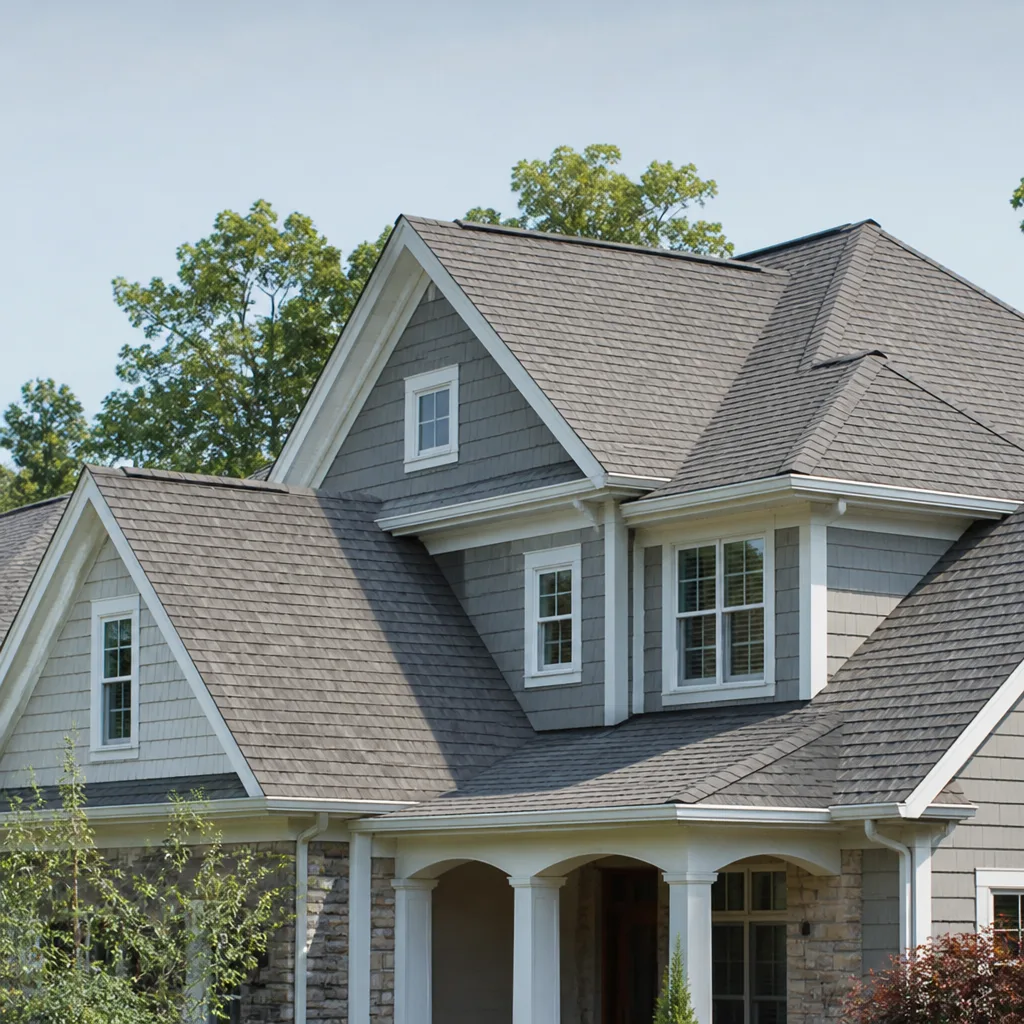 Architectural shingles
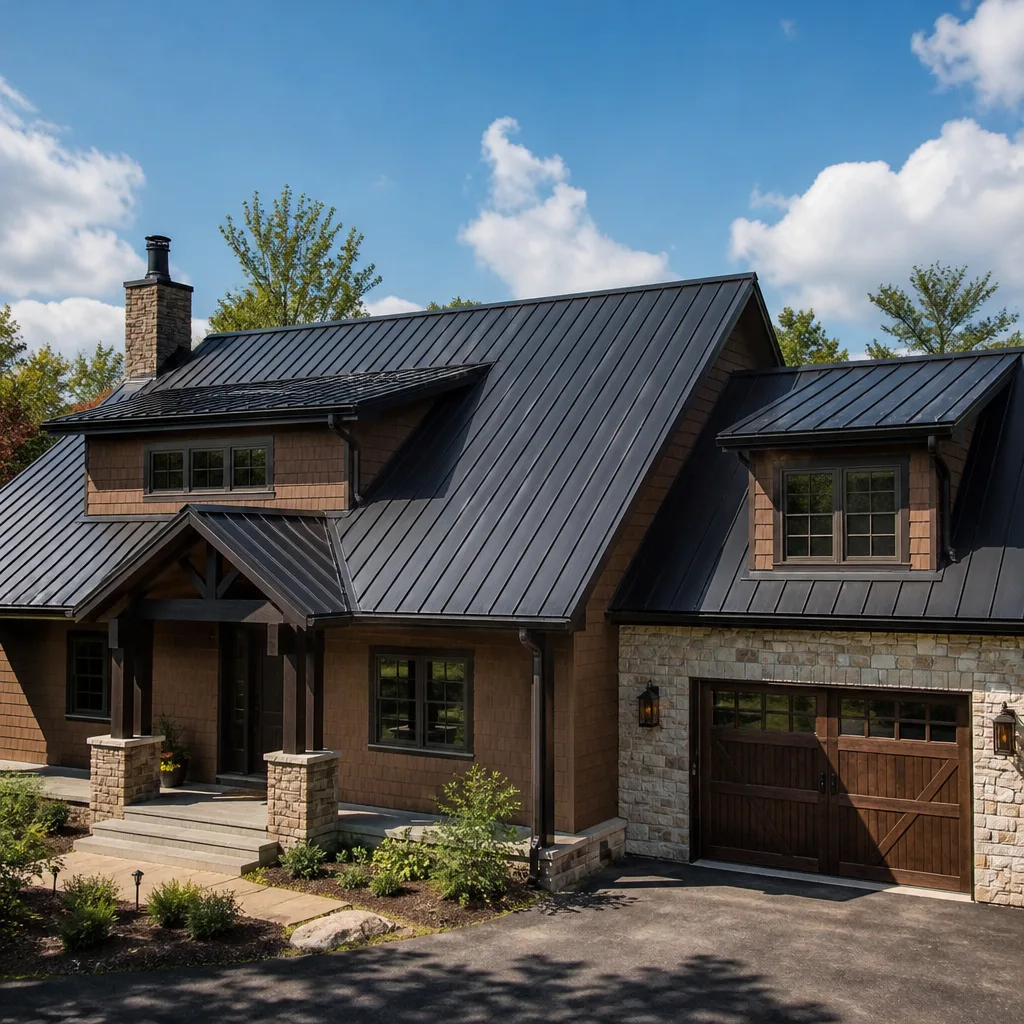 Metal roofing
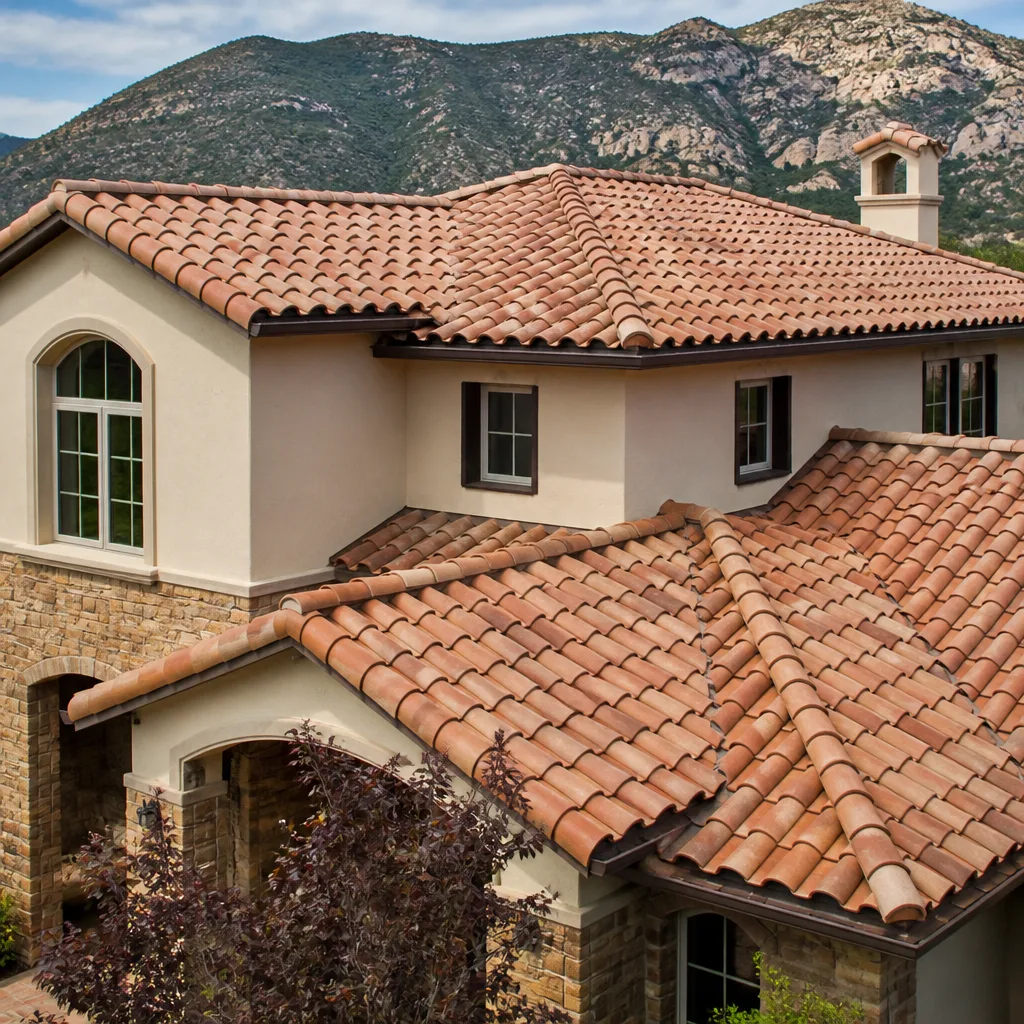 Tile roofing
 GAF
GAF Owens Corning
 Flat & low-slope
Free roof inspection with deck photos before we talk money - GAF and Owens Corning certified installation
Roof Repair Maintenance Checklist for Fort Worth Homeowners
The most expensive repair call we get at Crestview Roofing isn’t after a big hailstorm. It’s in August, when a slow leak that started back in March has been soaking through the roof decking for five months without anyone noticing. A $200 inspection in April would have stopped a $4,000 Roof Repair services call. Most maintenance checklists you’ll find online are generic spring-and-fall reminders that completely ignore how Fort Worth weather actually works. This guide is built around the specific damage sequence North Texas throws at your roof: ice storms, spring supercells, brutal UV summers, and dry autumn winds. You’ll learn exactly when to look, what to look for, and when a small fix saves you from a full replacement.
Styles & brands we work with
Quick Answer
A Fort Worth roof maintenance checklist should follow four inspection windows tied to local weather: early spring (hail and ice damage), late spring (storm damage and shingle checks), late summer (heat and UV granule loss), and fall (flashing, valleys, and pre-winter sealing). Homeowners should check shingle granule loss, flashing seals, attic ventilation, and soffit rot at least twice a year, and document every inspection for insurance purposes.
Table of Contents
- Why Fort Worth Weather Creates Four Distinct Roof Damage Windows
- The Month-by-Month Fort Worth Roof Checklist
- The Three Granule-Loss Thresholds on Asphalt Shingles
- Soffit and Fascia Rot: The Fort Worth Humidity Pattern
- Why Attic Ventilation Matters More in Fort Worth
- The Printable Insurance Documentation Log
- Common Mistakes to Avoid
- When to Call a Professional
- Frequently Asked Questions
- The Bottom Line
Why Fort Worth Weather Creates Four Distinct Roof Damage Windows
Fort Worth sits in a climate transition zone. We get the tail end of Arctic cold fronts in winter, supercell thunderstorms in spring, 100-degree stretches in summer, and dry wind events in fall. Each season attacks a different part of your roof, and if you only inspect twice a year, you’ll miss damage that compounds silently.
Here’s the sequence we’ve observed across thousands of roof inspections in Fort Worth:
- Late winter (January-February): Ice and freezing rain add weight to shingles and seep into micro-cracks. When temperatures rise, water expands those cracks. Shingles that looked fine in December start cupping or cracking along their edges.
- Spring supercell season (March-May): Hail, high wind, and heavy rain hit in concentrated bursts. Wind lifts shingle tabs and breaks their seal. Hail bruises the mat beneath the granule layer. You won’t always see the damage from the ground.
- Brutal UV summer (June-September): Fort Worth averages 230+ sunny days a year, many of them over 95 degrees. Continuous UV exposure bakes shingles, accelerating granule loss and drying out adhesives. Roof surface temperatures can exceed 150 degrees on August afternoons.
- Dry autumn (October-November): Low humidity dries out sealants around flashing, vents, and valleys. Dried flashing sealant pulls away from the metal, creating hairline gaps that let wind-driven rain in during the first winter storm.
This sequence is why generic “inspect your roof in spring and fall” advice fails Fort Worth homeowners, as we explain in our Roofing Permits, Codes & Inspections in TX: What You Need to Know. By the time fall arrives, summer heat damage has been hidden under tree debris, and the spring storm damage has had six months to spread water into your decking. The fix is a calendar anchored to these actual weather windows, which we cover next.
The Month-by-Month Fort Worth Roof Checklist
January and February: Ice and Cold Weather
After each freeze-thaw cycle, walk the perimeter of your home and look up. Ice damming is rare in Fort Worth, but heavy frost followed by a rapid warm-up can cause shingle edges to lift. What you’re looking for: cracked shingle edges along the rake (the sloped edge of the roof), ceramic granules collecting in the gutter, and any water stains on interior ceilings near exterior walls.
- Check the attic on a warm afternoon for frost on the underside of the decking. Frost means moisture is trapped, which points to a ventilation problem.
- Clear leaves and twigs from gutters before the next freeze. Freezing debris expands and can pry gutters loose from the fascia.
- Inspect attic floor insulation for damp spots, especially under the peak.
March and April: Hail and Storm Response
This is the single most important inspection window for Fort Worth roofs. Hail season peaks between March and May, and hail damage is the most frequently missed insurance claim in our market. Hail strikes leave circular bruise marks on shingles that feel soft when pressed, and the granules they knock loose collect at gutter downspout outlets.
After any storm with dime-sized hail or larger, do this:
- Look for shingle edges that appear darker than surrounding shingles. That’s exposed asphalt where granules were knocked off.
- Check metal surfaces for dings: gutters, downspouts, roof vents, and the HVAC condenser fins.
- Take dated photos within 48 hours. Insurance adjusters in Texas accept storm damage claims more readily when they’re documented early.
- Check the east and west roof faces, the sides most exposed to prevailing storm winds.
May and June: Post-Storm and Early Heat
By late May, Fort Worth temperatures regularly hit 90, and the first serious heat stress begins. This is when we start seeing shingle adhesive failures from the spring wind flex. The shingle looks fine, but its bottom edge isn’t sealed to the shingle below it anymore. Eventually, wind gets under it and snaps it off.
In this window, check for:
- Shingle tabs that lift easily with a gentle nudge from a spoon handle (never use your bare fingers on a hot roof).
- Loose granules collecting in gutters after a heavy rain, a sign that heat is separating the protective layer.
- Soft spots when you press on the attic decking from inside during the heat of the day.
July and August: Peak Heat and UV Monitoring
By July, roof surface temperatures can exceed 150 degrees on dark shingle colors. This heat bakes the volatile oils out of asphalt shingles, making them brittle. Hail that produced no visible damage in April can show up as cracking shingles in August because the shingle lost its flexibility. If you have a south-facing roof, it ages faster than any other face. In Fort Worth, south-facing slopes can show granule loss and cracking two to three years earlier than north-facing slopes on the same house.
If you haven’t had an inspection since March, August is when we’d tell you to walk the property again. Look for cracked shingles along the south and west faces, especially near ridge lines where heat concentrates. A cracked shingle can let rainwater in, and once water reaches the decking, the repair cost jumps from a shingle replacement to decking replacement-see our Roofing Cost Breakdown: The Fort Worth Homeowner’s Reference for 2026 for typical numbers.
September and October: Flashing, Valleys, and Dry Sealant
Autumn in Fort Worth is dry, and dry sealant around roof penetrations (the pipes and vents sticking through your roof) is the second most common leak source we see. Late summer sun causes the sealant to shrink, crack, and pull away from metal flashing. When the first winter storm brings wind-driven rain, water sneaks through these micro-gaps.
Inspect these spots in September:
- Pipe boots around plumbing vents, which crack from UV exposure faster than any other roof component.
- Valleys (the V-shaped channels where two roof slopes meet), which channel more water than any other part of the roof.
- Chimney flashing, because the gap between masonry and metal is the leading cause of chimney leaks in Fort Worth homes.
- Skylight edges, where sealant fails first on the side that faces the afternoon sun.
November and December: Pre-Winter Sealing and Debris Removal
The last window before winter is about getting your Fort Worth roof ready for freeze cycles and early spring storms. Remove all leaf debris, especially from valleys, before the first freeze. Leaves trap moisture against shingles, and that moisture freezes and expands, prying shingles apart. Also, trim any tree branches hanging within four feet of the roof to reduce strike damage and debris accumulation during winter ice storms.
The Three Granule-Loss Thresholds on Asphalt Shingles
Asphalt shingles get their protection from ceramic granules embedded in the surface. Those granules block UV rays and add impact resistance. When they start washing off, every rainy day accelerates the process. But not all granule loss is equal. Here are the three thresholds we use in Fort Worth to decide whether to monitor, repair, or replace.
Threshold 1: Monitor it. You see scattered granules in the gutter after a heavy rain, enough to cover a paper plate but not much more. Shingle color looks uniform from the street. The roof is doing what roofs do: shedding the occasional loose granule. You’re fine to check again at the next seasonal inspection window. Keep the documentation.
Threshold 2: Schedule repair. You see a solid line of granules at the downspout, and some shingle edges look darker than the rest of the roof. Pressed softly, a few spots feel slicker than a new shingle, meaning the granule layer is thinning. This is not a replacement situation yet, but those exposed areas are aging far faster than the rest of the roof. A targeted roof repair in Fort Worth can replace the affected shingles before water gets to the decking.
Threshold 3: Get a replacement quote now. You can see bare asphalt patches from the ground, granules fill the downspout after every rain, and shingle edges look curled or cracked across multiple roof faces. At this point, the protective layer is gone, and the underlying asphalt is breaking down under UV light. Replacing a handful of shingles won’t stop the problem; the entire slope has reached the end of its useful life. If you’re seeing this condition, it’s time to price a roof installation in Fort Worth before the next hail season turns a maintenance issue into a water damage claim.
Manufacturers like GAF, CertainTeed, and Owens Corning design their shingles for a specific UV exposure lifespan, and Fort Worth’s heat accelerates that clock. We install all three, but we tell every homeowner the same thing: in this climate, a 30-year shingle often delivers 20 to 25 years of actual service on a south-facing slope.
Soffit and Fascia Rot: The Fort Worth Humidity Pattern
Fort Worth has a humidity pattern that surprises homeowners who expect a dry climate: long dry stretches punctuated by sudden humidity spikes, often following a thunderstorm or a Gulf moisture surge. This cycle is brutal on soffit and fascia boards. The wood absorbs moisture during humid weeks, then dries out rapidly when the dryline passes. Repeated expansion and contraction cracks the paint, exposing raw wood to the next rain. That’s when rot starts.
But Fort Worth rot follows a specific pattern. We find it most often on the east and north faces of houses, where morning dew and shade keep the wood damp longer. West-facing fascia boards rot less frequently, even though they take more sun, because they dry out before rot can establish. Soffits with insufficient ventilation trap humid air, causing rot from the inside out, which you won’t see until the paint blisters.
Inspect soffit and fascia twice a year:
- Check the underside of the soffit for soft, dark spots, especially near the gable ends and where the roofline meets a porch or carport.
- Look for peeling paint that isn’t caused by sun exposure. Sun peels paint evenly across a board; rot peels it in localized patches.
- Press gently on suspect spots with a screwdriver handle. Healthy wood resists; rot yields with a soft crunch.
- Inspect the fascia directly behind gutters for rust staining or water tracks that signal overflow or backsplash.
When soffit boards rot, they stop protecting the attic from wind-driven rain, and the fascia loses its grip on your gutters. Gutter failure follows fascia failure, and before long, water is spilling against the foundation. In Fort Worth’s clay-heavy soil, that’s a secondary problem: foundation movement. The roof fix is often a simple board replacement now versus a gutter and fascia rebuild later.
Why Attic Ventilation Matters More in Fort Worth
In most U.S. climates, attic ventilation is about moisture control. In Fort Worth, it’s also about heat. The heat index here regularly exceeds 105 degrees in summer, and your attic can hit 140 degrees if it’s under-ventilated. That heat cooks your shingles from below even as the sun cooks them from above. The result is a shingle that ages from both sides, and it’s the reason we see premature shingle failure in homes where insulation blocks the soffit vents.
A properly ventilated attic needs balanced air flow: intake at the soffits and exhaust at the ridge or through roof vents. The typical Fort Worth home needs one square foot of ventilation (split between intake and exhaust) for every 150 square feet of attic floor space, provided the vent area is balanced.
What to check:
- Make sure the soffit vents aren’t covered by insulation. In older Fort Worth homes, blown-in insulation often covers the vents because nobody thought about it when the attic was reinsulated.
- Verify the attic roof has working exhaust. On a hot day, place your hand near a ridge vent or roof vent from inside the attic. You should feel warm air moving outward.
- Check for mold or mildew on the underside of the decking, a sign that heat and humidity are trapped.
When ventilation fails, you’re not just shortening shingle life. You’re also making your air conditioner work harder, because a 140-degree attic radiates heat down through the ceiling insulation all afternoon. The shingle damage from poor ventilation is rarely covered by insurance, because it’s considered a maintenance issue, not a storm event. That makes attic ventilation checkups one of the highest ROI maintenance tasks a Fort Worth homeowner can do.
The Printable Insurance Documentation Log
When you file a homeowners insurance claim for roof damage in Fort Worth, the adjuster’s first question is often about maintenance. Insurance covers sudden and accidental damage, not long-term neglect. If you can show a written record of seasonal inspections and small repairs, you create a paper trail that proves the roof wasn’t failing from neglect. That can be the difference between a paid claim and a denied one.
We recommend keeping a one-page log that tracks:
- Date of inspection
- Who performed it (you or a contractor)
- What was found (photos attached, even phone photos count)
- What was repaired and when
- Receipts for materials or contractor work
- Notes on weather events since the last inspection
Here’s a simple format we share with Fort Worth homeowners:
Roof Maintenance Log – 123 Main Street, Fort Worth, TX
Date: March 15, 2026
Inspected by: Homeowner
Findings: Post-hail inspection. Dime-sized hail on Saturday. No visible granule loss from ground. Gutters clear.
Actions: Will recheck in April. Photos taken.
Keep this log in the same folder as your insurance policy. When you do call a roofer, hand them the log. It tells them exactly what you’ve been monitoring, which helps them target their inspection instead of starting from zero. And if you ever need a full roof replacement in Fort Worth, that log supports your claim that you did the maintenance any reasonable homeowner would do.
Common Mistakes to Avoid
- Waiting until you see a water stain to inspect the roof. By the time water reaches your ceiling, it has already soaked through the decking. The repair is three to five times more expensive than a shingle fix caught early. In Fort Worth, spring leaks often don’t show up inside until August, after months of slow migration through insulation.
- Ignoring granule accumulation in gutters. Granules are your roof’s sunscreen. When they wash off, asphalt degrades rapidly. A cupful of granules after one rain is normal; a line of granules along the downspout after every rain is a warning sign.
- Checking only from the ground. Hail damage, cracked shingles, and blistering are often invisible from a lawn chair. You need a closer look at the slope angles, ideally from the roof edge or from the attic.
- Skipping the south and west roof faces. In Fort Worth, south and west slopes bear the brunt of UV exposure and afternoon heat. They fail years before the north slope on the same house. If you only check the side you can see from the street, you’ll miss the slope that’s actually failing.
- Replacing one cracked shingle and calling it done. A single cracked shingle is rarely an isolated event. It’s usually the canary in the coal mine for a roof section that’s reached the end of its life. Replacing one shingle on a failing slope just moves the leak to the next shingle.
- Blocking soffit vents with attic insulation during a home energy retrofit. Fort Worth homeowners who add insulation in the summer often push it into the soffit area, cutting off attic air flow. The shingles then bake from below, and the homeowner doesn’t realize why the roof is failing prematurely.
- Not photographing storm damage within the first week. Texas insurance deadlines start running immediately after a weather event. Dated photos taken soon after the storm are far more persuasive than photos taken three months later, when the adjuster can argue the damage came from a different event.
When to Call a Professional
Most of the inspections on this checklist are doable from the ground or from inside the attic. But there are moments when a Fort Worth homeowner should call a roofer before trying to diagnose the problem. After any confirmed hailstorm with golfball-sized hail or larger, the damage is often hidden under the shingle mat where you can’t see it from any angle. If you see daylight through the attic decking, that’s a structural gap that needs immediate attention. Buckling shingles or water stains that reappear after a rain point to an underlayment or flashing failure that won’t fix itself. And if you’re not comfortable on a ladder, the inspection itself is the risk, not the roof. We’d rather come out and tell you the roof is fine than have you fall off a ladder proving it. Crestview Roofing Co Fort Worth offers free estimates in Fort Worth. Call (682) 730-3548 and a live person will answer, 24/7.
Frequently Asked Questions
Inspect your Fort Worth roof four times a year: after the last freeze in late winter, after the spring hailstorm season, during peak summer heat, and in early fall before winter storms arrive. Two of those inspections should be thorough, and two can be quicker ground-level checks. If you’ve had a major hailstorm, inspect within 48 hours even if it’s between your scheduled checks. Call (682) 730-3548 if you’re not sure what you’re seeing.
Most Fort Worth roofing companies offer free storm-damage checks after hail or high wind events, and Crestview Roofing Co Fort Worth is one of them. If you’re not sure whether you have storm damage, a free inspection answers that question. For a more comprehensive preventative inspection, some companies charge $150 to $300, but we don’t think you should pay for that service during storm season in Fort Worth when the risk is already high and the inspection is free.
Hail damage looks like circular dark spots on shingles where granules were knocked off, dings in metal flashing or vents, and granule accumulation in gutters and downspout outlets. On the roof itself, hail-bruised shingles feel soft or spongy when pressed. From the ground, you’ll often see nothing at all, which is why an on-roof inspection is the only reliable way to confirm hail damage after a Fort Worth storm.
Most standard repairs in Fort Worth run $350 to $900, depending on what’s failing. A single shingle replacement runs $150 to $300, a pipe boot replacement $250 to $450, and a flashing repair around a chimney $400 to $900. These prices assume the decking underneath is still sound. If water has reached the decking, replacement costs rise to $1,800 to $4,000 or more. For an exact written price, call (682) 730-3548 and we’ll quote the job before any work starts.
Most minor roof repairs in Fort Worth don’t require a city permit, but full roof replacements do. The City of Fort Worth requires a permit for re-roofing projects, and the contractor is responsible for pulling it. The permit process includes an inspection after the work is complete. If a roofer tells you it’s fine to skip the permit on a full replacement, that’s a red flag. The Crestview Roofing Co Fort Worth home team handles permitting as part of every replacement job.
No. Homeowners insurance covers sudden and accidental damage, not routine maintenance. That means inspections, sealant replacement, and shingle repairs from normal wear are out of pocket. What insurance does cover, in most Fort Worth policies, is hail and wind damage. The key is documenting your maintenance so the adjuster can see that any failure came from a storm, not from neglect. Keeping the log from this guide is the best way to make that argument stick.
The Bottom Line
A Fort Worth roof doesn’t fail all at once; it fails in stages that follow the local weather calendar. Ice storms crack shingle edges, spring hail bruises the mat, summer heat bakes the granules off, and fall dry air shrinks the sealant around flashing. The homeowner who inspects at each of those four points catches a $200 repair before it becomes a $4,000 deck replacement. The homeowner who waits for a ceiling stain is already months late. Document every inspection, know your granule-loss thresholds, and never skip the south and west faces. When you need a second set of eyes, we answer the phone live, 24/7 at (682) 730-3548, and we’ll give you a written price before any work starts.
Written by Dylan Pace, Owner at Crestview Roofing Co Fort Worth, serving Fort Worth since 2000. For more guides & resources, visit our blog.
See the difference
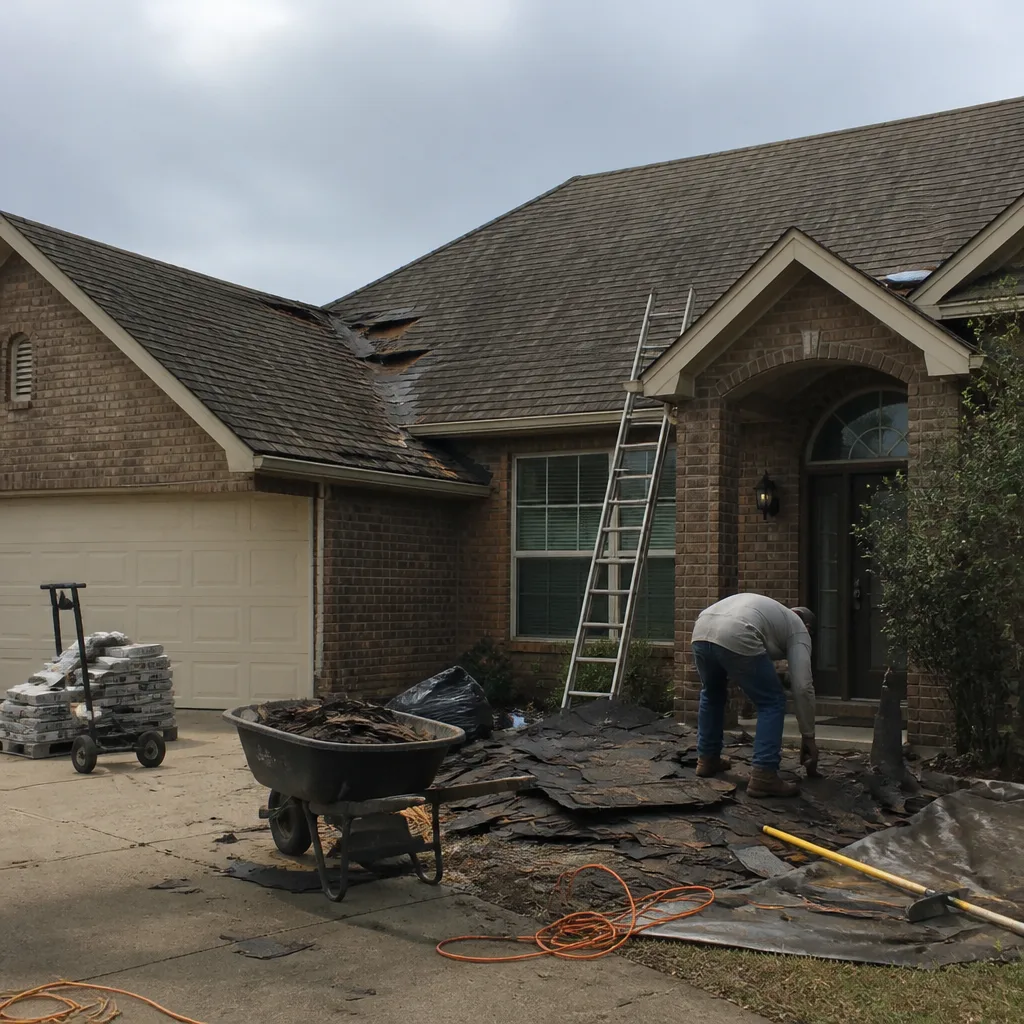 Before
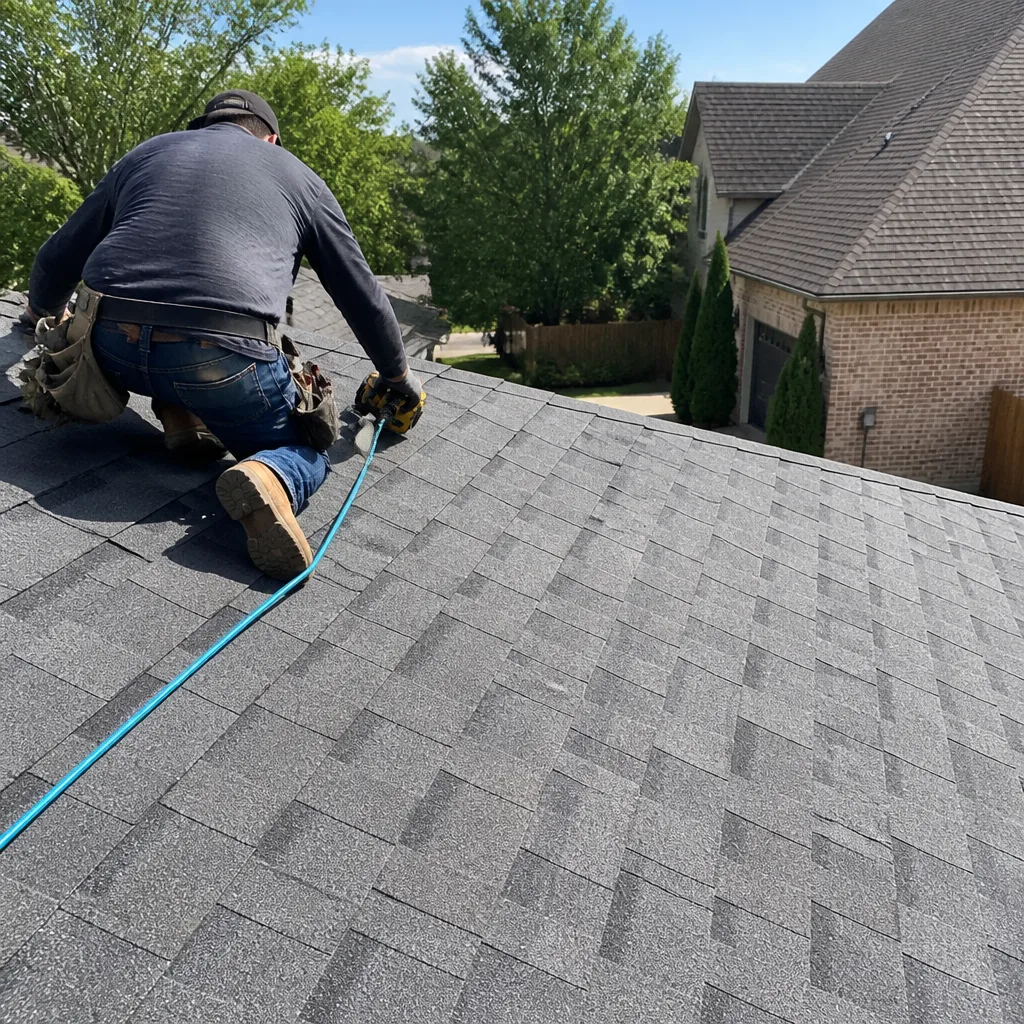 After
After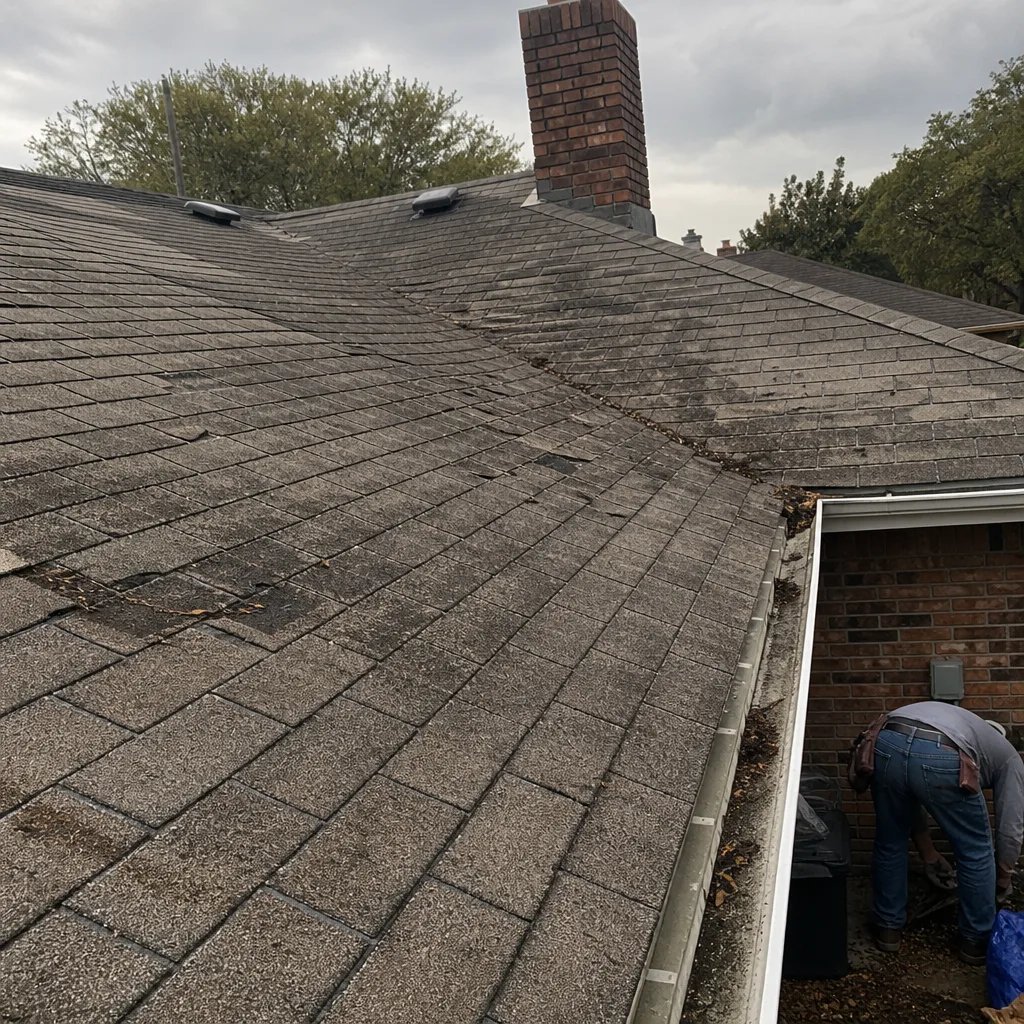 Before
 After
After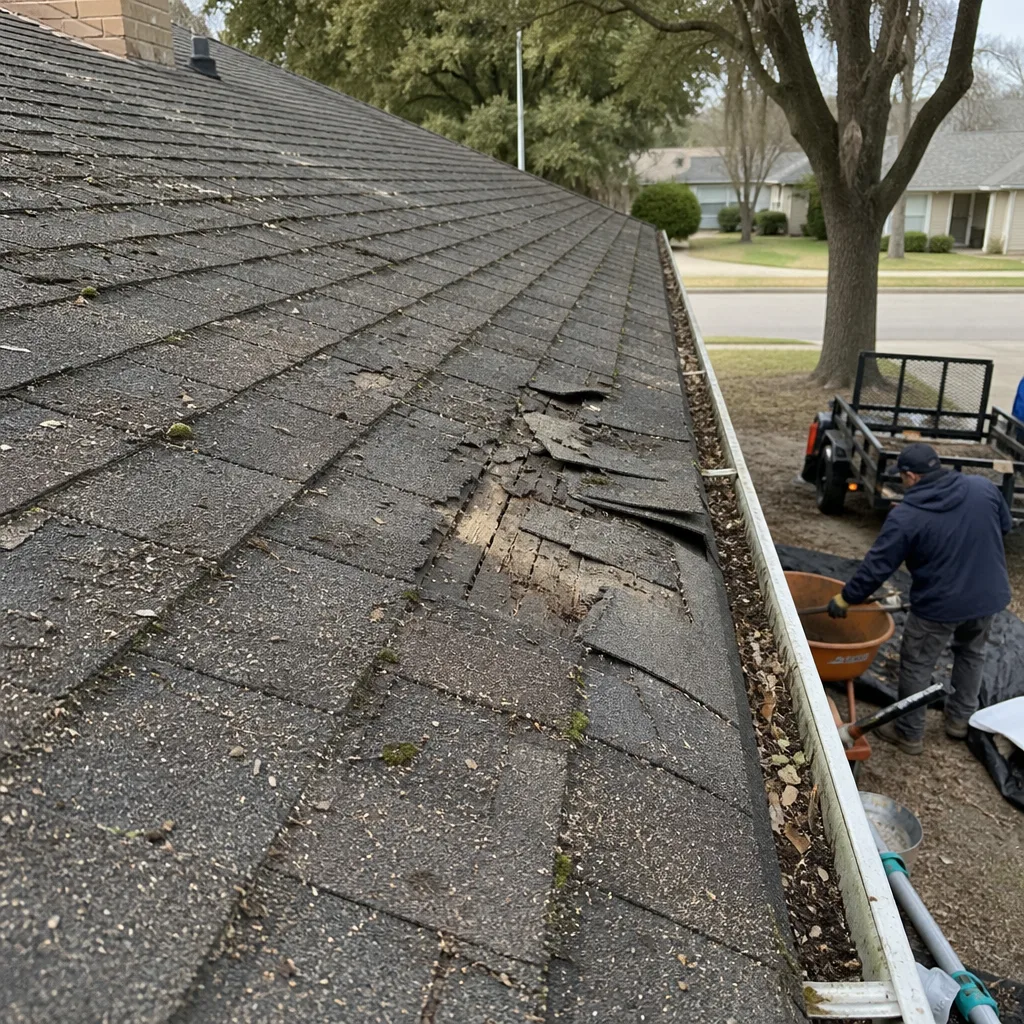 Before
 After
After