
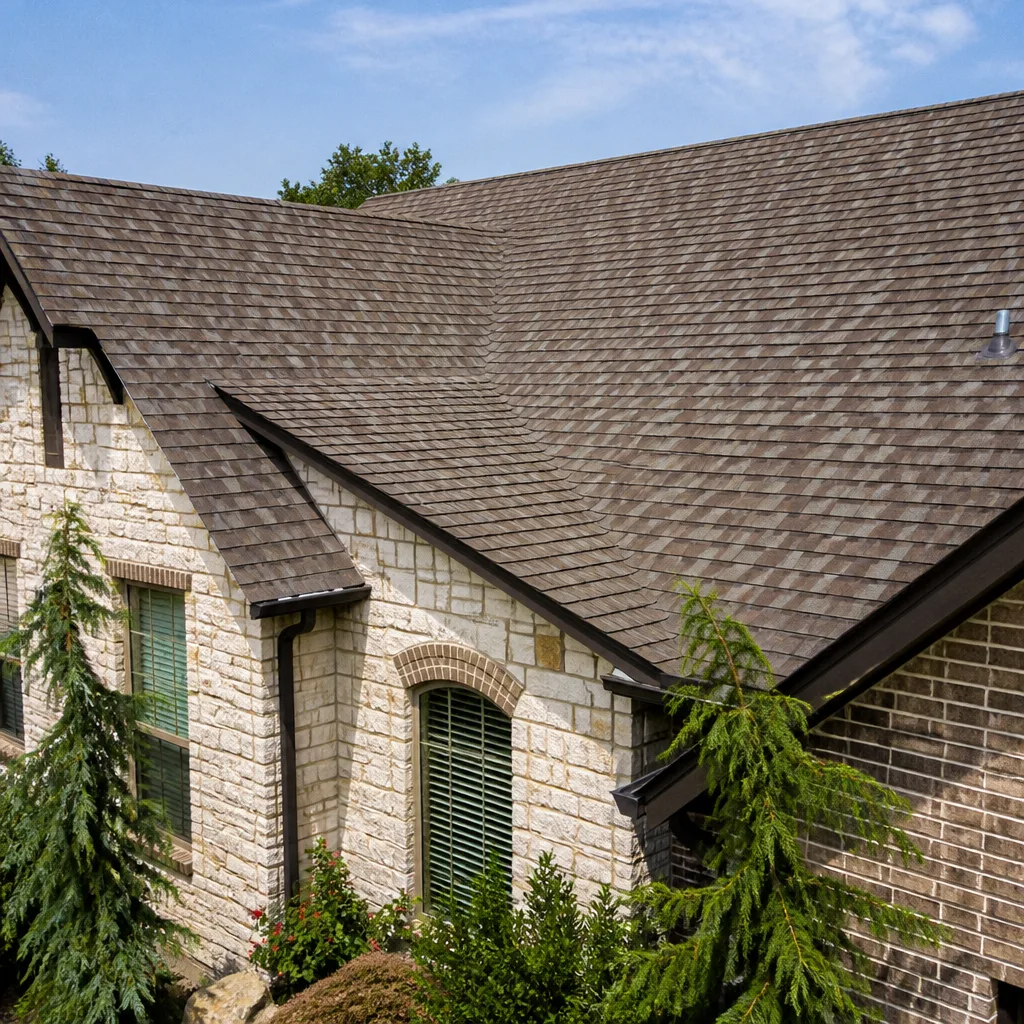
 Owens Corning
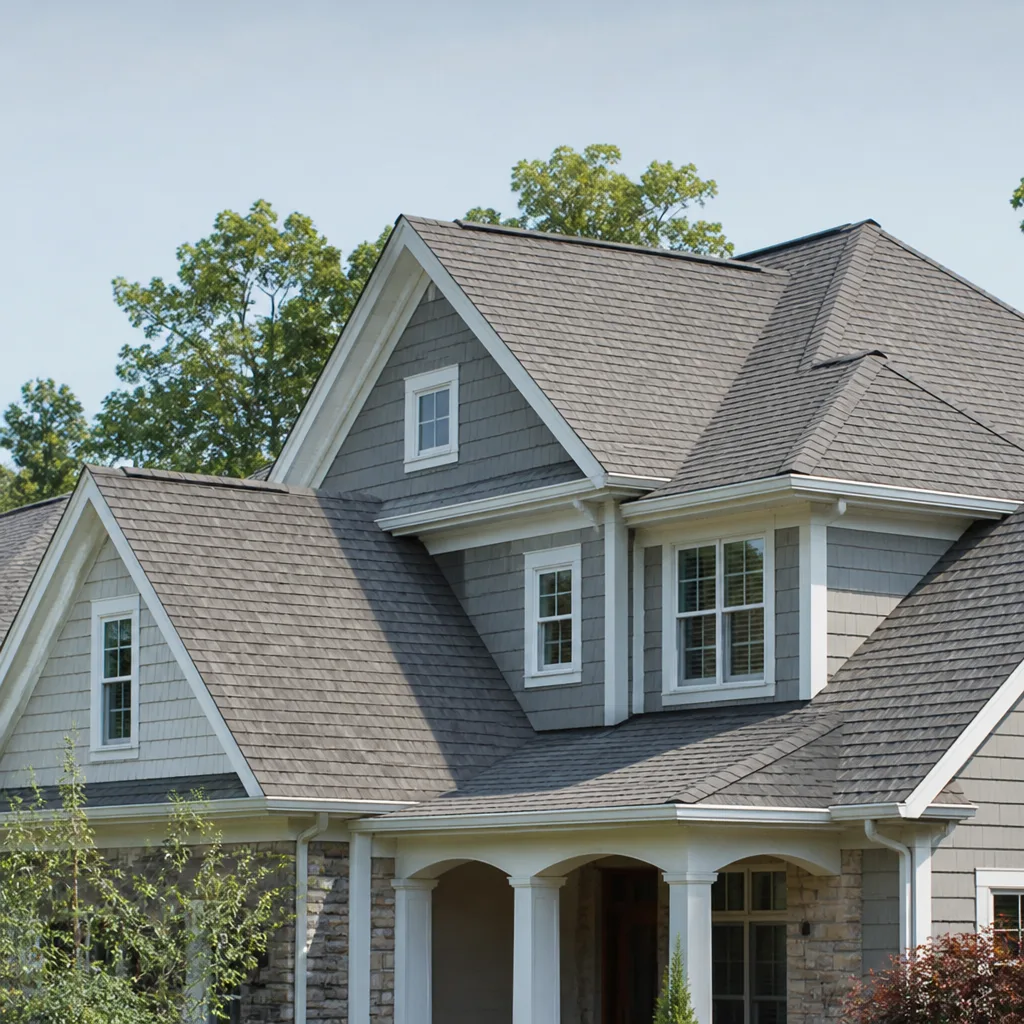 Architectural shingles
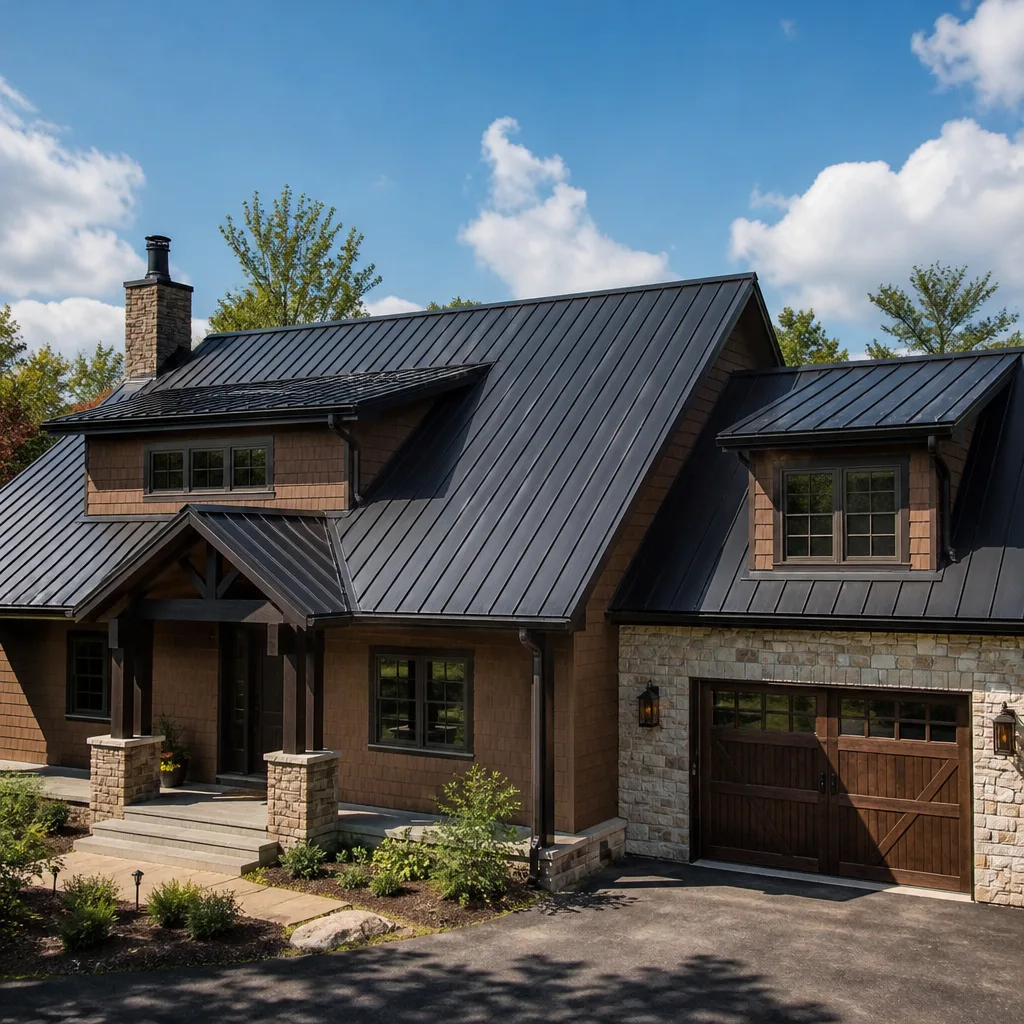 Metal roofing
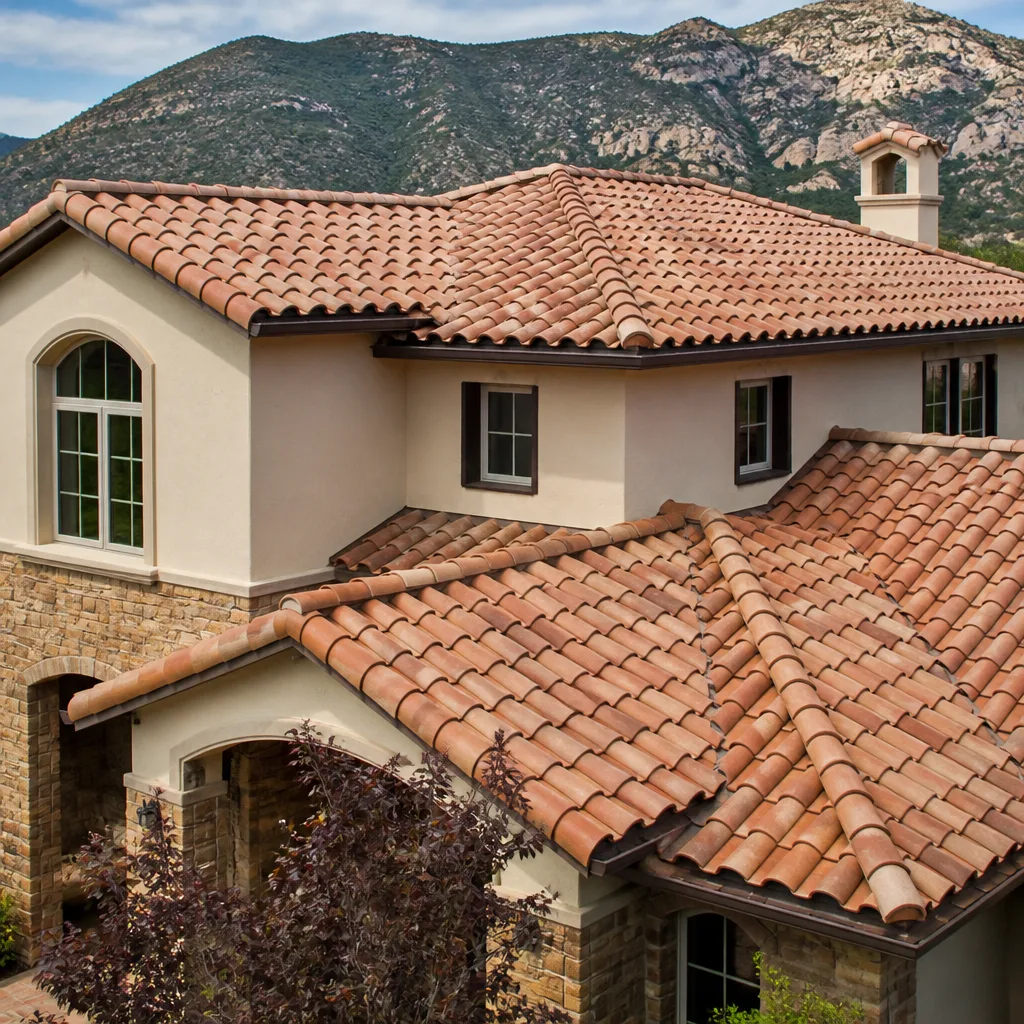 Tile roofing
 GAF
GAF Flat & low-slope
Free roof inspection with deck photos before we talk money - GAF and Owens Corning certified installation
Owens Corning Flashing Replacement: The Fort Worth Owner’s Guide
Owens Corning flashing replacement in Fort Worth typically runs $240 to $520 installed, depending on how much flashing is failing and whether we’re dealing with roof-to-wall transitions, chimney bases, or pipe penetrations. We stock Owens Corning-compatible flashing on the truck for most standard configurations, so we can usually complete the swap in one visit. Most Fort Worth homeowners discover the problem the same way: a water stain on the ceiling after a hard spring storm, then a closer look at the roofline where rust, lifting, or cracking metal at the transition points catches the eye. By the time flashing fails visibly, water has usually been finding a path through for a while.
Which Owens Corning Models This Applies To
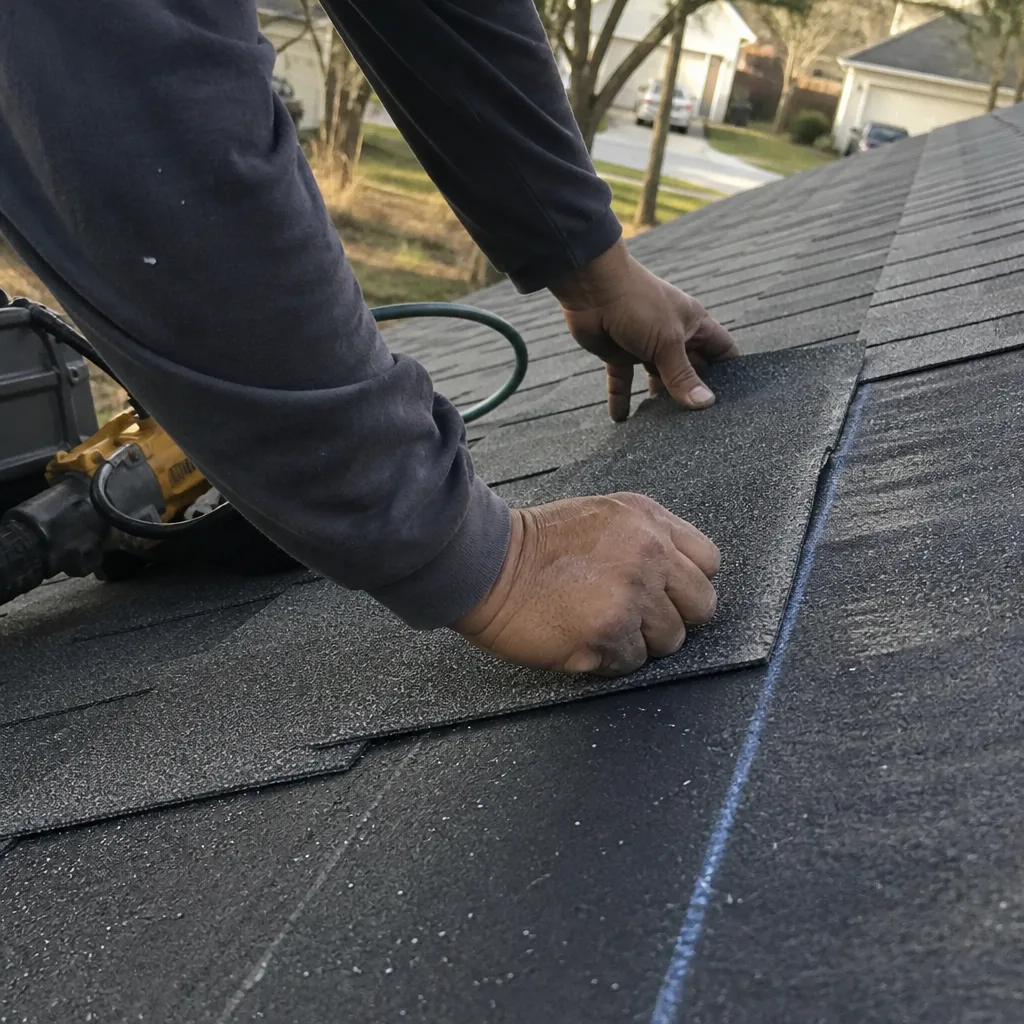
Owens Corning doesn’t manufacture flashing as a standalone consumer product the way they make Duration or Oakridge shingles. Their roofing systems are designed to work with specific flashing profiles: galvanized or aluminum step flashing, counter-flashing at walls and chimneys, and pipe boots sized to match the preferred vent collars in their installation guides. When you have an Owens Corning roof system in Fort Worth, the relevant question is whether the flashing meets the gauge, height, and overlap specs Owens Corning calls for in their Total Protection Roofing System documentation. Generally that’s 26-gauge galvanized at minimum, with a minimum 4-inch step flashing profile and kick-out flashing at roof-to-wall terminations. One compatibility gotcha we see regularly: aftermarket flashing sold at big-box stores is often 30- to 32-gauge, which is lighter than what an Owens Corning system was designed around. It’ll last a few years, then rust through at the bends. If the original install used box-store flashing on an Owens Corning roof, that’s usually what failed first.
For Fort Worth homeowners with Owens Corning shingles, you don’t need an Owens Corning-branded flashing because there isn’t one to buy. What matters is that we install flashing that meets or exceeds the spec their system documentation calls for, and that we match the profile to what’s already on your roof. We’re an independent roofing company; we’re not affiliated with Owens Corning. We work with their systems daily and stock parts that meet their installation standards, the same way we do for GAF and CertainTeed roofs.
Styles & brands we work with
Signs Your Owens Corning Flashing Replacement Is Failing
- Ceiling stains near exterior walls or chimneys. Water follows the path of least resistance, and failed flashing at a wall or chimney lets it enter at the roofline, then travel sideways before it shows up inside, often a foot or more from the actual leak point.
- Visible rust or pinholes at the corners. Fort Worth’s heat does a number on thin flashing. Metal expands and contracts daily; over a decade of 100-degree summers, the bends work-harden and crack, and rust takes hold where the galvanized coating wore off.
- Lifted or curling flashing edges. When wind catches an unsealed flashing edge, it starts working the metal like a hinge. Once it lifts far enough, water gets behind it, and the movement only gets worse from there.
- Granule loss and shingle wear concentrated right next to flashing. If the flashing isn’t seated properly, it chafes against the shingles in wind. Worn granules expose the mat underneath, and the whole assembly degrades faster.
- Exposed nail heads or missing sealant. Flashing that’s been re-nailed or re-caulked repeatedly tells you a previous repair didn’t hold. Every nail in flashing is a potential water entry point, which is why we install new flashing rather than patching over failed metal.
Replacement Cost & What’s Included
Here’s the honest pricing picture for Owens Corning flashing replacement in Fort Worth, based on what we quote and install every month:
- Single pipe boot swap: $240 to $310.
- Step flashing replacement on one roof-to-wall run (up to 8 linear feet): $310 to $420.
- Chimney base and counter-flashing replacement: $380 to $520, depending on scaffold access and chimney size.
- Kick-out flashing addition or replacement: $120 to $180, usually done alongside a step flashing replacement if the original lacked one.
The range comes down to two factors: how much flashing has to come out and what condition the adjacent decking is in once we open the shingles. In Fort Worth, we see a lot of the second case: flashing failed years ago, the room below it was dry so the owner never noticed, but the roof deck underneath is soft and needs a minor repair before new flashing goes down. Every quote includes the parts and labor as one line item, so you see the full cost before any work begins. Our 365-Day Done Right Promise covers every flashing replacement for a full year, in writing, at no extra cost. If the repair fails, we come back free. That’s the rule, no negotiation.
See the difference
 Before
 After
After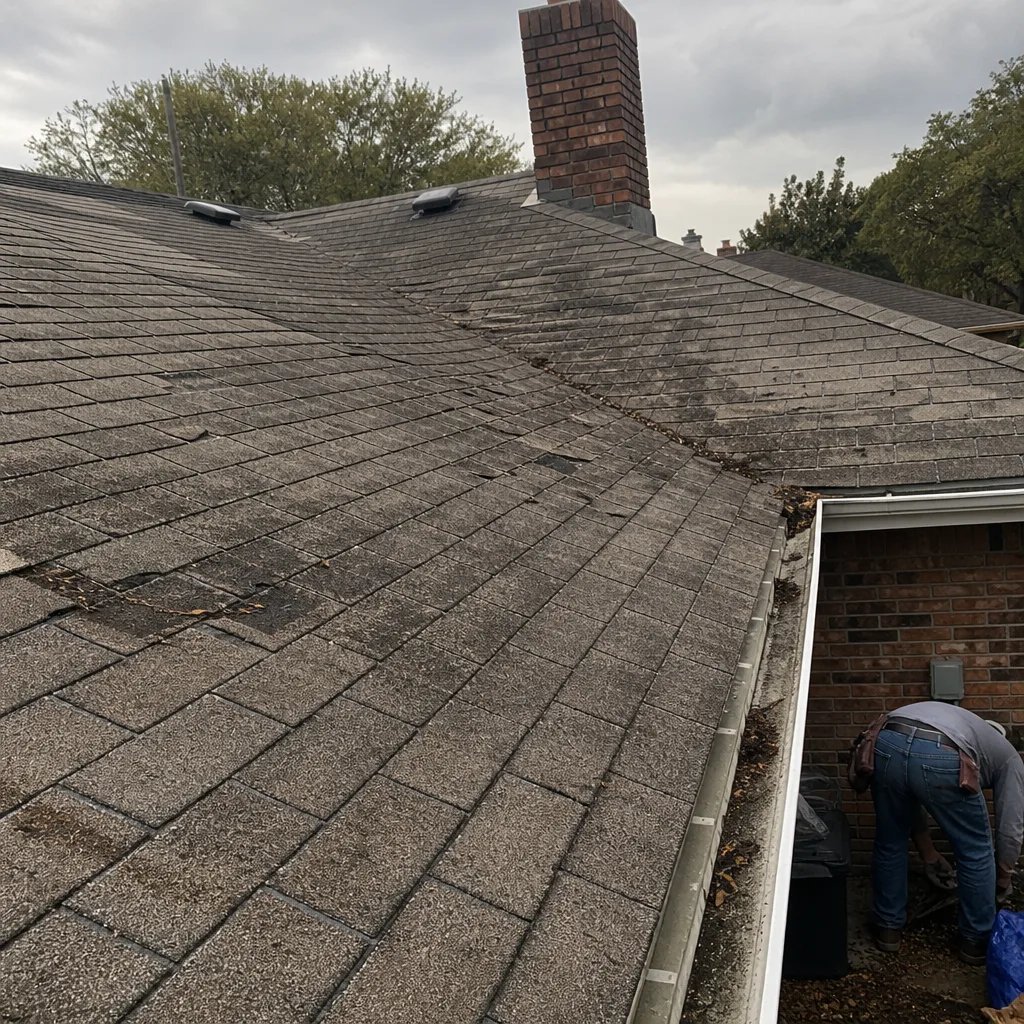 Before
 After
After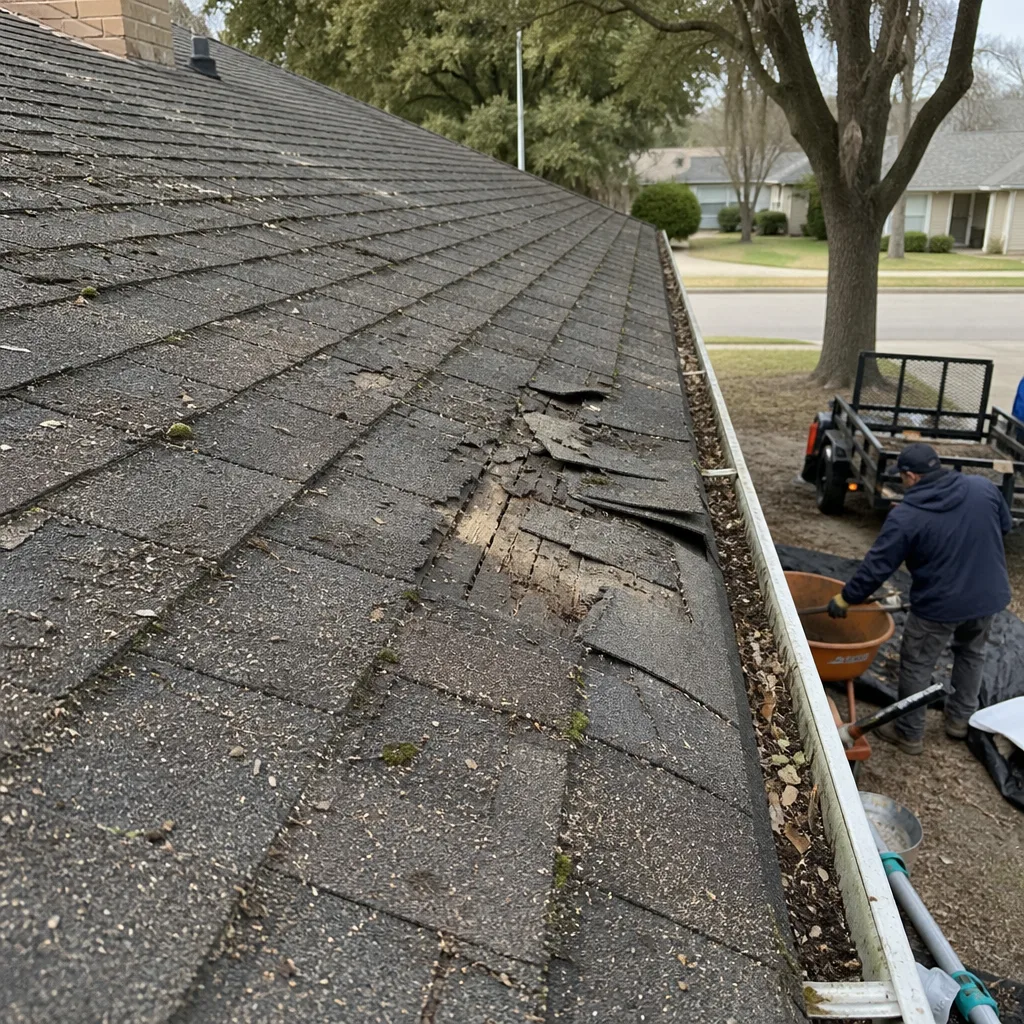 Before
 After
AfterDIY or Call Us?
Flashing replacement is somewhere between “check it yourself” and “don’t touch it.” You can absolutely inspect from the ground with binoculars: look at the pipe boot, the chimney base, the roofline where the roof meets a wall. Rust, lifting edges, cracked sealant, missing pieces are all visible without getting on a ladder. What I’d steer you away from is the online tutorial version of flashing replacement. The dangerous combination here is Fort Worth’s roof slope plus the fact that most flashing failures are at the chimney or a roofline, not at the eave. That’s the worst place to try a first-time flashing job. Ladders on slope, working uphill over a chimney, lining up step flashing correctly so water doesn’t channel behind it – it’s not worth the hospital visit or the second repair. And we’ve been called to fix a lot of DIY flashing that looked right from the ground and leaked by November. My line is this: put it in writing or don’t bother saying it. If you can’t stand behind a repair for a year, it wasn’t a repair.
FAQs
Standard galvanized flashing on a Fort Worth roof lasts 12 to 20 years depending on gauge, exposure, and how well it was seated at installation. Thin 30-gauge flashing can fail in under 10 years. The heat cycle here is what kills it: metal expands and contracts daily, and once the galvanized coating breaks down at the bends, rust follows quickly.
In most cases, no. Caulk and sealant patches fail within a season because the metal underneath keeps moving with the heat cycle. If the flashing is still structurally sound and the only problem is an exposed nail or a small lifted corner, we can do a targeted fix, but if metal is rusted, cracked, or lifted beyond reseating, replacement is the only repair that actually holds. Call (682) 730-3548 for an honest assessment of what you’re looking at.
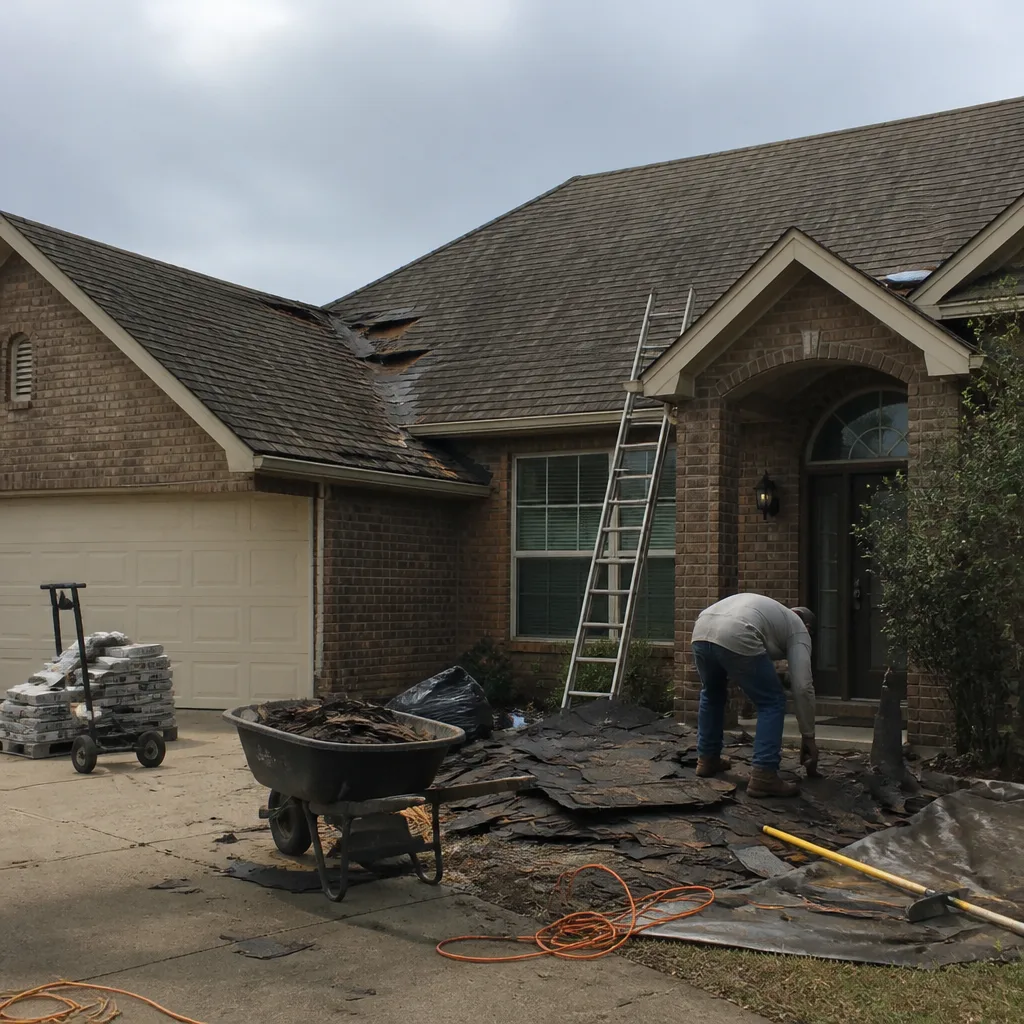
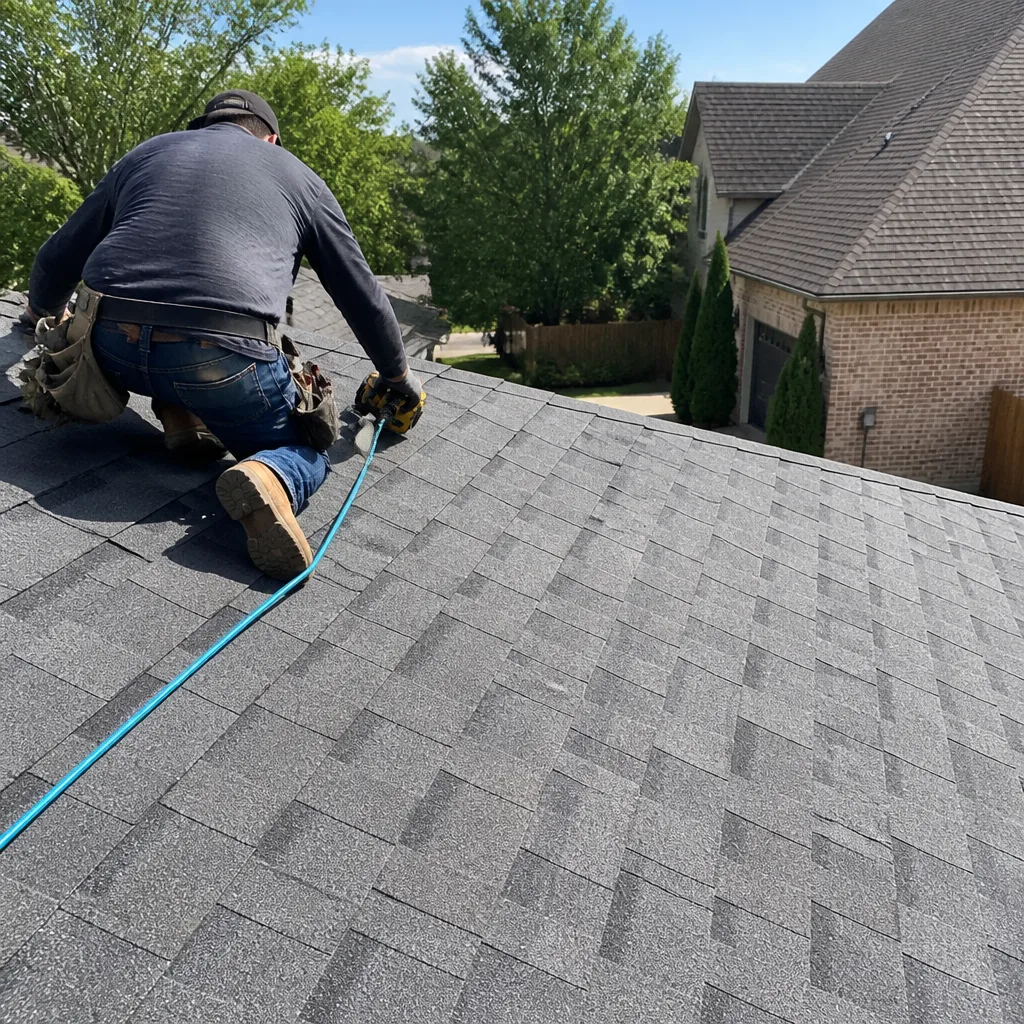
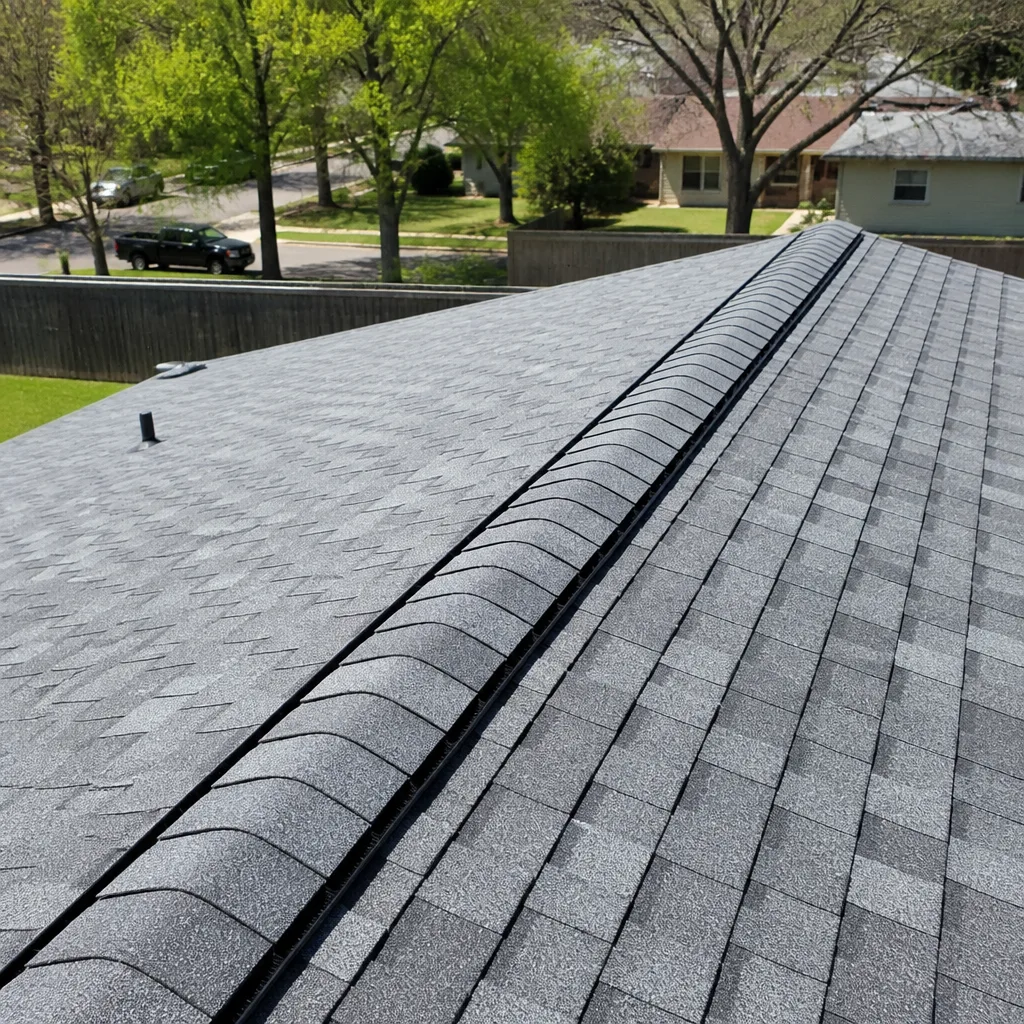
A standard pipe boot swap or step flashing run takes 2 to 4 hours. A chimney base replacement can run 4 to 6 hours depending on access. We complete most flashing replacements in a single visit, with before-and-after photos documented so you can see exactly what came out and what went in.
We stock the profiles and gauges that Owens Corning system specs call for on our trucks, from step flashing to pipe boots to kick-out flashing. In most Fort Worth neighborhoods, we arrive with what we need. If a chimney chase needs a custom profile, we fabricate it that day rather than making you wait for a special order.
Ready to Fix It?
If you’re seeing water stains, rust at the roofline, or flashing that’s pulling up, don’t wait for the next storm. Call (682) 730-3548 for a free estimate. We’ll put the price in writing before any work starts, tell you exactly what needs replacing and why, and stand behind the work for a year. A live person answers, day or night.
Written by Dylan Pace, Owner, Crestview Roofing Co Fort Worth at Crestview Roofing Co Fort Worth, serving Fort Worth and nearby areas.