
Last updated October 17, 2026
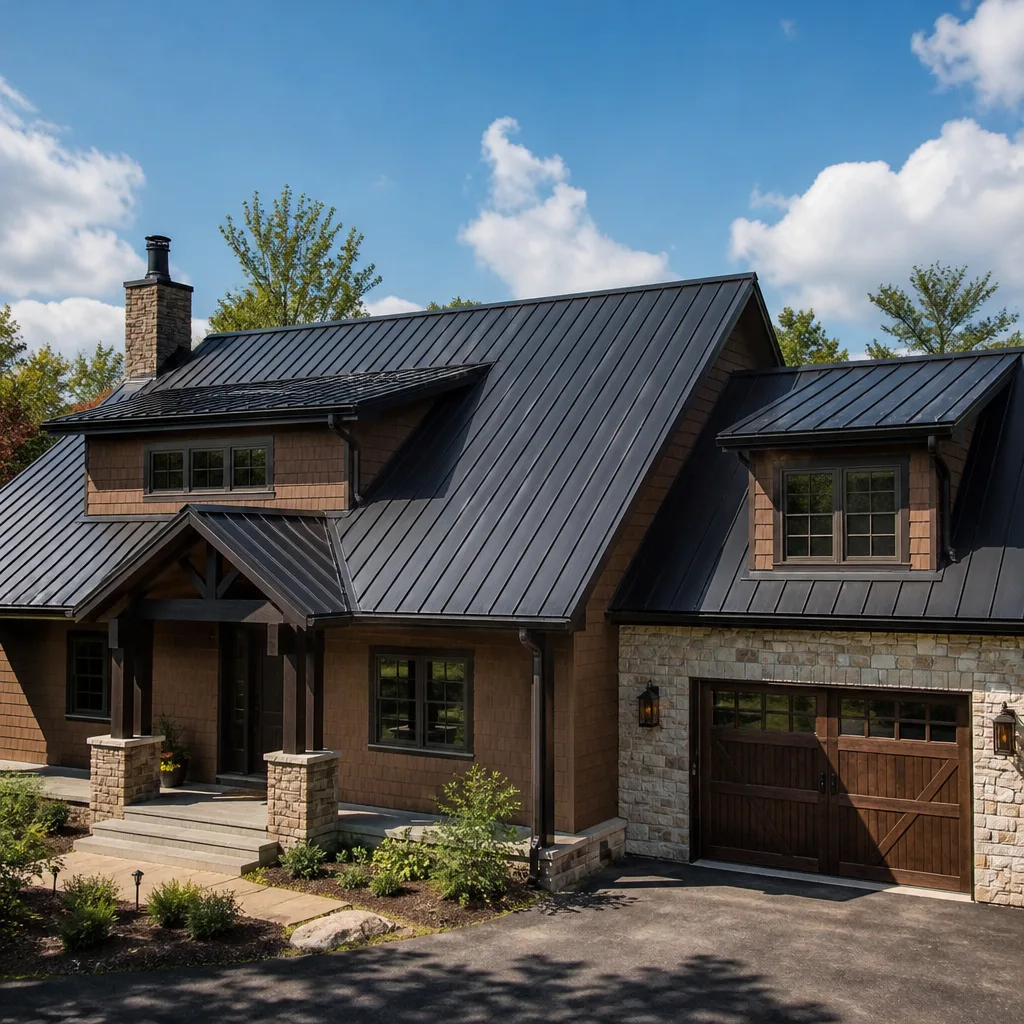 Metal roofing
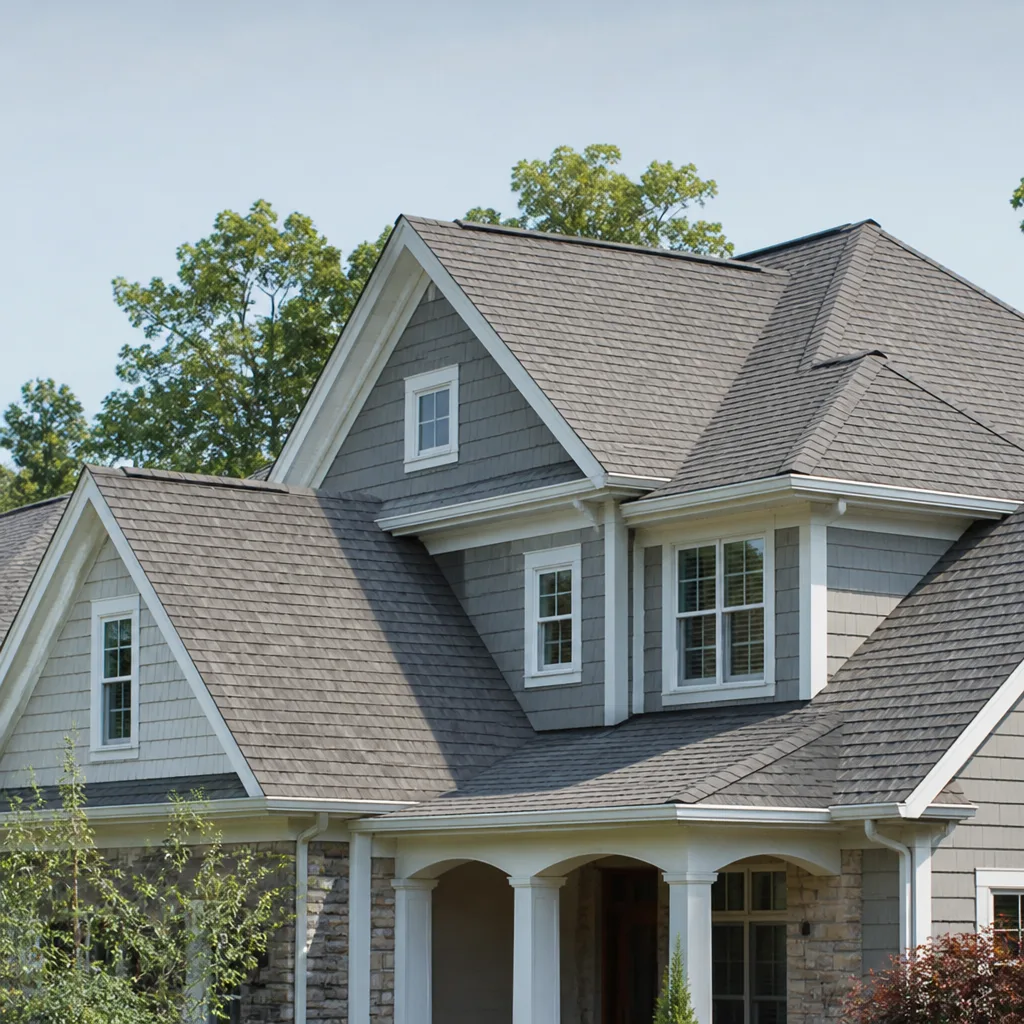 Architectural shingles
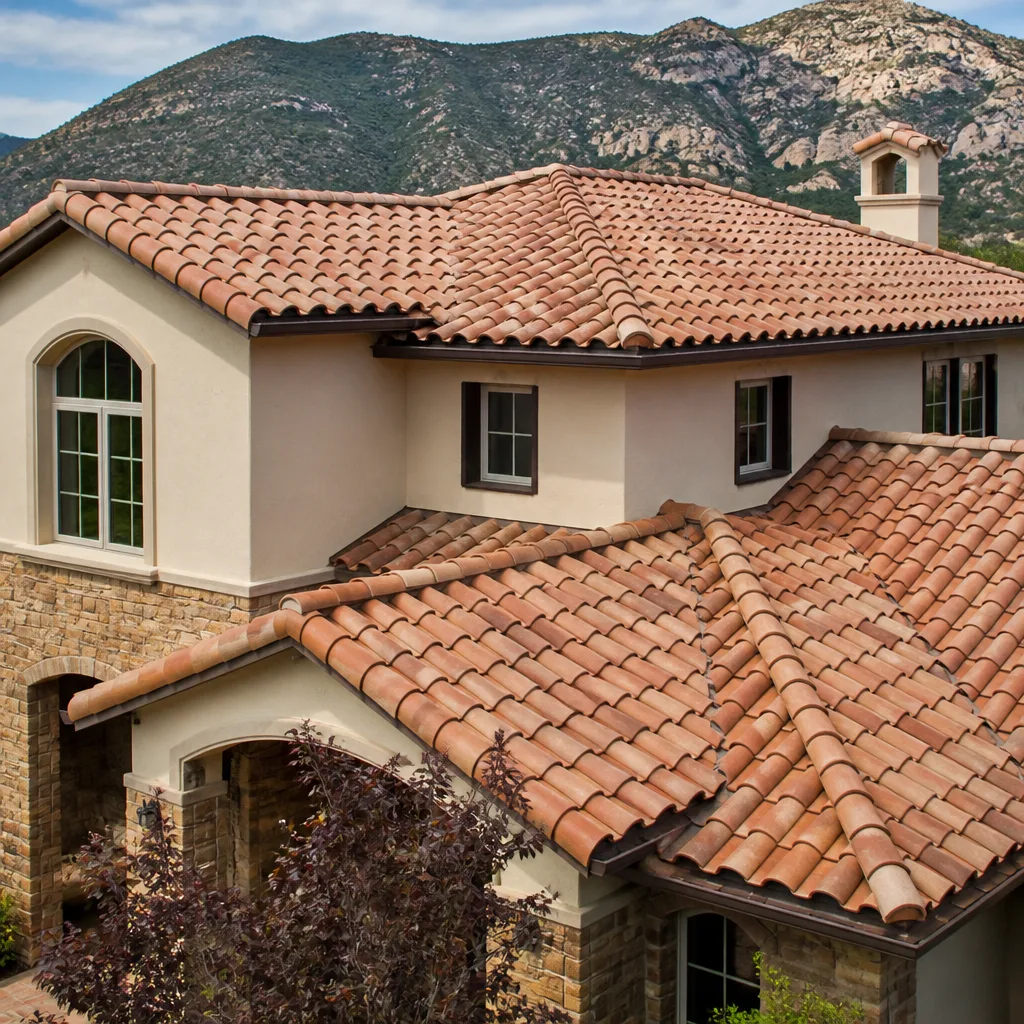 Tile roofing
 GAF
GAF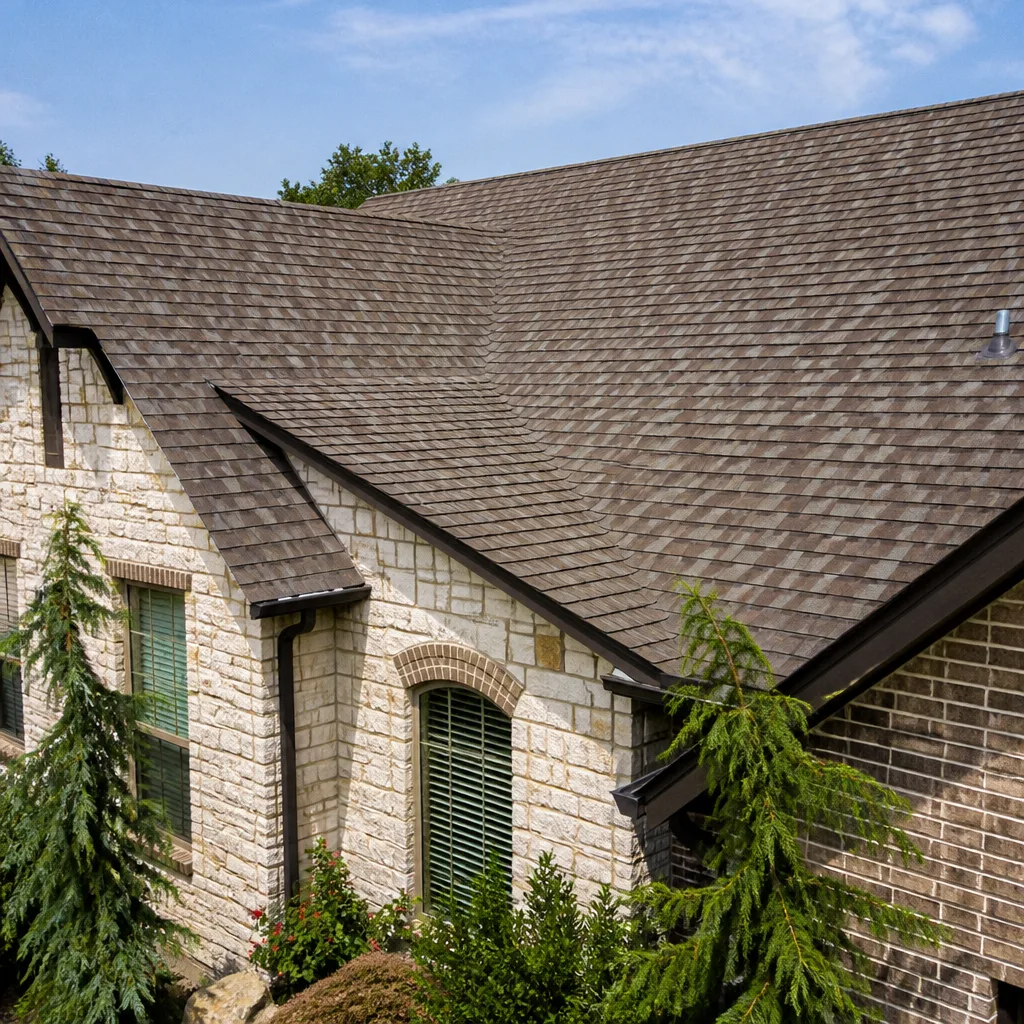 Owens Corning
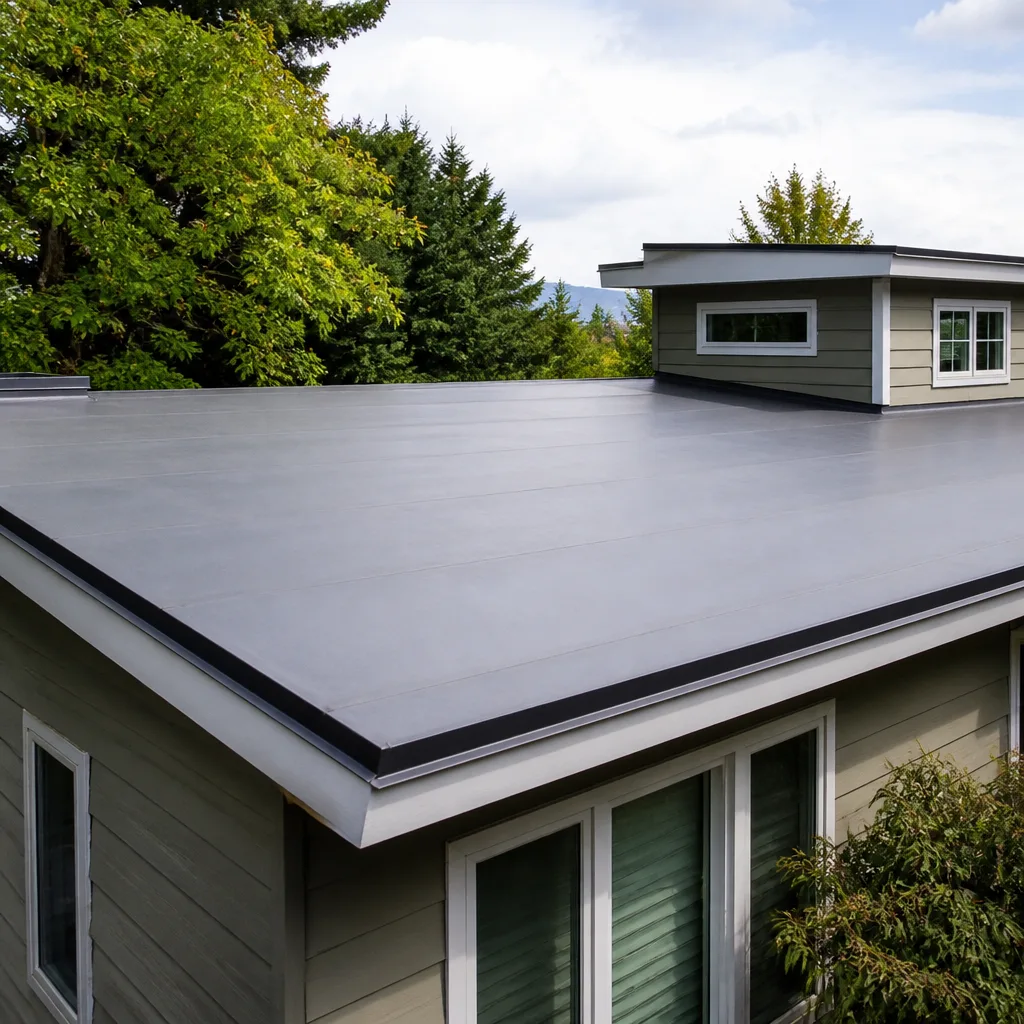 Flat & low-slope
Free roof inspection with deck photos before we talk money - GAF and Owens Corning certified installation
How to Hire a Roofing Contractor in Fort Worth: A Step-by-Step Guide
The Texas Department of Licensing and Regulation logged more roofing-related complaints in 2023 than any other home improvement trade in the state, and the majority weren’t about bad workmanship. They were about prices that changed after work started. If you’re preparing to hire a roofing contractor in Fort Worth, you’re not really shopping for shingles. You’re shopping for documentation: a written price, a written timeline, a written warranty, and proof the person on your roof is who they say they are. This guide walks you through exactly how to get those commitments in writing before anyone climbs a ladder, so the contract you sign is the one that holds up in court and on your roof. We’ll cover the five documents you need, the Fort Worth-specific permit process, the storm-chaser red flags that surface every hail season in Tarrant County, and how to structure a payment schedule that protects your leverage from start to finish.
Styles & brands we work with
Quick Answer
To hire a roofing contractor in Fort Worth, verify their Texas license and insurance, request a written itemized quote with a fixed price, confirm they pull a Tarrant County permit for the job, get the warranty terms in writing, and structure payments so no more than a small deposit changes hands before materials arrive. Require all five documents before signing, and walk away from any contractor who hesitates to put numbers or timelines on paper.
Table of Contents
- The Five Documents to Request Before Signing Anything
- How to Verify a Fort Worth Contractor’s License and Insurance
- How to Check Tarrant County Permit Pull History in Under Five Minutes
- Storm-Chaser Red Flags: How to Expose a Hail-Chasing Roofer
- What a Legitimate Written Warranty Actually Contains
- How to Structure a Payment Schedule on a $10,000 – $20,000 Job
- Ten Questions That Separate Professional Roofers from Chancers
- Common Mistakes to Avoid
- When to Call a Professional
- Frequently Asked Questions
- The Bottom Line
The Five Documents to Request Before Signing Anything
Most homeowners in Fort Worth never ask for a single document beyond the quote. That’s the mistake. A quote is not a contract, and a contract is not proof of insurance. Before you sign anything, request all five of the following. A professional roofer will provide every one without hesitation. A contractor who stalls on any of them is telling you something about how the job will go.
- Texas license verification. Roofers in Texas are not required to hold a state-issued roofing license, which surprises many Fort Worth homeowners. What matters is that they are a registered business with the Texas Secretary of State and, if they hold any trade credentials, that those credentials are current. Ask for their business registration and any manufacturer certifications. If they claim to be “GAF certified” or “CertainTeed SELECT ShingleMaster,” ask for the certificate, not the claim.
- Certificate of insurance with your address listed. Ask for a certificate of insurance (COI) that names you, the property owner, as a certificate holder and lists your specific Fort Worth address. General liability should be at minimum $1 million, and workers’ compensation should be included if the company has employees. If they use subcontractors, ask for each sub’s COI too. Never accept “we’re insured, trust us” as an answer. The COI is the document that protects you if a worker falls off your roof and sues.
- Written itemized quote. The quote must list the shingle brand and model, underlayment type, number of squares, flashing details, ventilation specs, drip edge, and any decking replacement costs. It must also state the total price and note whether it is fixed or subject to change. A roofer who writes “labor only” or “materials extra” is handing you an open checkbook. In Fort Worth, where summer heat can reveal decking rot after tear-off, you want a quote that includes a per-sheet or per-linear-foot rate for any replacement decking discovered during the project. That way you know the worst-case scenario upfront.
- Payment schedule. A legitimate Fort Worth roofer will not ask for 100% upfront. Request a written schedule that ties payments to milestones: a deposit to book the job, a payment when materials are delivered to your site, and a final payment after inspection and walkthrough. If the schedule is not in writing, it does not exist when there’s a dispute.
- Manufacturer warranty transfer form. If you are investing in a roof replacement with architectural shingles from a brand like GAF or Owens Corning, ask for the manufacturer warranty registration or transfer form. This is a separate document from the contractor’s workmanship warranty. It registers the shingles with the manufacturer and activates the material warranty, which typically runs 25 to 50 years depending on the product line. A roofer who doesn’t mention manufacturer warranties is either installing off-brand material or not doing the paperwork. Neither is acceptable on a $15,000 job.
Request these five documents before you sign any contract. Put the request in an email so you have a timestamped record. If a roofer balks at any one of them, that’s your answer. Move on to the next bid.
How to Verify a Fort Worth Contractor’s License and Insurance
Texas is one of the few states with no statewide roofing license requirement, which means the burden of verification falls entirely on you, the homeowner. That doesn’t mean you’re defenseless. It means you have to check the documents yourself rather than trusting a badge on a website. Here’s the verification process we recommend, and it is the same process we’d want a homeowner to use on us.
Start with the Texas Secretary of State’s business search. Every legitimate roofing company in Fort Worth is registered as a legal entity, whether it’s an LLC, corporation, or partnership. Search the business name and confirm the entity is active and in good standing. Write down the filing number. If the roofer’s business name doesn’t appear, they may be operating under a DBA (doing business as). Ask for the legal entity name that appears on their registration, not the marketing name on their truck.
Next, confirm the insurance. The certificate of insurance you requested should list the insurance carrier’s name, policy number, coverage limits, and effective dates. Don’t stop there. Call the carrier, not the agent listed on the certificate, and verify the policy is active. Fraudulent COIs exist in every Texas market, and Fort Worth is no exception. A two-minute phone call confirms the policy is in force and that coverage limits match what’s printed on the page.
Finally, check their standing with the Fort Worth Better Business Bureau and the Texas Attorney General’s consumer complaint database. Neither is a guarantee of quality, but a pattern of unresolved complaints is a bright red flag. Search the roofer’s name plus “complaint” and “Fort Worth” and read the actual complaint text. One or two old complaints resolved in the customer’s favor is normal for any company that has been roofing in Tarrant County for a decade. A wall of “unresolved” notices is not.
How to Check Tarrant County Permit Pull History in Under Five Minutes
Fort Worth requires a permit for roof replacement and most structural roof repairs. The City of Fort Worth Development Services issues permits, and you can verify whether a contractor has pulled permits for past jobs in under five minutes using the city’s online permit portal. Here’s the step-by-step process.
- Go to the City of Fort Worth’s Accela Citizen Access portal, the same system the city uses for building permits, trade permits, and inspections.
- Search by contractor name or company name. Do not search by address only; you want the roofer’s pull history, not just your own property’s record.
- Review the list of permits tied to that contractor. Look for roofing permits specifically, and note the dates. A roofer who has pulled dozens of roofing permits in Fort Worth over several years is established. A roofer with no permit history in Tarrant County is either new, operating without permits, or working under someone else’s license.
- Check for final inspection approvals. A permit pulled but never closed is a sign the work was not inspected. That matters because Fort Worth requires a final inspection before a roof replacement is considered complete. If a contractor habitually skips finals, they’re cutting corners.
- If the contractor’s name returns zero results, ask them directly: “What name do you pull permits under?” Many roofing companies use a registered legal name that differs from their marketing name. A legitimate roofer will explain this immediately and give you the correct search term. A storm chaser will mumble and change the subject.
This five-minute check tells you more about a Fort Worth roofing contractor than any online review. Permit history is public record. It cannot be faked, deleted, or bought. If a roofer is unwilling to let you check it, that is the loudest possible answer to the question “are you legitimate?”
Storm-Chaser Red Flags: How to Expose a Hail-Chasing Roofer
Every spring, Fort Worth gets hail. And every spring, out-of-state roofing crews follow the storm cells into Tarrant County like a second weather system. Many are legitimate businesses chasing work. Some are not. The difference is in the documentation. Here are the exact questions that expose a storm chaser, and the red-flag answers to listen for.
Red flag one: The “sign today” pressure pitch. A storm chaser knocks on your door and says they were “working in your neighborhood” and noticed hail damage on your roof. They offer a free inspection on the spot and push you to sign a letter of intent or an assignment of benefits before your insurance adjuster has even looked at the roof. That’s not a roofer. That’s a sales crew. The question to ask: “Will you put your inspection findings and your price in writing and let me review them for 48 hours?” A legitimate roofer says yes. A chaser says you have to decide today because “the crew is already scheduled.”
Red flag two: No local address. Ask for the company’s physical Fort Worth address, not a PO box or a cell phone number. Then ask if you can visit the office. A storm chaser’s office is a hotel room in Arlington or a rented mailbox at a UPS Store on Camp Bowie. A legitimate local roofer has a business address you can drive to. If they won’t give you an address, they’re not planning to be around when the warranty claim comes in.
Red flag three: The “waive your deductible” offer. In Texas, it is illegal for a roofing contractor to waive or rebate an insurance deductible. If a roofer offers to “eat the deductible” or “work it into the price,” they are proposing insurance fraud, and you are the one who signs the documents. Every legitimate Fort Worth roofer knows this. Anyone who suggests it is not someone you want on your property.
Red flag four: They won’t show you a COI. A storm chaser often carries a faded photocopy of a certificate of insurance from a company that went out of business in another state. Ask for a current COI with your name and address as the certificate holder. Then call the carrier. If the policy doesn’t exist or the coverage lapsed, that’s your answer. We’ve been called to fix roofs in Fort Worth after a storm chaser disappeared, and in nearly every case the homeowner never verified the insurance.
The underlying issue is simple: a storm chaser’s entire business model depends on not being around when something goes wrong. Everything they do, from the door knock to the pressure close, is designed to extract a signature before you have time to verify anything. The fix is equally simple: slow down, request documents, and make the verification calls. A real roofer has time. A chaser doesn’t.
What a Legitimate Written Warranty Actually Contains
Every roofer says they “stand behind their work.” That phrase is legally meaningless. A real warranty is a written document with specific terms, specific durations, and specific obligations. Here’s what to look for, and what to reject.
A legitimate workmanship warranty contains four things. First, a defined coverage period: one year, five years, ten years, whatever the roofer offers. The number must be in writing. Second, a defined scope: what is covered? Leaks? Lifting shingles? Flashing failures? If the warranty says “all workmanship,” that’s too vague. Get a list. Third, a defined remedy: what happens when a covered issue occurs? Will the roofer return and fix it at no charge? Is there a response time? A legitimate warranty states that the roofer will correct any covered defect at no cost to the homeowner within a stated number of days after written notice. Fourth, exclusions: what is not covered? Storm damage, animal damage, homeowner alterations, and normal wear are standard exclusions. If there are no exclusions listed, the warranty is a marketing slogan, not a contract.
Then there’s the manufacturer warranty, which is separate and often more valuable. Shingle manufacturers like GAF, Owens Corning, and CertainTeed offer material warranties that range from 25 years to lifetime, depending on the product line. Some offer enhanced warranties that cover labor if the shingles fail. But here’s the catch: those enhanced warranties are only available when the roof is installed by a certified contractor, and the warranty registration form must be completed and filed. Ask the roofer to show you the manufacturer warranty document and the registration form before the job starts. If they can’t, you’re not getting the warranty you’re paying for.
In Fort Worth, where hailstorms routinely test shingle impact ratings, the manufacturer warranty matters. Certain shingle lines carry Class 4 impact ratings. Some insurance companies discount premiums for Class 4 roofs. Read the warranty document and the product specs before you sign, not after the roof is on.
How to Structure a Payment Schedule on a $10,000 – $20,000 Job
A reasonable payment schedule protects both you and the roofer. It gives the roofer enough cash to order materials and schedule a crew, and it gives you leverage to ensure the job is completed before the final check clears. Here’s what a sensible schedule looks like for a typical Fort Worth roof replacement in the $10,000 to $20,000 range.
Deposit: 10% to 20%, but never more than 30%. On a $15,000 roof, that’s $1,500 to $3,000. The deposit books the job and commits the contractor to a schedule. Anything above 30% is a storm-chaser red flag. A legitimate Fort Worth roofer carries enough working capital to order materials without holding your entire project budget hostage.
Material delivery payment: 40% to 50%. When the shingles, underlayment, and flashing arrive at your house, you pay enough to cover the materials. This is a milestone you can verify: you see the delivery with your own eyes, you check the shingle brand stamped on the wrapper matches your quote, and you pay. If the roofer wants material payment before anything has been delivered, that’s called “financing their business on your credit card.” Don’t do it.
Final payment: upon completion and inspection. The remaining balance, typically 10% to 30%, is due after the final Tarrant County inspection passes and you’ve walked the roof or reviewed the after-photos. Never pay the final balance before the inspection. If the city inspector finds an issue and the roofer already has your money, you’re in line behind every other customer on their list. Keep that final payment until the job is done, inspected, and documented.
One more note for Fort Worth homeowners dealing with insurance claims: never sign over the insurance check to a roofer before the work is complete. Deposit the check, pay the roofer from your account, and keep a paper trail. If the roofer asks for the entire insurance payout upfront, find another roofer.
Ten Questions That Separate Professional Roofers from Chancers
When you interview a roofing contractor in Fort Worth, ask all ten of these questions. Listen to the answers, but pay equal attention to the hesitation. A professional roofer answers without pausing because they’ve heard these questions a hundred times. A chancer pauses because they’re improvising.
- “What is your legal business name, and can I see your Texas Secretary of State registration?”
- “Will you list my property address on the certificate of insurance and send it to me before we sign?”
- “What is the total price, in writing, with no allowances or open-ended terms?”
- “Do you pull a permit for every roof replacement in Fort Worth, and what name appears on the permit?”
- “What shingle brands do you install, and can I see the manufacturer warranty registration form before we start?”
- “What is your workmanship warranty in writing, and what does it cover for how long?”
- “Who is the job site supervisor, and will I have that person’s direct phone number during the project?”
- “What is your payment schedule, and will you put it in the contract?”
- “How do you document the work? Do you take before and after photos, and will I receive them?”
- “If something fails within the warranty period, what is your process, and how fast will you respond?”
Ask these questions on a phone call or in person, not over text. You’re listening for confidence and specificity. A professional roofer says, “Our workmanship warranty covers labor defects for two years, and here’s the paragraph in the contract.” A chancer says, “Oh, we stand behind everything, no worries.” The difference is everything.
Common Mistakes to Avoid
- Hiring the first roofer who knocks on your door after a hailstorm. That knock is a sales tactic, not a recommendation. Take the flyer, take a breath, and call at least two other Fort Worth roofers for comparison before deciding. A door knocker’s urgency is a pressure tactic, and pressure should never make a five-figure decision for you.
- Signing a contract with an open-ended price. Any quote that says “decking extra” or “materials as needed” without a defined unit price is an open checkbook. Demand a per-sheet price for OSB or plywood replacement and a total worst-case ceiling in writing before you sign.
- Paying the full amount before the city inspection. Once the roofer has your money, your leverage is gone. Hold the final payment until the Fort Worth inspector signs off and you’ve seen the after-photos of the completed roof.
- Skipping the manufacturer warranty registration. The manufacturer warranty is not automatic. It must be registered. If you don’t file the form, you don’t have the warranty. Ask the roofer to walk you through the registration process before the job is done.
- Not asking for a certificate of insurance with your name on it. A generic COI that names no one protects no one. It must include your name and your Fort Worth property address as the certificate holder. Call the carrier to verify the policy is active before work begins.
- Ignoring the permit history. The Tarrant County permit record is public and searchable. A roofer with no permit history in Fort Worth has not been roofing in Fort Worth long, regardless of what their website says. Check it. It takes five minutes.
- Letting the roofer handle the entire insurance claim without your involvement. Your insurance claim is in your name. Stay in the loop on every step. If the roofer talks to your adjuster without you on the call, you don’t know what’s been promised or agreed.
When to Call a Professional
Some roofing questions you can answer yourself with a pair of binoculars and a ladder you feel safe climbing. A missing shingle after a windstorm, a visible leak stain on the ceiling, granules piling up in your gutters-these are all items on a Roof Repair Maintenance Checklist for Fort Worth Homeowners. These are signals to call a roofer for an inspection. But any time the issue involves structural decking, flashing around chimneys or skylights, or a roof that has reached the end of its service life, call before the problem compounds. Water intrusion in a Fort Worth attic does not get better on its own; it gets moldy, and then it gets expensive. Crestview Roofing Co Fort Worth offers free estimates in Fort Worth. Call (682) 730-3548 to schedule one, and you’ll get a written price before any work starts.
Frequently Asked Questions
A standard architectural shingle roof replacement in Fort Worth typically runs $10,000 to $20,000 depending on roof size, pitch, tear-off requirements, and decking condition. Most homes in Tarrant County fall in the $12,000 to $16,000 range for a two-story, 20-to-25-square roof. The best way to get an exact number for your house is a written itemized quote. Call (682) 730-3548 for a free estimate with a fixed price.
Texas does not require a state roofing license, which makes verification your responsibility. Fort Worth roofers should be registered businesses with the Texas Secretary of State and hold current insurance. Manufacturer certifications from brands like GAF or CertainTeed are a strong signal of legitimacy. Always check registration, insurance, and permit history before hiring.
Most residential roof replacements in Fort Worth take one to two days for tear-off and installation, plus a few days for city inspection scheduling and manufacturer warranty paperwork. Larger or steeper roofs, extensive decking replacement, or complex flashing around chimneys and skylights can push the job to three or four days. Your written quote should include a timeline estimate.
A legitimate workmanship warranty covers specific defects for a specific duration, typically one to ten years depending on the contractor, and states the remedy in writing. A legitimate manufacturer warranty covers shingle defects and is registered separately through the manufacturer. Any promise that exists only in speech is not a warranty. Request both documents in writing before you sign.
Yes. The City of Fort Worth requires a permit for roof replacement and most structural roof repairs. A final inspection is required after completion. Your contractor should pull the permit and arrange the inspection. If a roofer suggests skipping the permit to save money, that is a red flag. Unpermitted work can complicate insurance claims and future home sales in Fort Worth.
A storm chaser is an out-of-state roofer who follows hail events into Tarrant County, signs as many contracts as possible, and disappears when the claims clear. Avoid them by verifying a physical Fort Worth business address, checking permit pull history, confirming insurance with the carrier, and refusing any pitch built on same-day pressure. A legitimate local roofer has time to answer your questions. Call (682) 730-3548 if you need a free roof inspection after a Fort Worth storm.
The Bottom Line
Hiring a roofing contractor in Fort Worth is not about finding the cheapest bid or the loudest sales pitch. For more guides & resources, explore our blog. It’s about documentation. The five documents, the verified insurance, the permit history, the written warranty, the payment schedule. Every one of those exists to protect you before, during, and after the job. A roofer who provides them all without hesitation is a professional. A roofer who makes any one of them difficult is a risk you don’t need to take. Demand everything in writing, verify what can be verified, and never sign anything under pressure. That’s how you hire a roofer in Fort Worth the right way.
Still have questions about your roof or the hiring process? Call Crestview Roofing Co Fort Worth at (682) 730-3548. We’ll answer, we’ll listen, and we’ll give you a written price before any work starts. That’s how it should work.
Written by Dylan Pace, Owner at Crestview Roofing Co Fort Worth, serving Fort Worth since 2000.
See the difference
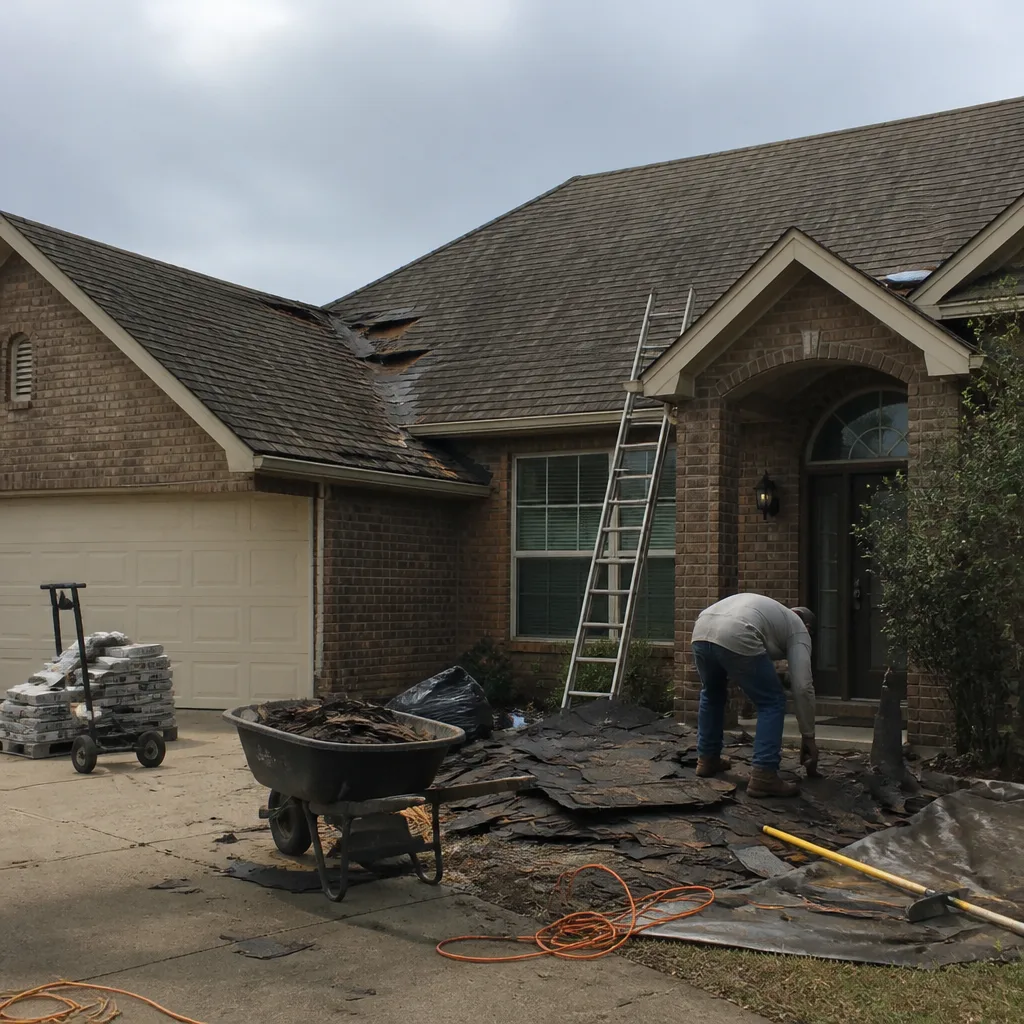 Before
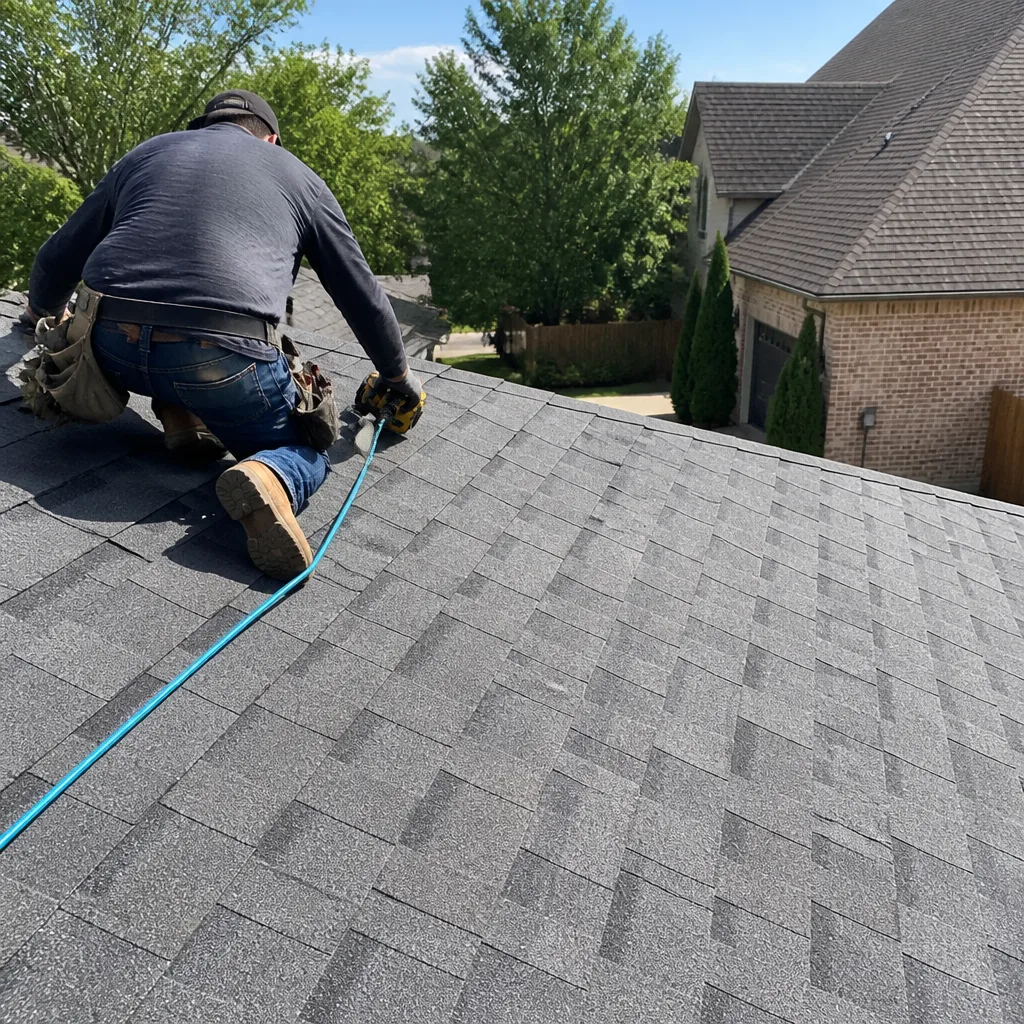 After
After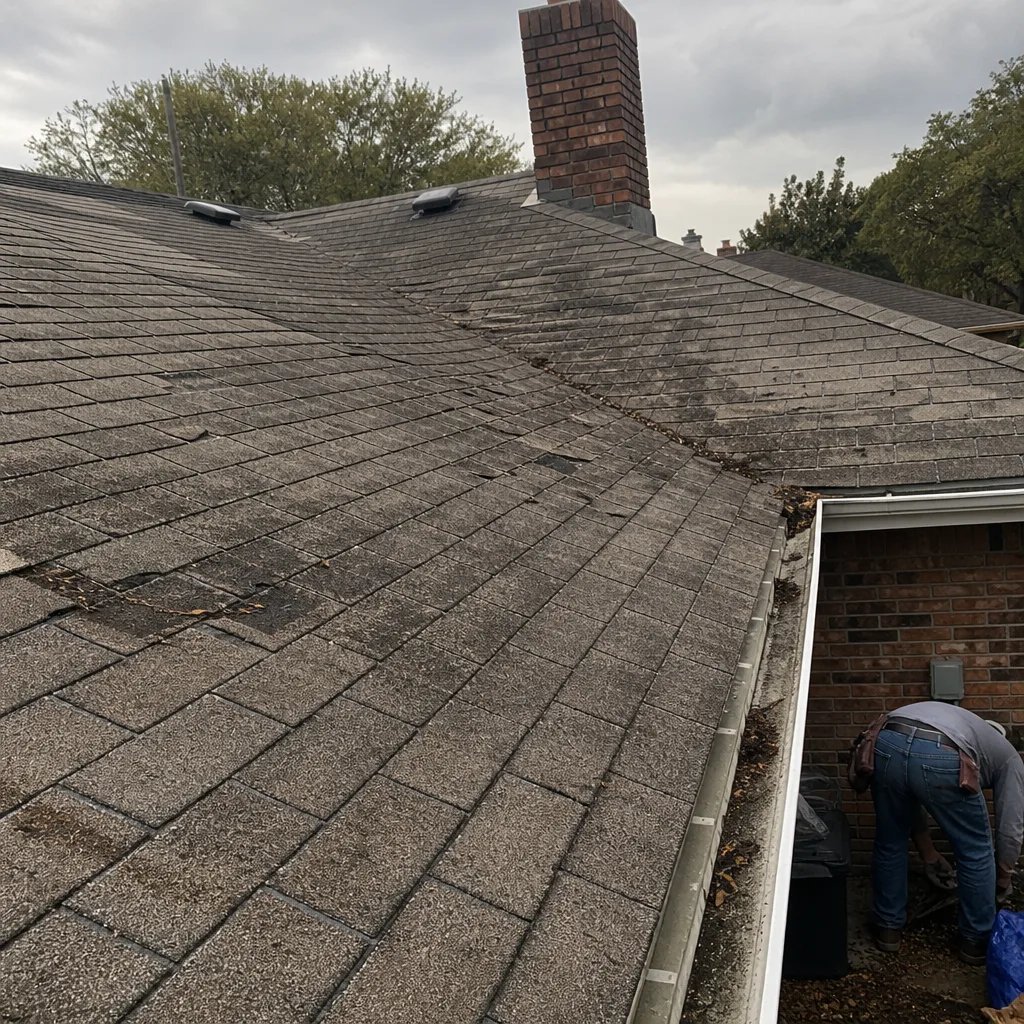 Before
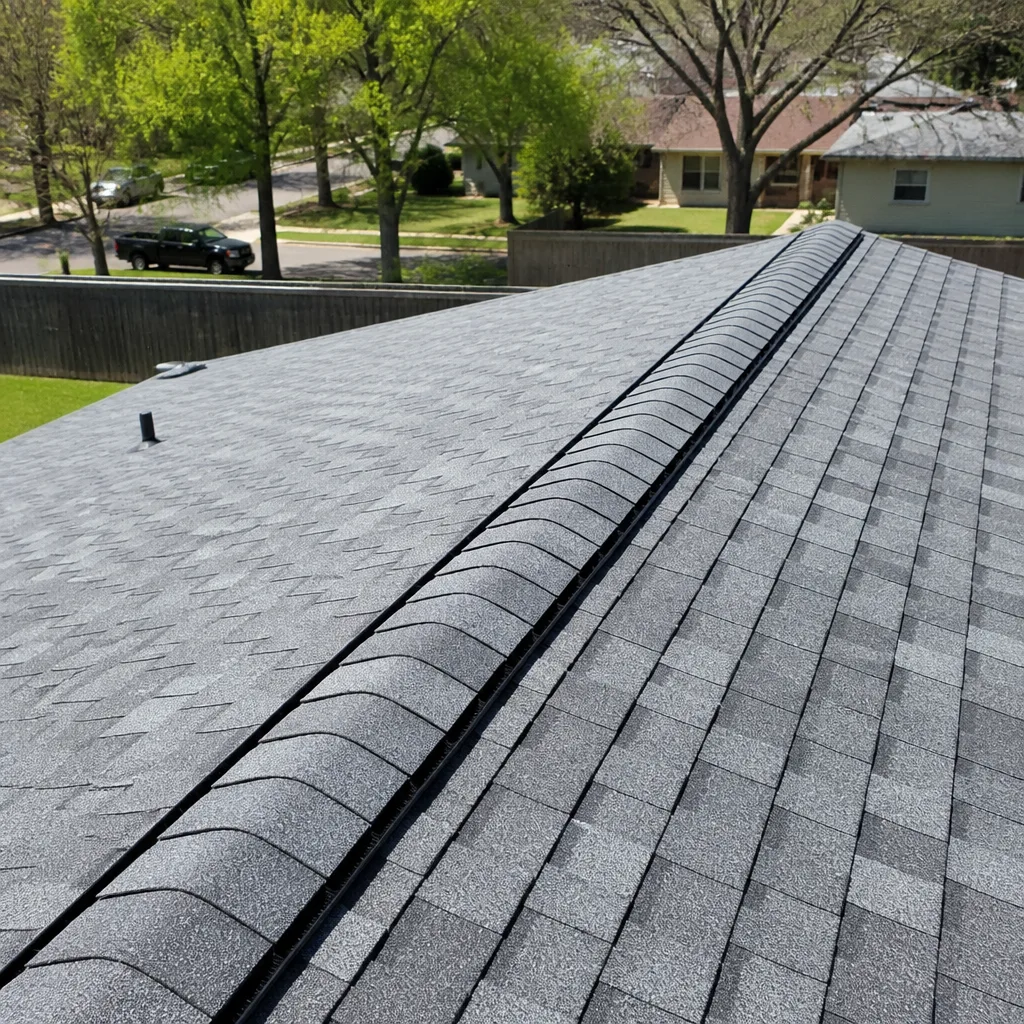 After
After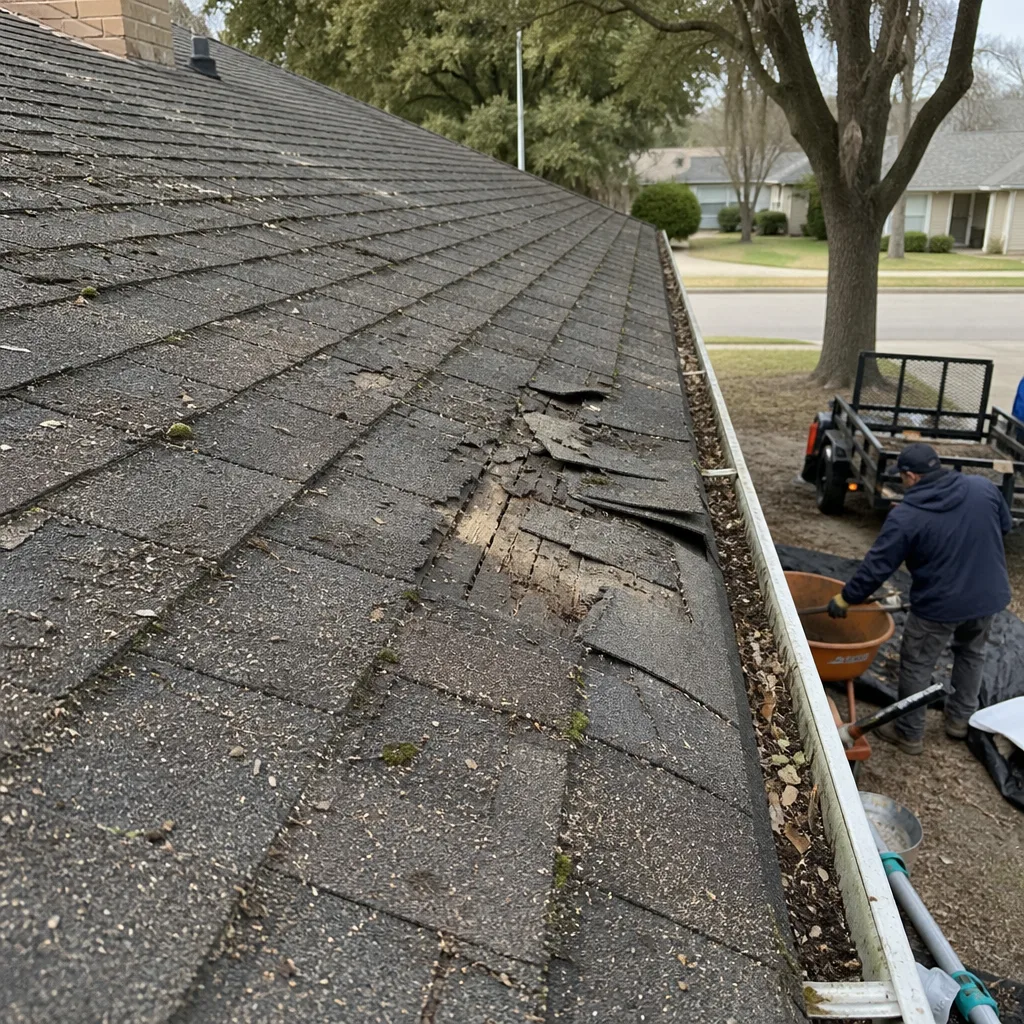 Before
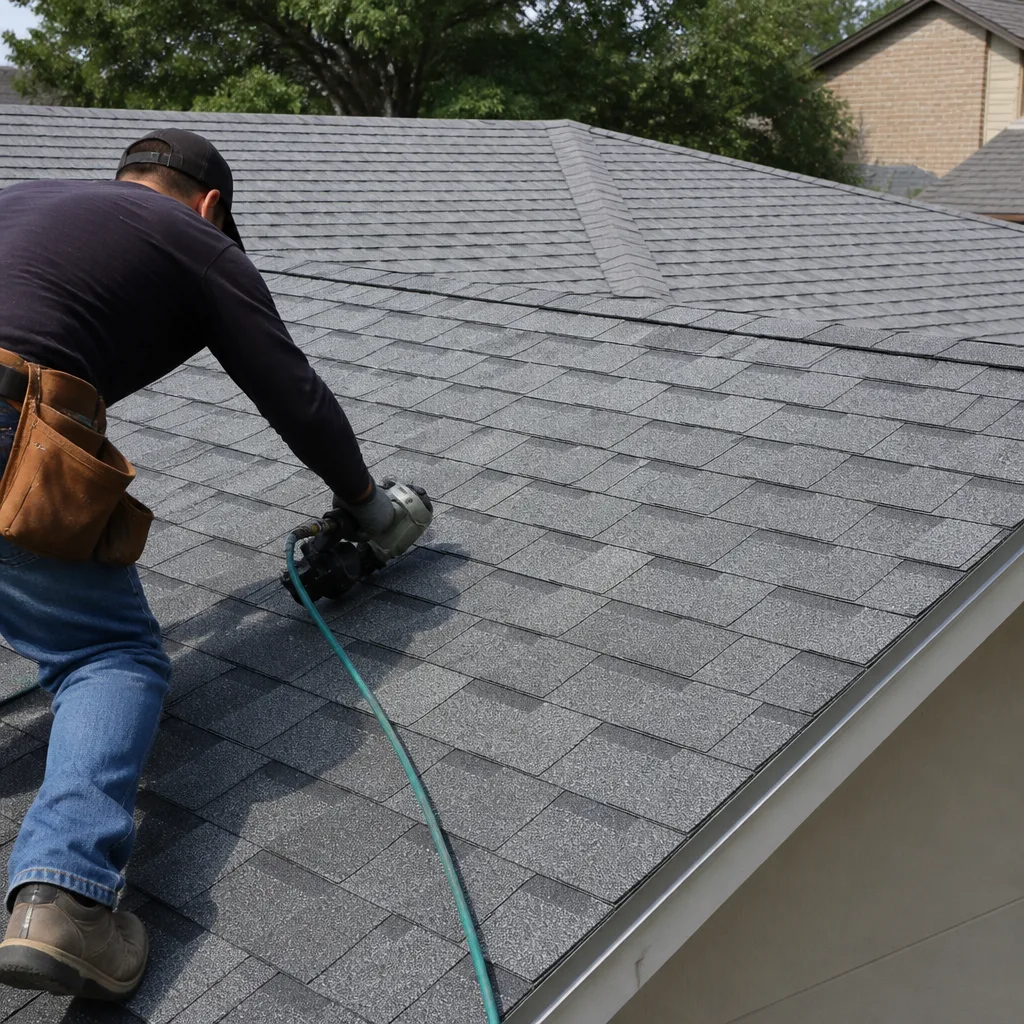 After
After