
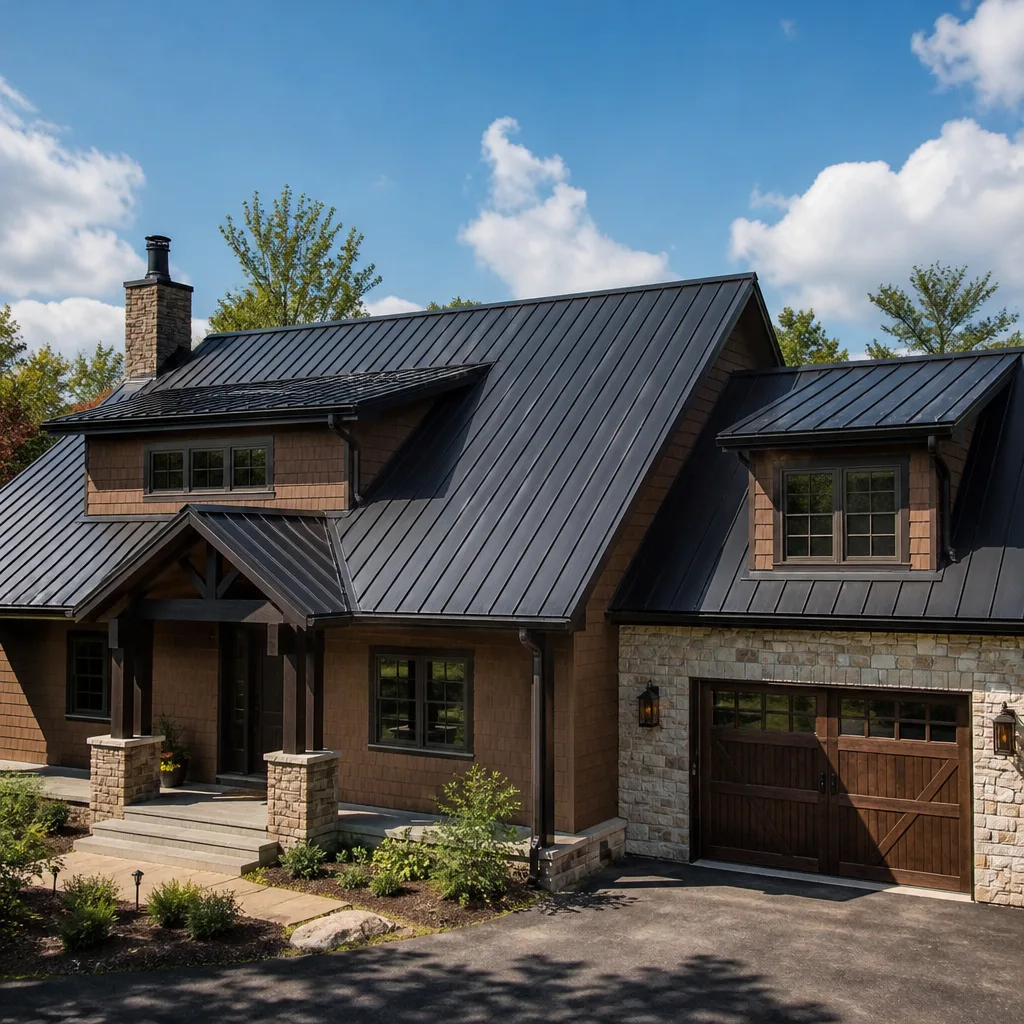
 Metal roofing
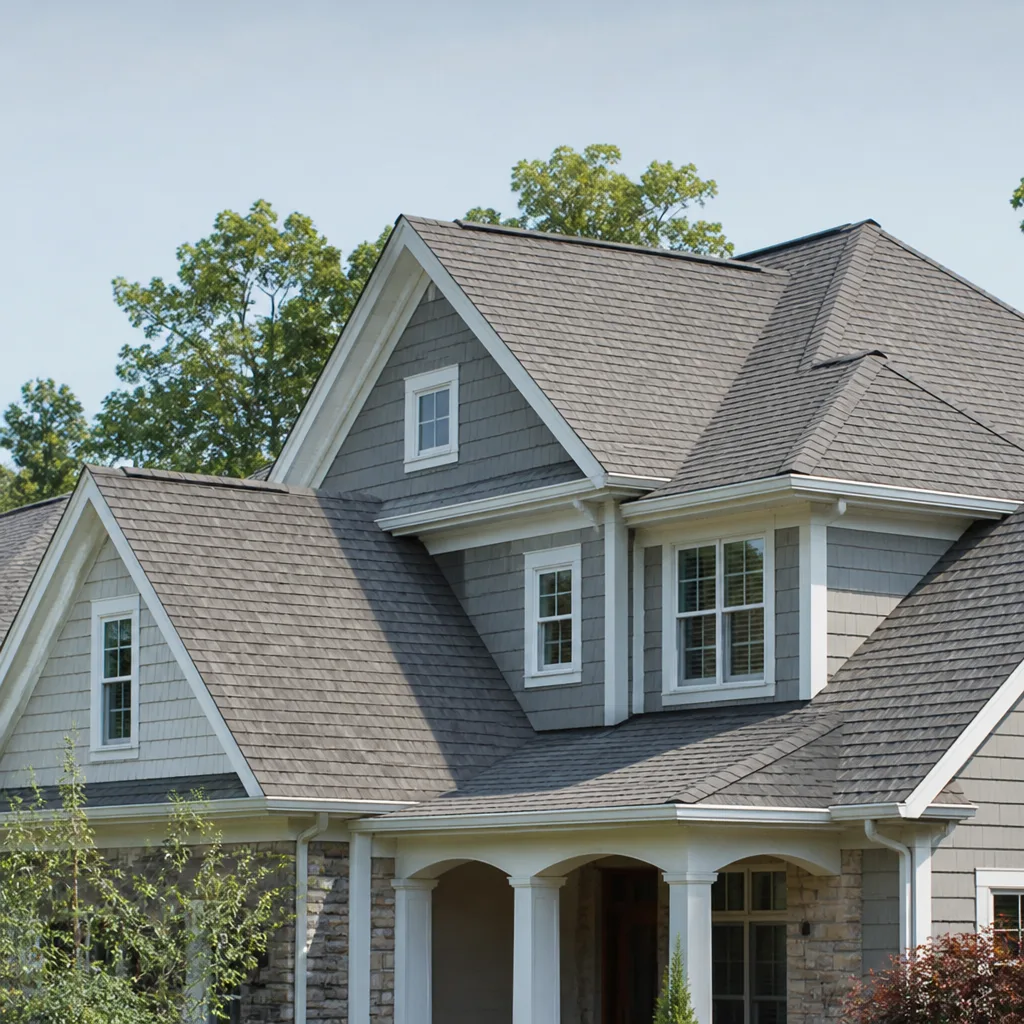 Architectural shingles
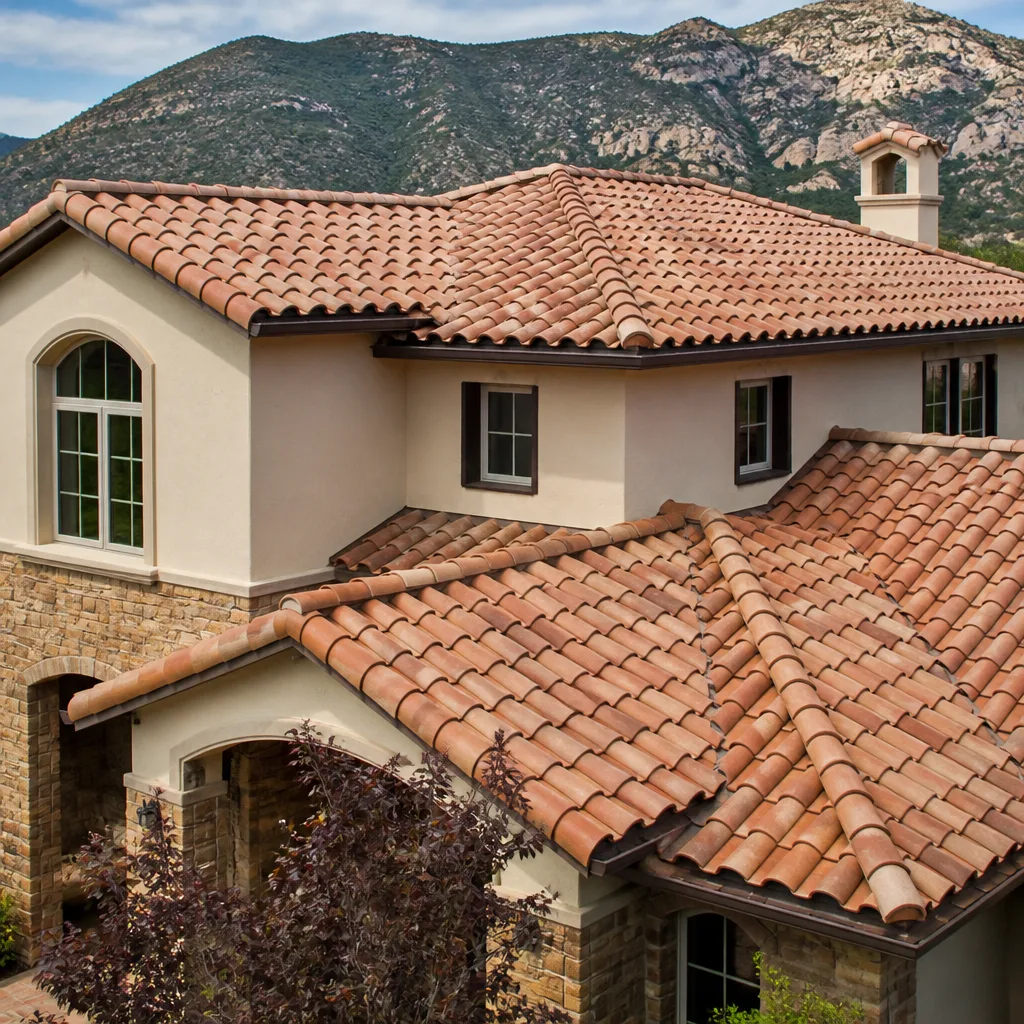 Tile roofing
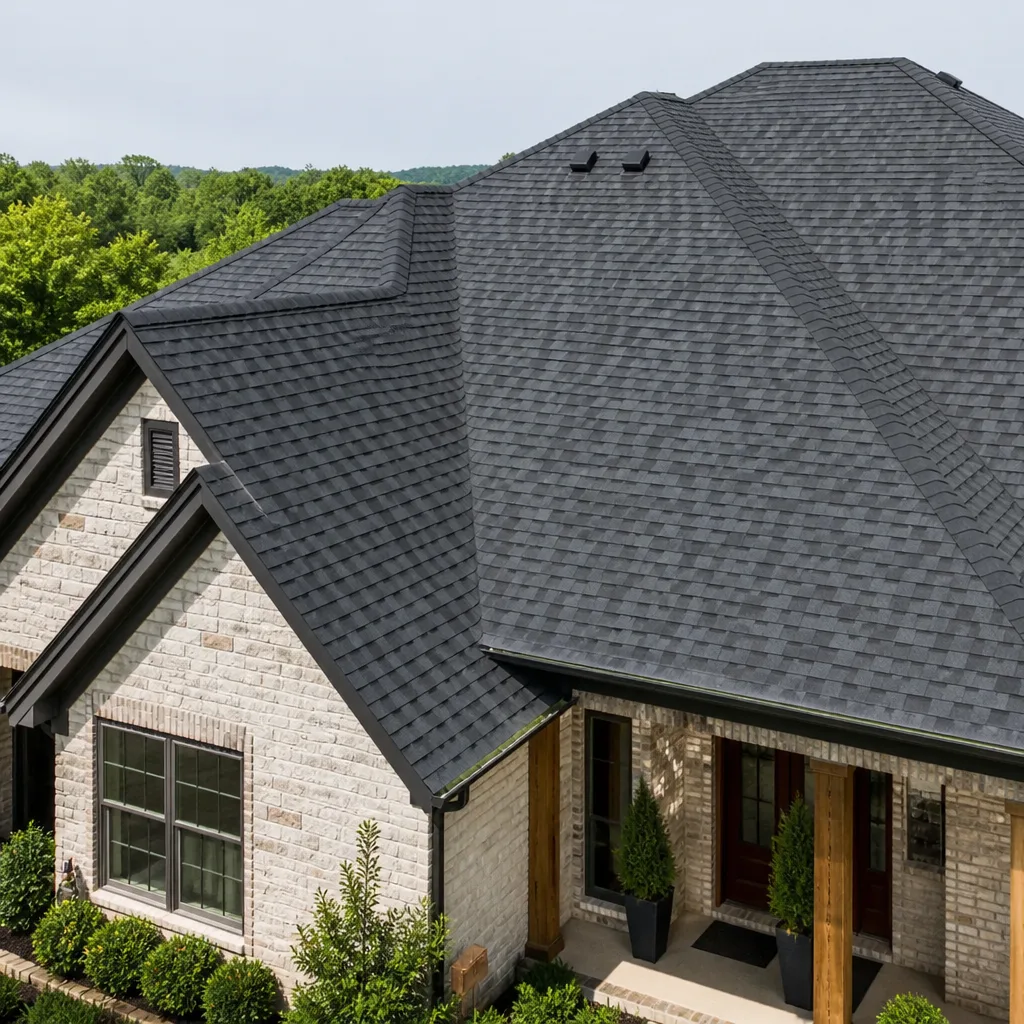 GAF
GAF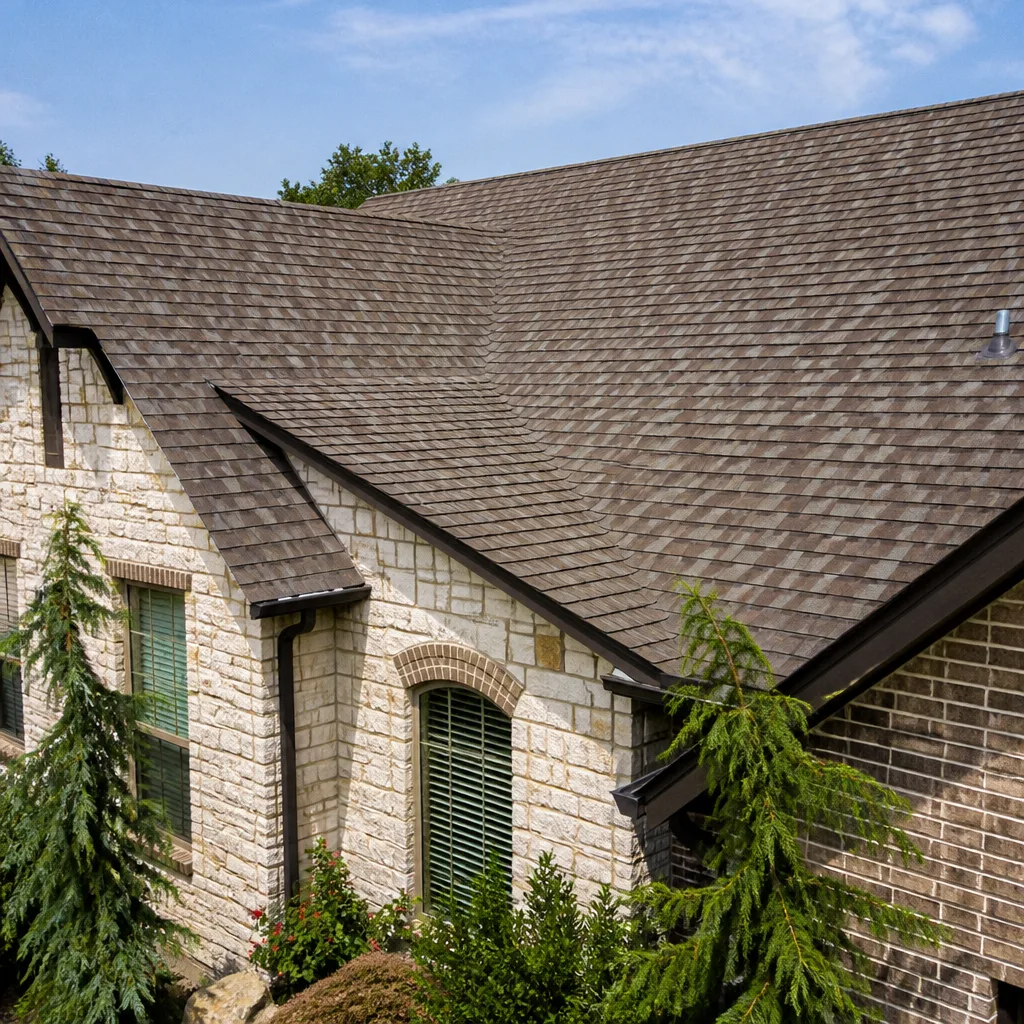 Owens Corning
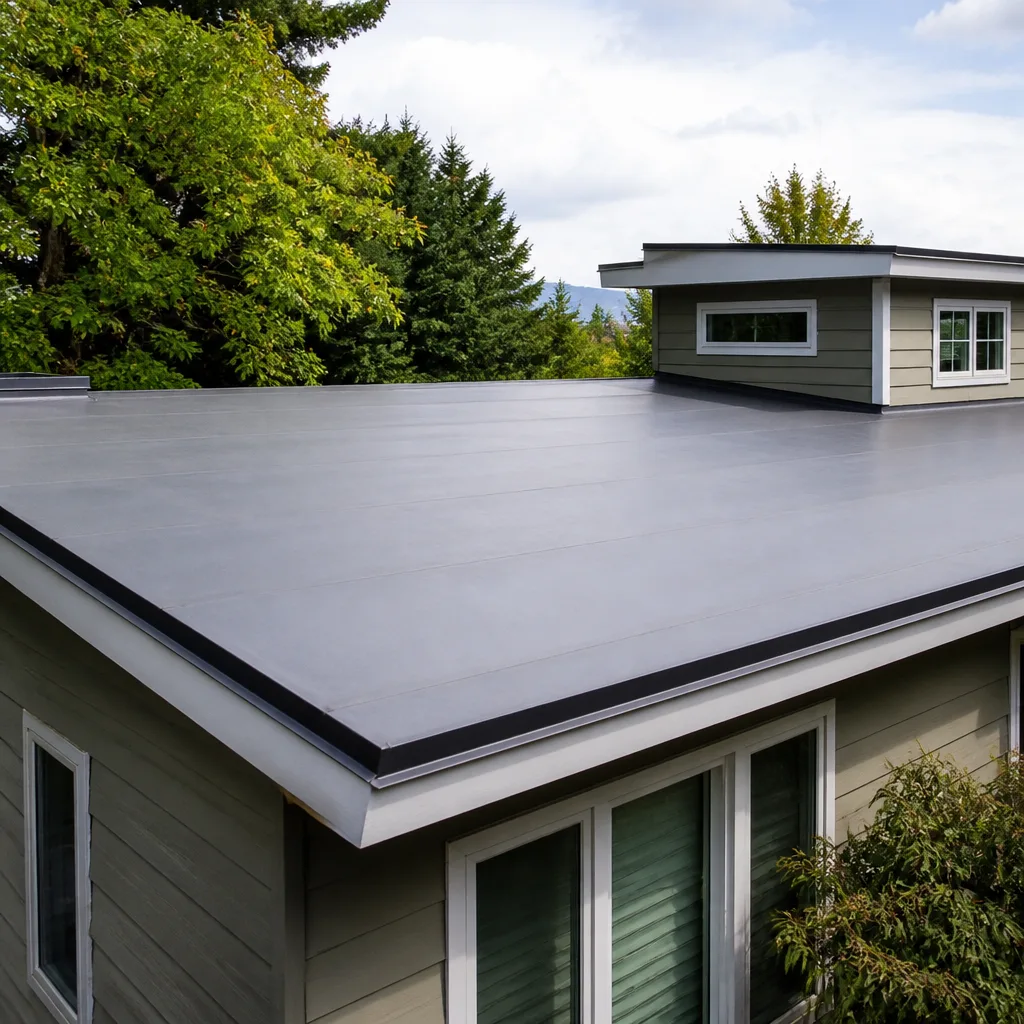 Flat & low-slope
Free roof inspection with deck photos before we talk money - GAF and Owens Corning certified installation
GAF Flashing Replacement: The Fort Worth Owner’s Guide
GAF flashing replacement in Fort Worth typically runs $350 to $900 installed for a single penetration point like a pipe boot, chimney corner, or step flashing section. That includes the flashing material matched to your GAF shingle profile, removal of the failed piece, proper sealing, and a written warranty. You’ll usually see us same week, not same day, because flashing work has to be done in dry weather with a clean deck surface.
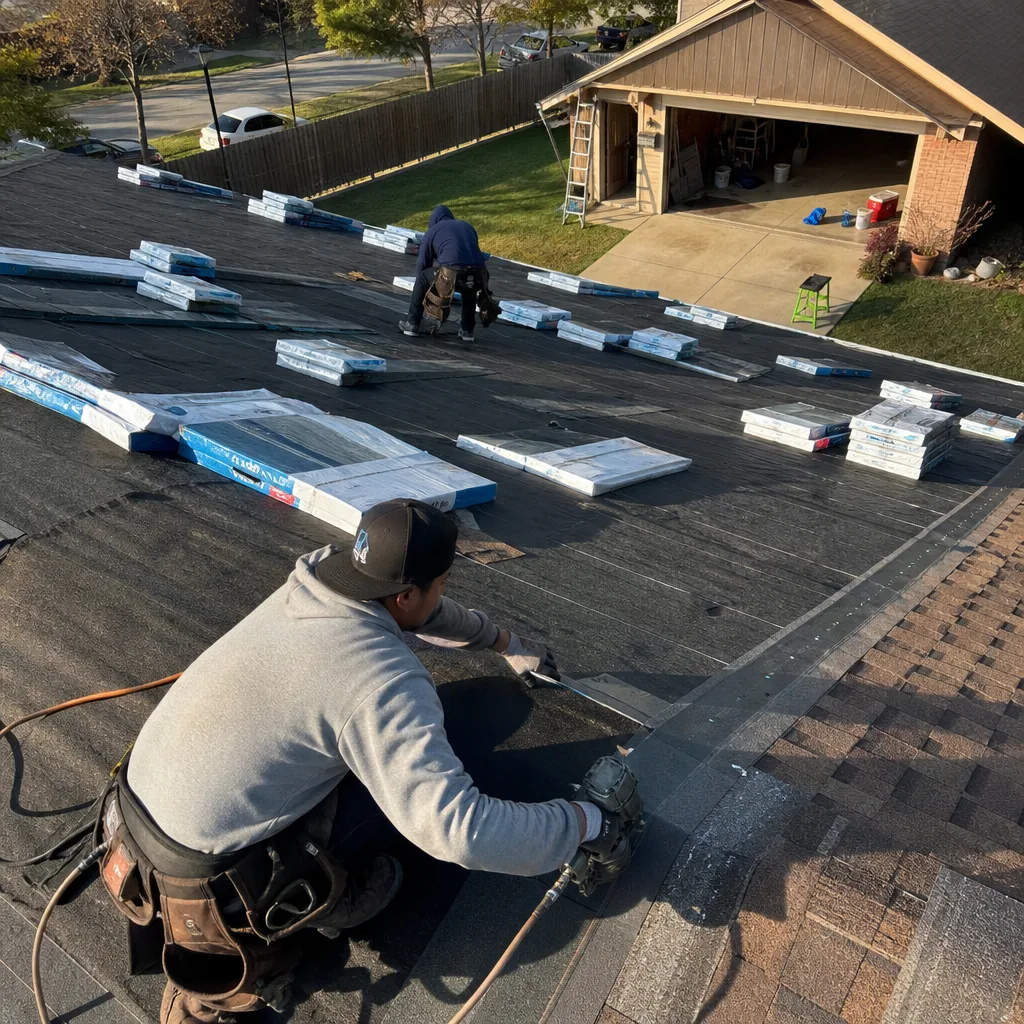
Most homeowners discover a flashing problem the ugly way: a brown stain on the ceiling, a drip during a hard Fort Worth thunderstorm, or granules collecting in the gutter below a valley. Flashing fails quietly. It’s thin metal doing a thankless job, and by the time water shows up inside, the failure has usually been active for months. The good news is that flashing replacement is a contained repair. If the decking underneath is still solid, you’re not looking at a roof replacement. You’re looking at a Saturday-morning-sized job, not a second mortgage.
Which GAF Models This Applies To
Flashing is not universal, and that’s where we see other roofers cut corners. GAF shingles come in specific profiles: Timberline HDZ, Timberline UHDZ, Royal Sovereign, and the newer Timberline Solar line. The flashing that sits under Timberline HDZ in Fort Worth is cut and stepped to that shingle’s exposure and thickness. It’s not interchangeable with what you’d use under a CertainTeed Landmark or a cheaper three-tab. The metal has to match the shingle’s butt profile, or you get a hump, a gap, and eventually a leak.
Here’s the compatibility gotcha that matters most: step flashing for GAF architectural shingles is typically 4 inches by 4 inches by 8 inches, but the gauge varies by local code and the shingle’s weight class. GAF Timberline HDZ runs about 100 pounds per square when it’s a Class 3 impact-rated bundle, and that weight puts real pressure on flashing over time. We’ve seen Fort Worth homes where someone installed 26-gauge flashing under a heavy architectural shingle, and the metal started to oil-can within five years. We stock 24-gauge aluminum and 26-gauge steel on the truck, cut to match GAF’s profile, and we’ll show you the difference before we install it.
For the OEM versus aftermarket question: GAF doesn’t manufacture their own flashing in the way they manufacture shingles. What you’re really buying is gauge, material, and profile-compatibility. A quality 24-gauge aluminum step flashing is going to perform as well as anything with a GAF part number on it, and it costs less. The place where OEM matters more is with GAF’s proprietary accessories: their Cobra ridge vent flashing, their EZ-Rig pipe collars, and Solaris system components. Those we order direct.
Crestview Roofing Co Fort Worth is an independent roofing company. We install and repair GAF products, but we’re not a GAF corporate entity or a factory-owned installer.
Styles & brands we work with
Signs Your GAF Flashing Replacement Is Failing
- Ceiling stains below a chimney or wall intersection. This is the classic step flashing failure. Each step flashing piece laps the one below it, and when one piece lifts or corrodes, water walks right down the wall line. The stain usually appears first at the seam where the wall meets the ceiling, not in the middle of the room.
- Damp drywall around a roof vent pipe. Pipe boot flashing has a rubber collar that shrinks and cracks in Texas heat. After about seven to ten summers in Fort Worth, that rubber is brittle and split. The metal base is still fine, which is why a $90 pipe boot replacement saves you a $1,400 drywall repair.
- Granules washing down the valley during rain. Valleys are where two roof planes meet, and they channel more water than any other part of the roof. When valley flashing is exposed or mislapped, shingle granules erode fast. You’ll see a line of bare asphalt and a trail of granules in your gutter.
- Daylight visible in the attic around a skylight or dormer. If you can see light, water can get in. Flashing around skylights is notoriously finicky. GAF doesn’t manufacture skylights, so the flashing is almost always a third-party piece, and if it wasn’t properly integrated with the GAF underlayment, it leaks at the corners first.
- Rust streaks running down the roof slope from a chimney or vent. Galvanized steel flashing eventually rusts in North Texas, especially when it’s in contact with treated wood or where water pools. Rust is a visual indicator that the metal is thinning and will fail structurally within a season or two.
See the difference
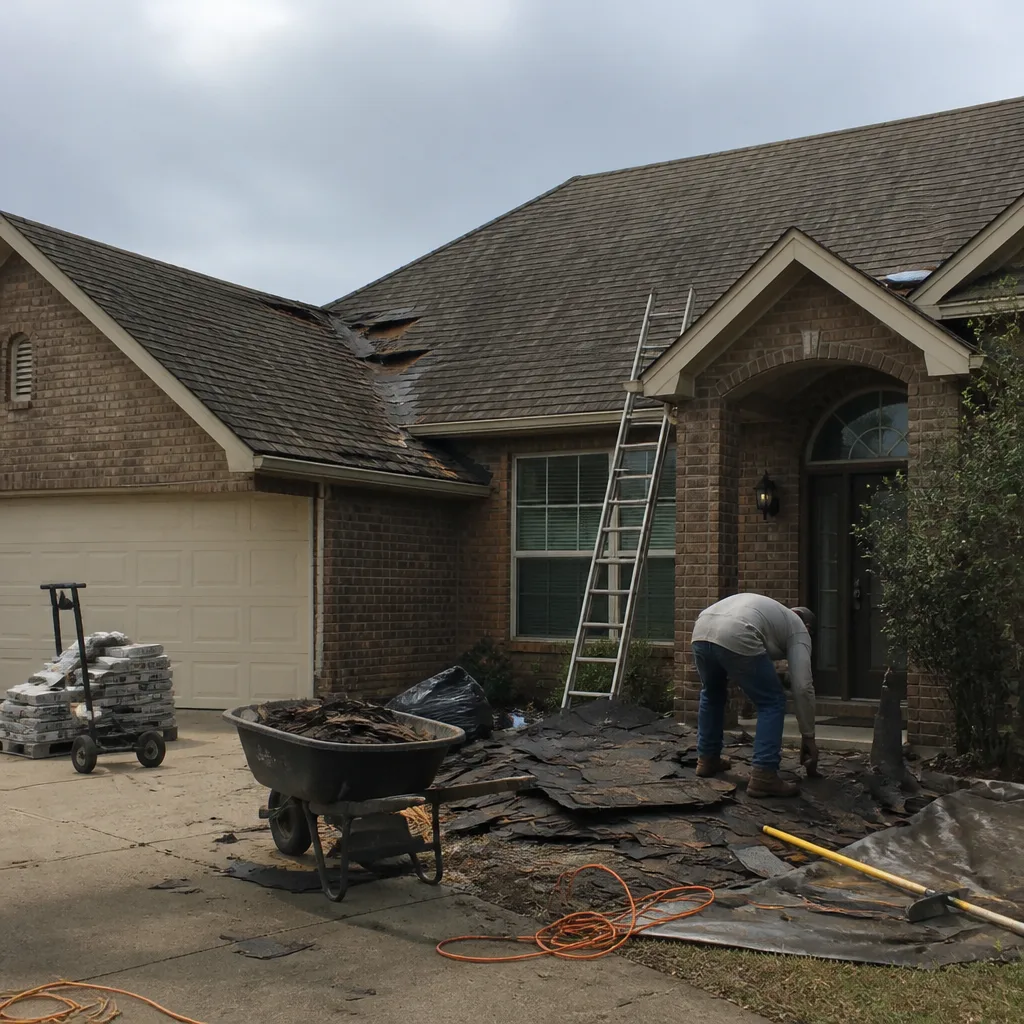 Before
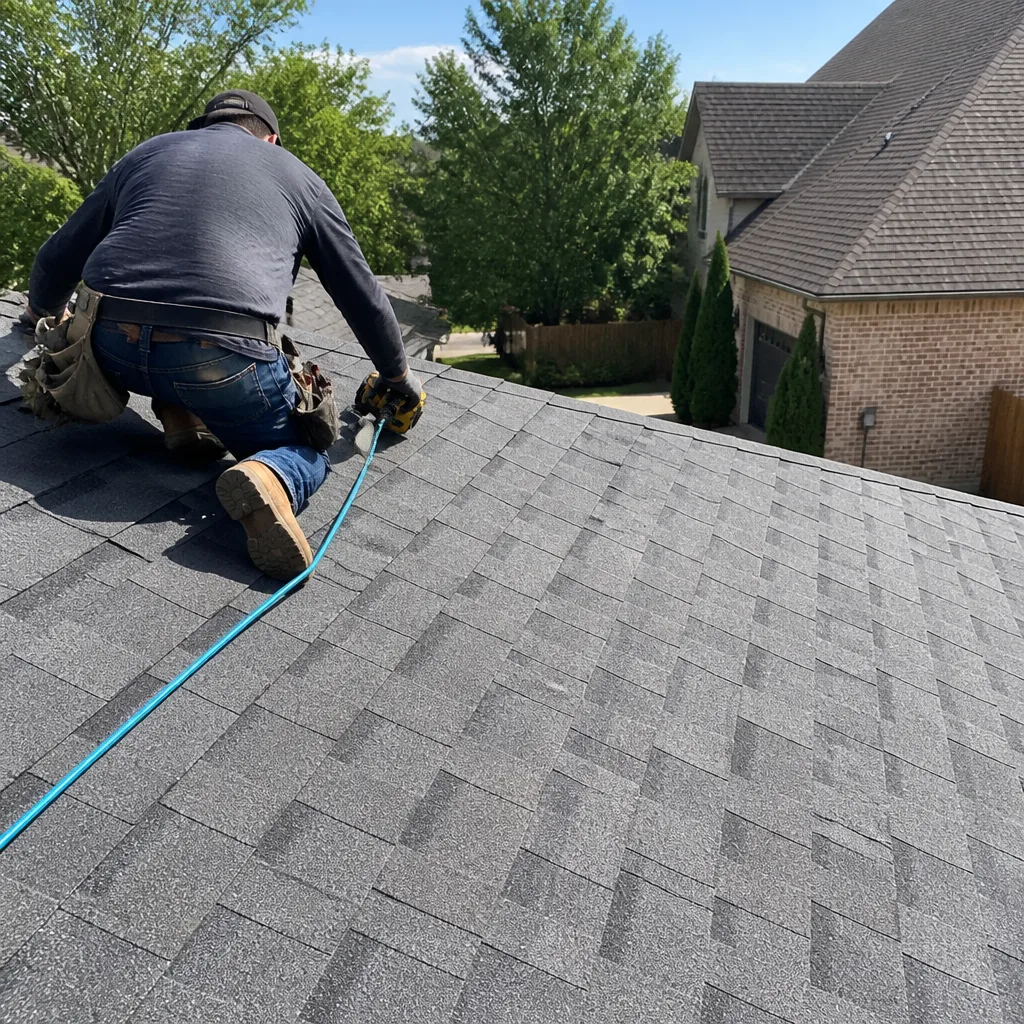 After
After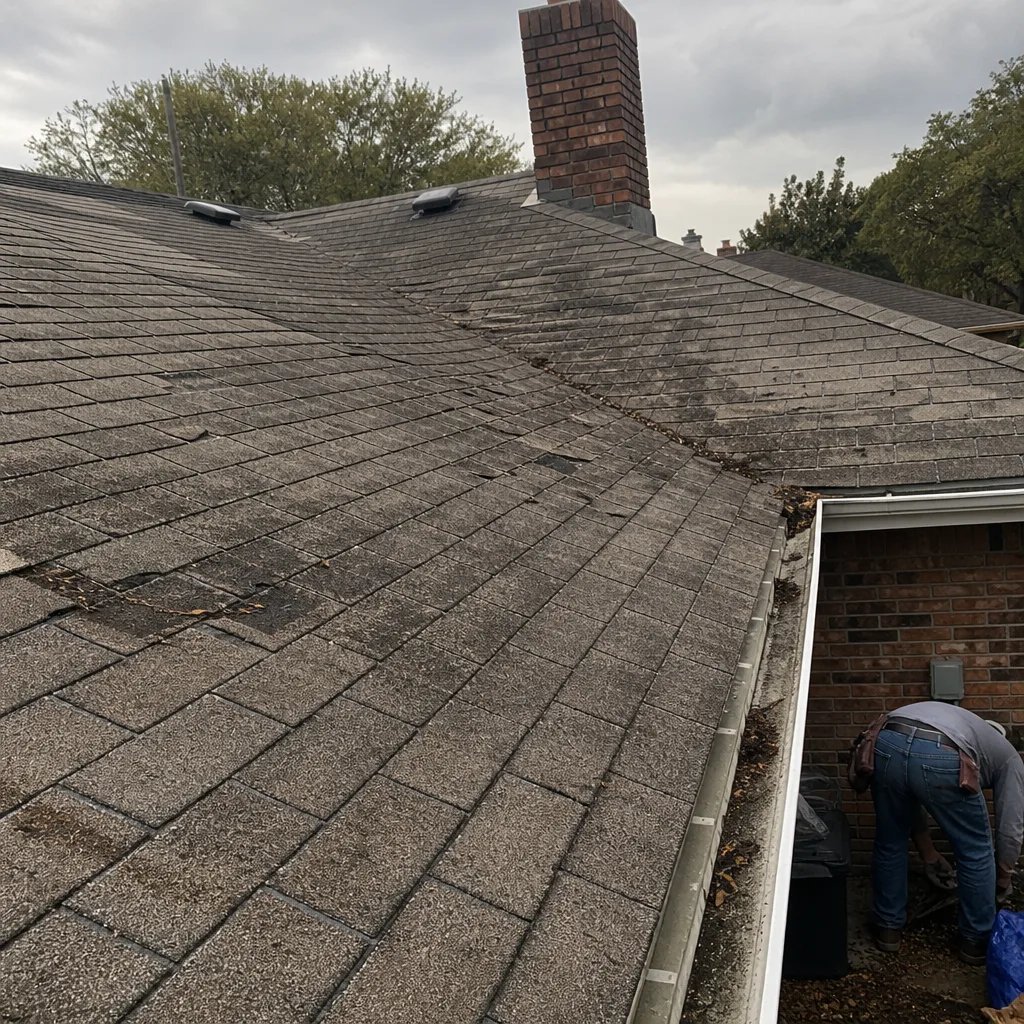 Before
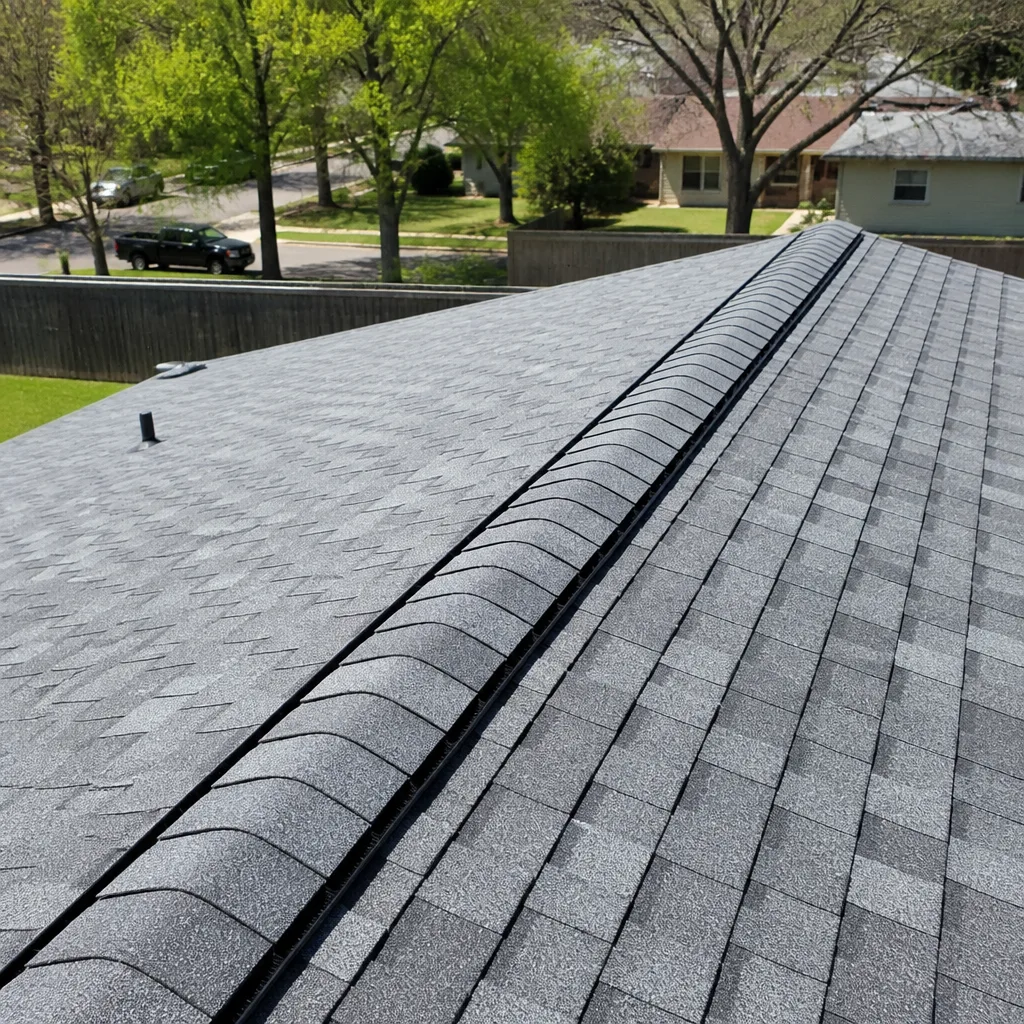 After
After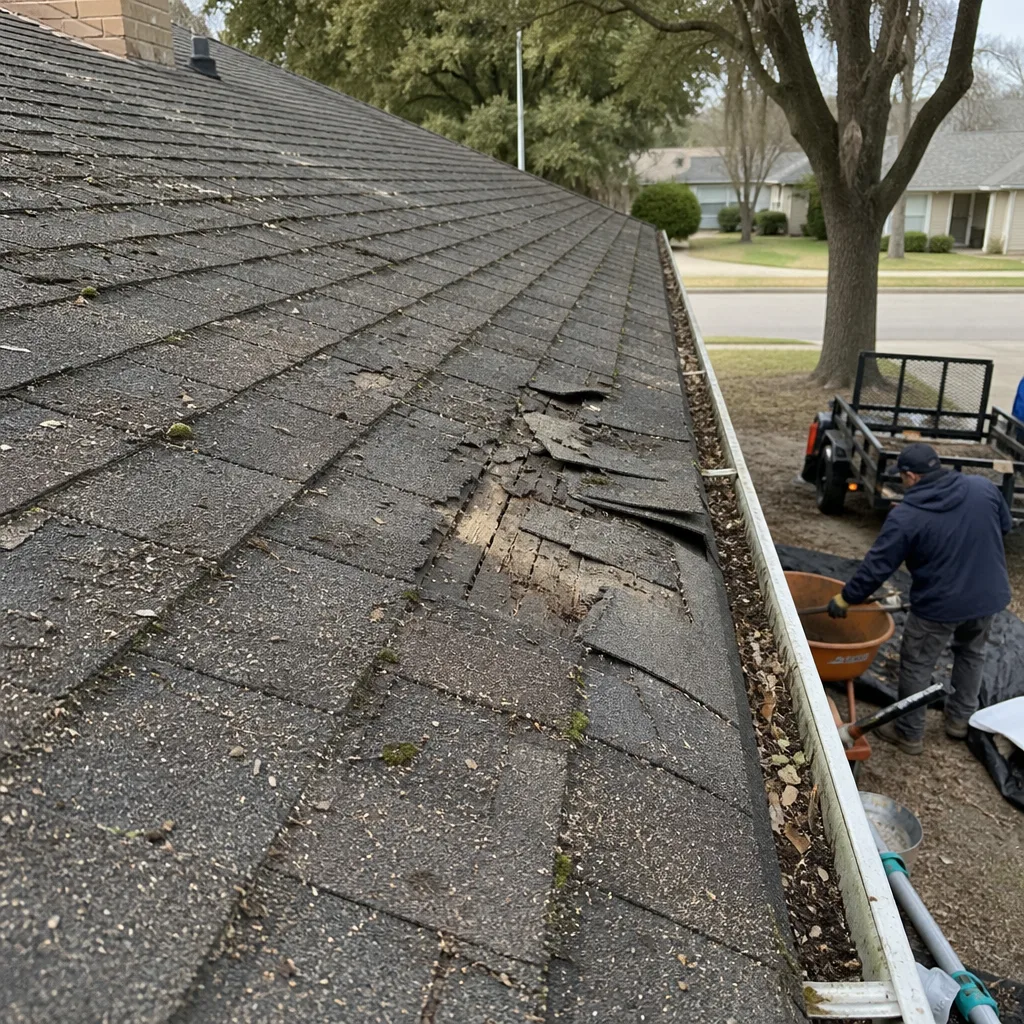 Before
 After
AfterReplacement Cost & What’s Included
Here’s what we quote in Fort Worth, in writing, before any work starts:
- Pipe boot flashing replacement: $350 to $500 installed. Includes new 24-gauge aluminum boot matched to pipe size, removal of the old collar, and resealing with GAF-compatible sealant.
- Step flashing section (chimney, wall, or dormer): $450 to $700 installed per side. Price varies with height, accessibility, and how many courses of shingles we have to lift and rebed.
- Valley flashing replacement: $600 to $900 installed for a standard valley. This one is more labor-intensive because we’re opening a high-flow water path and re-laying shingles over the new metal.
- Standard roof penetration inspection with minor flashing tune-up: $225 to $400, depending on how many penetrations you have and whether we’re replacing sealant or the flashing itself.
Every quote includes the metal, the sealant, the labor, the cleanup, and the 365-Day Done Right Promise in writing. If the flashing we install fails within 365 days, we come back and fix it at no charge. That’s not a verbal promise. It’s on the invoice, and it’s on our website. Dylan Pace’s rule applies here: put it in writing or don’t bother saying it.
What drives the price up in Fort Worth specifically? Roof pitch. A 8/12 or 10/12 roof around the TCU area or the Cultural District means our crew is working on harnesses, not just standing on the deck. That adds time and safety equipment cost. Steep roofs are not a place to save money on flashing work. The labor cost of doing it twice is always more than doing it right once.
DIY or Call Us?
You can safely check a few things yourself. Look at your pipe boots from the ground with binoculars. Check the attic for daylight. Look for rust streaks. Those are visual inspections that don’t put you on a ladder.
What we don’t recommend is opening up shingles on a Fort Worth roof to swap flashing yourself. This is not a high-tension part like a garage door spring, but it is a waterproofing system. When you lift shingles to slide new flashing underneath, you’re breaking the seal strips that hold the roof together. If you don’t rebed those shingles properly with the right sealant and nail placement, you’ve created the exact leak you were trying to fix. And on a two-story roof in July, the heat is genuinely dangerous. We’ve had homeowners fall from one-story roofs doing what they thought was a thirty-minute job.
If you want to replace a pipe boot on a single-story roof and you’re comfortable on a ladder, it’s a doable weekend project with a $50 part. If it’s step flashing, valley flashing, or anything on a steep pitch, call us at (682) 730-3548 for a free estimate. We’ll bring the right gauge metal, the right sealant, and the harnesses.
FAQs
Aluminum flashing typically lasts 20 to 30 years in Fort Worth’s climate, while galvanized steel runs 12 to 20 years depending on gauge and exposure. The rubber collars on pipe boots fail faster than the metal, usually around year 7 to 10. When we replace flashing, we install materials rated to outlast the shingle above them. Call (682) 730-3548 and we’ll tell you exactly what’s on your roof right now and what’s left in it.
Sometimes. A small rust spot or a pulled nail can be sealed temporarily, but if the metal is corroded through or the lap is failing, sealant is just buying you a few months. Flashing is cheap relative to the water damage it prevents. For most Fort Worth homes, replacement is the cheaper long-term choice. We’ll give you an honest assessment and a written price either way, no pressure.
Most single-penetration flashing replacements are done in two to four hours. Step flashing along a chimney or wall takes half a day. A full valley replacement can take most of a day. Weather is the wildcard in Fort Worth: we schedule flashing work for dry days with low wind, which means we set a window and work around thunderstorms, not through them.
Yes. We stock 24-gauge aluminum step flashing, 26-gauge galvanized steel, pipe boots in common sizes, and GAF-compatible sealant and underlayment on every truck. If your project needs a proprietary GAF accessory like Cobra ridge vent flashing or EZ-Rig collars, we order that direct and it’s usually in within a few days. We also stock compatible flashing profiles for Owens Corning and CertainTeed roofs, so if you’re not sure what shingle you have, we can match it on site.
If you’ve got a flashing issue in Fort Worth, call (682) 730-3548. We’ll send a real person, with a real arrival time, a written price before work starts, and photo documentation of everything we do. No four-hour windows, no balloon pricing, no disappearing after the check clears. That’s the Relay Visibility Guarantee, and it’s the only way we work.
Written by Dylan Pace, Owner, Crestview Roofing Co Fort Worth at Crestview Roofing Co Fort Worth, serving Fort Worth and nearby areas.