
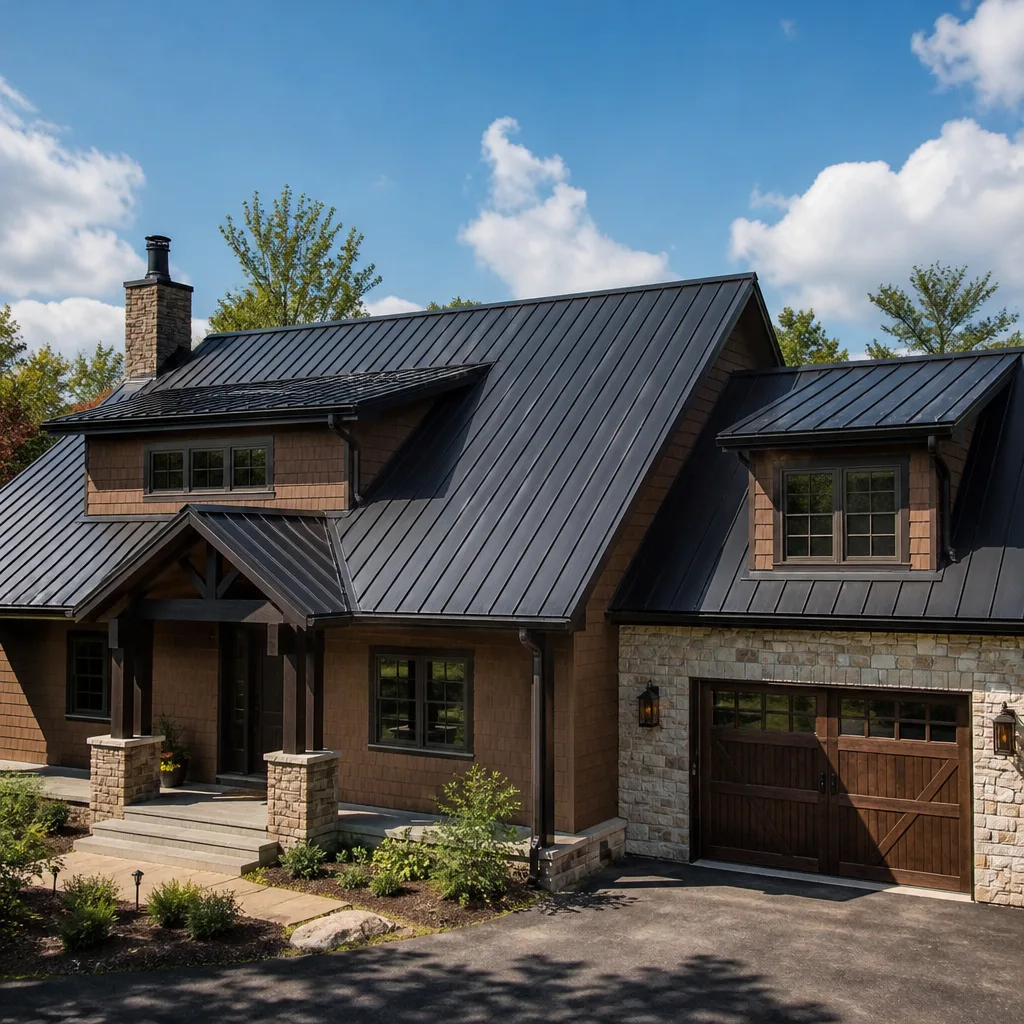
 Metal roofing
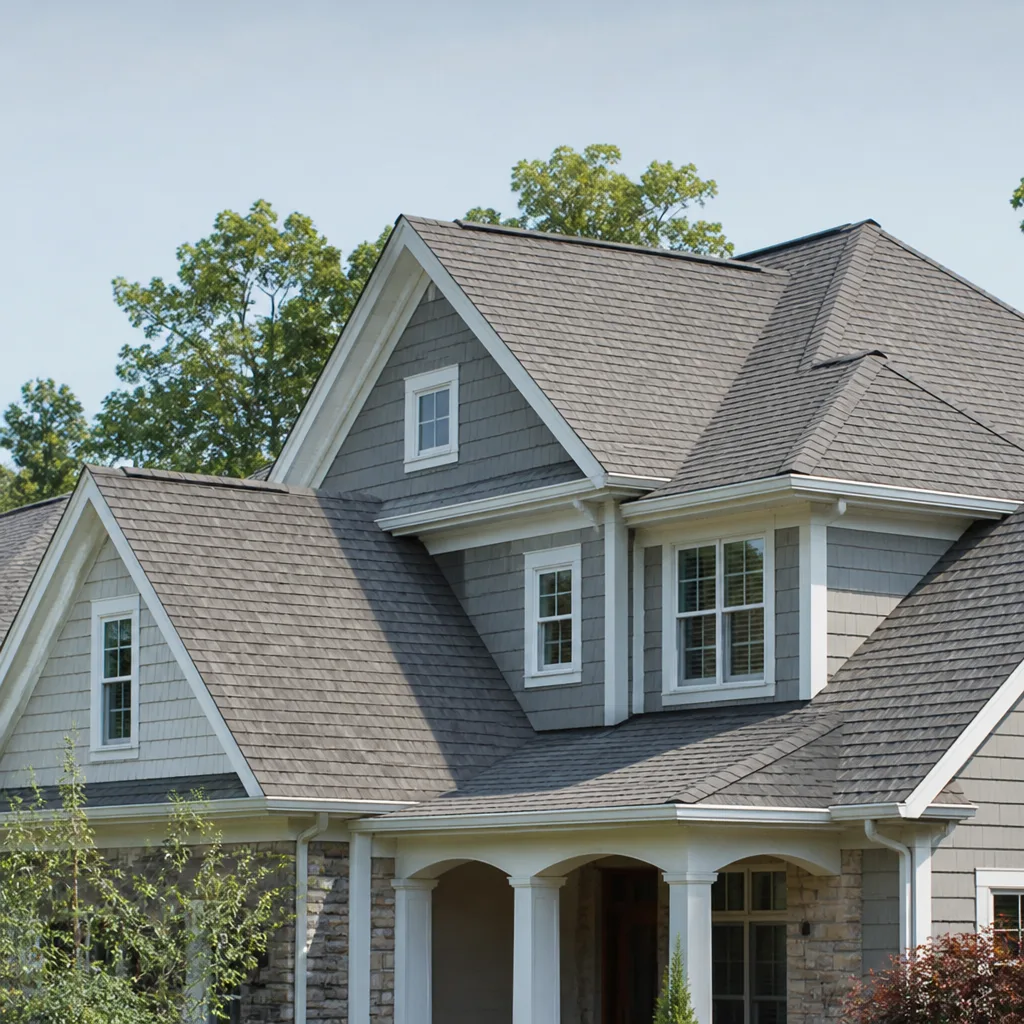 Architectural shingles
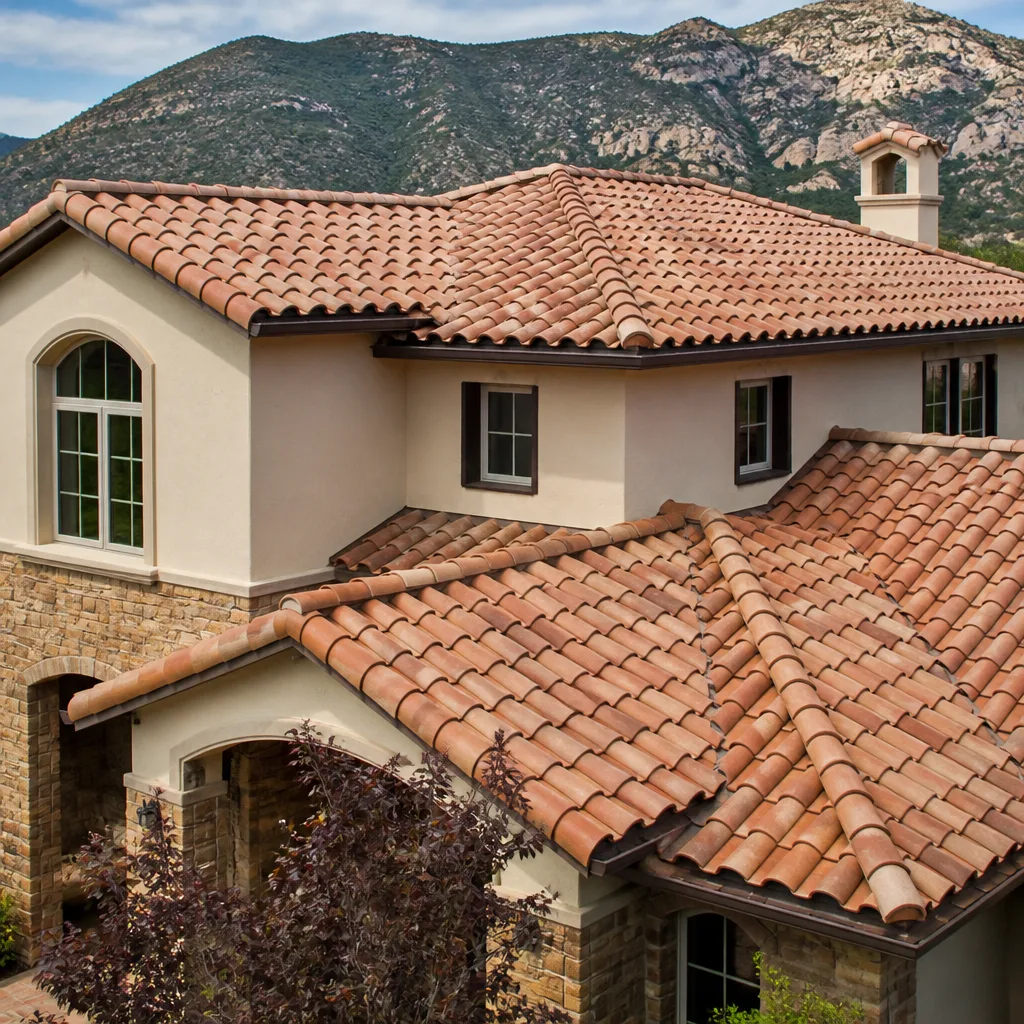 Tile roofing
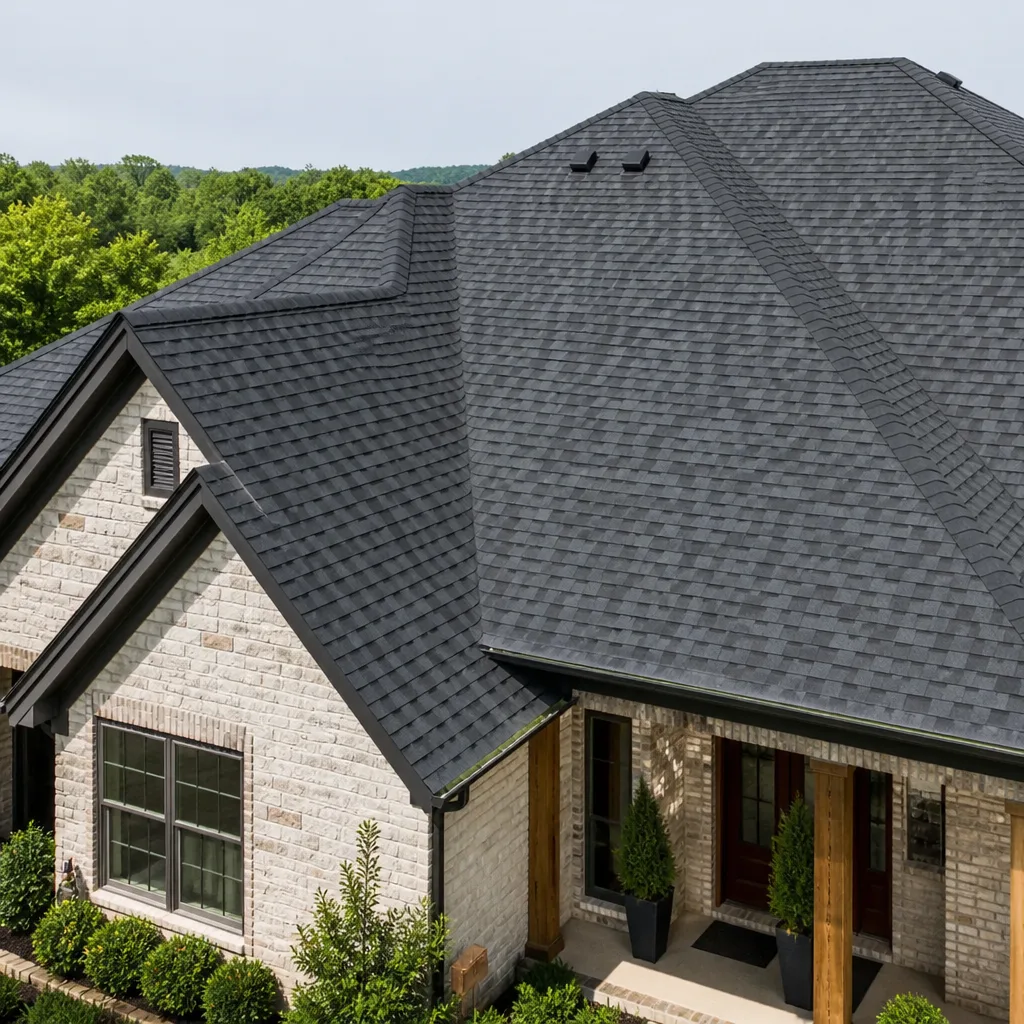 GAF
GAF Owens Corning
 Flat & low-slope
Free roof inspection with deck photos before we talk money - GAF and Owens Corning certified installation
Tamko Ridge Vent Installation: The Fort Worth Owner’s Guide
If your Tamko ridge vent is cracked, leaking, or pulling away from the roof line, here’s the short answer: we stock Tamko-compatible ridge vent materials on our trucks and install them throughout Fort Worth, with most ridge vent replacements running $425 to $850 depending on linear footage and roof accessibility. Most Fort Worth homeowners can get this done within three to five business days of the estimate, and we’ll put the exact price in writing before we touch a single shingle.
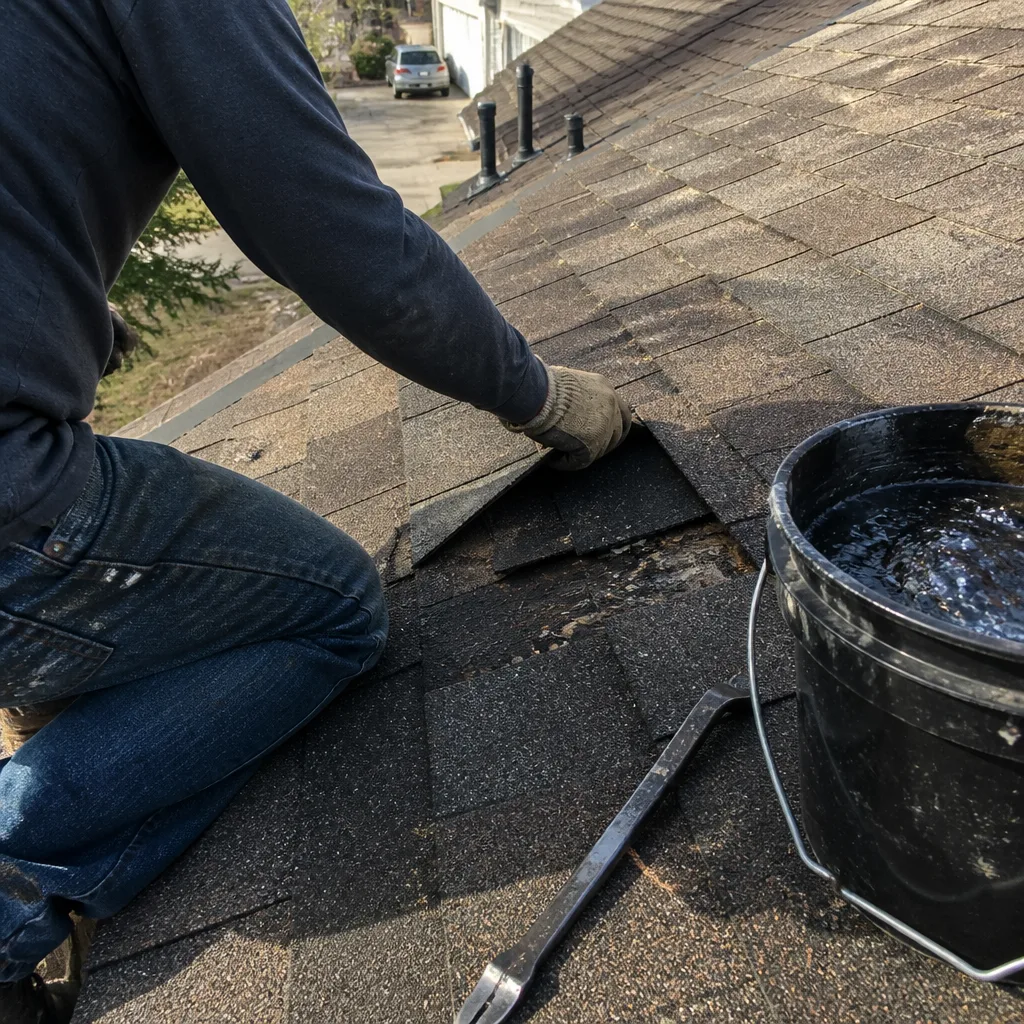
How most owners discover the problem? It’s rarely dramatic. A ceiling stain near an exterior wall, water in the attic after a driving spring storm, or a neighbor pointing out that the vent looks “sunken” along the ridge line. By the time you see it from the ground, the weather has usually been working on it for a season or two. Fort Worth’s May hail and August heat cycles are hard on plastic ridge vents, and we see Tamko units fail the same way every time: UV embrittlement at the nail line, then cracking, then water.
Key takeaways:
- Tamko ridge vents crack at the nail line first – not from impact, but from heat cycling in Texas sun.
- Installed replacement pricing in Fort Worth runs $425 to $850 for most single-family homes.
- We bring Tamko-compatible vent material on the truck and can match your existing shingle profile on the first visit.
- Every repair includes our 365-Day Done Right Promise, in writing.
One thing up front: Crestview Roofing Co Fort Worth is an independent roofing contractor. We install and repair Tamko products every week, but we’re not affiliated with Tamko Building Products. That means we can tell you the truth about what works without a sales rep in the room.
Which Tamko Models This Applies To
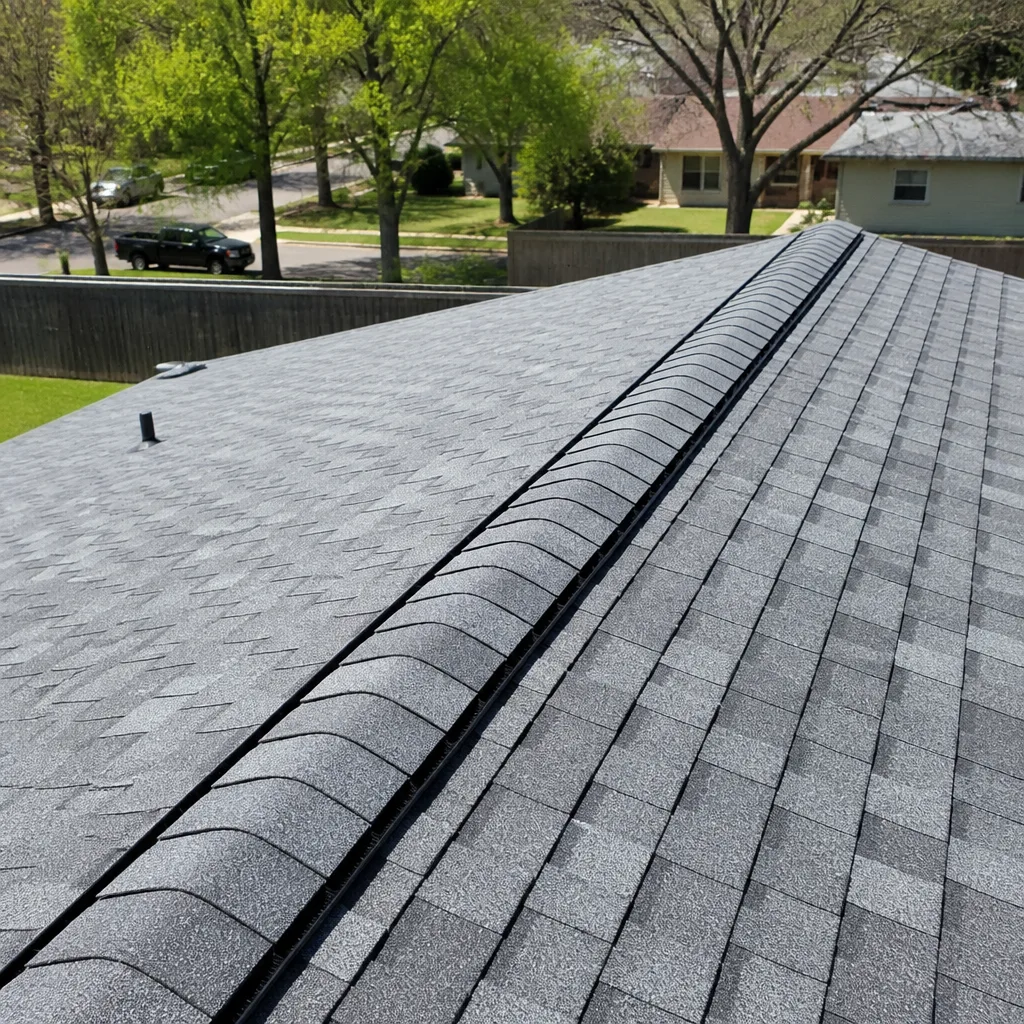
Tamko ridge vent systems fall into two main lines: the Tamko Titan Ridge Vent and the Tamko Rapid Ridge. The Titan is the one we see on most Fort Worth re-roofs from the last 10 to 15 years – it’s a rigid plastic profile with an internal weather filter, and it gets installed under Tamko’s cap shingles or a standard 3-tab cap.
Here’s the compatibility gotcha most homeowners don’t know: the Titan vent profile was redesigned around 2018, and the older profile has a slightly narrower filter channel. If you buy a new Titan section and try to splice it into an older run, you’ll get a visible seam where the two profiles don’t align, and the filter won’t seat properly. We keep both profiles in our Fort Worth inventory specifically so we can match years correctly.
For the Rapid Ridge, the key spec is the net free area – Tamko rates it at 18 square inches per linear foot, which matters for attic ventilation math. A 40-foot ridge with Rapid Ridge moves about 720 square inches of air, and if your soffit intake is undersized, you’ll still have a hot attic. That’s a Fort Worth-specific reality: a 105-degree August day puts attic temps at 140-plus, and an undersized or damaged vent pushes that higher, cooking your shingles from underneath.
How to identify which Tamko vent you have: look at the end cap. The Titan has embossed “Titan” lettering on the molded end piece. The Rapid Ridge has a lower, flatter profile and usually no end cap lettering. If you can’t tell from the ground, snap a photo of the ridge from a ladder or the garage roof and we can identify it from that.
On the OEM versus aftermarket question: for Tamko specifically, we recommend OEM when you can get it. Aftermarket profile riders exist, but the filter material and UV stabilizers differ, and a mismatched ridge vent is the first thing a home inspector flags when you go to sell. Fort Worth buyers are more inspection-savvy than they were a decade ago.
Styles & brands we work with
Signs Your Tamko Ridge Vent Installation Is Failing
- Water staining on the ceiling near exterior walls. This is the classic symptom, and it means water is getting in at the ridge and running down the framing. By the time it shows on sheetrock, the vent has been leaking for a while – usually weeks, occasionally months.
- Visible cracks along the nail line. Texas UV is brutal on plastic. We see Tamko vents with hairline cracks running from one nail to the next, especially on south-facing ridge runs. Once the crack connects two nail holes, the vent section loses structural grip and starts flapping in wind events.
- The vent profile looks wavy or “sunken” between rafters. This means the underlying wood sheathing has softened, usually from a smaller leak that’s been working quietly. The vent itself isn’t sagging – the deck it’s nailed to is giving way.
- Shingle cap lifting at the ridge in high wind. Fort Worth gets sustained 20-to-30 mph winds regularly in spring. If your cap shingles lift and reset, or lift and stay lifted, the vent underneath is compromised and the cap is the only thing holding on.
- Attic feels noticeably hotter than it used to. Ridge vents don’t “break” like a motorized fan, but a clogged filter or collapsed vent throat kills airflow. If your attic is 20 degrees hotter than it used to be in July, your vent isn’t moving air. That heat shortens shingle life across the entire roof, which is a much bigger bill down the road.
For reference, we also work on ridge vents from GAF, Owens Corning, and CertainTeed – if you’re not sure which brand you have, call us and describe what you see. We’ll help you figure it out without a service charge for the conversation.
See the difference
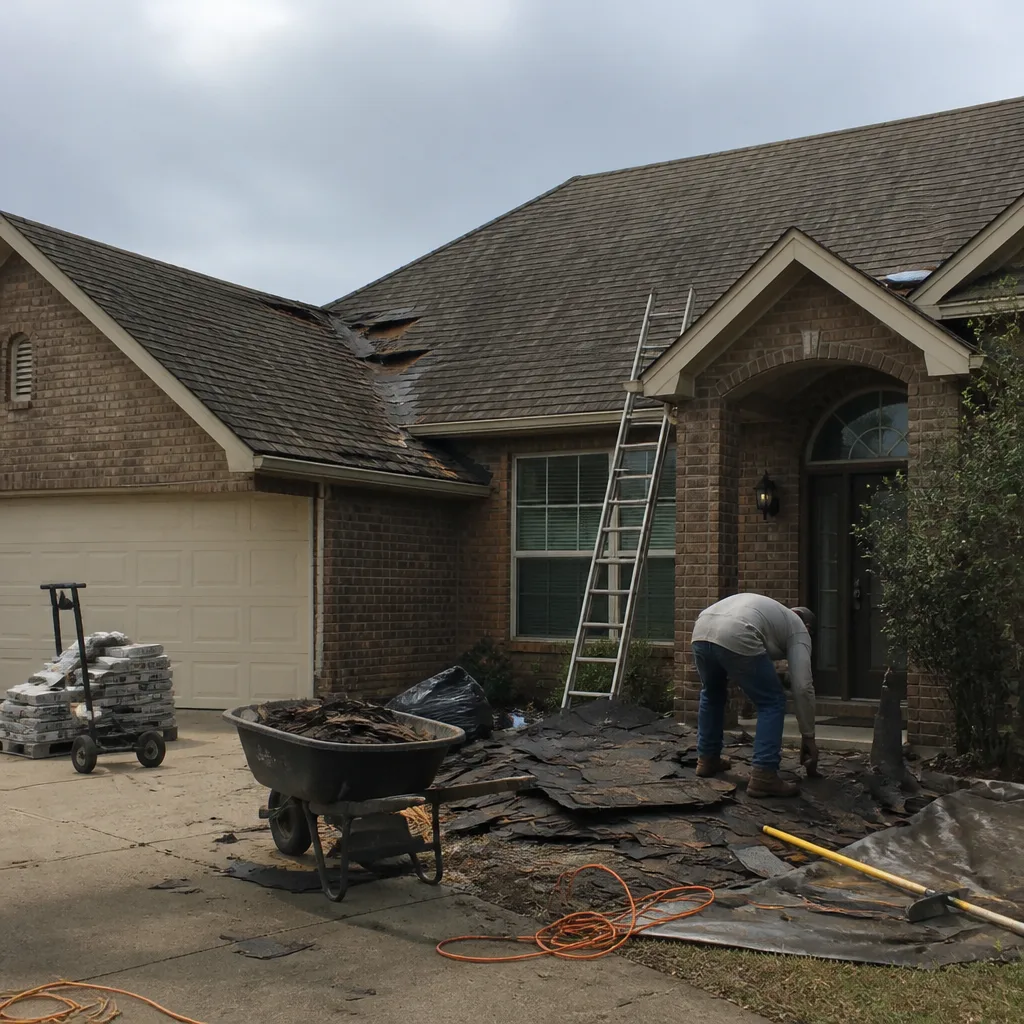 Before
 After
After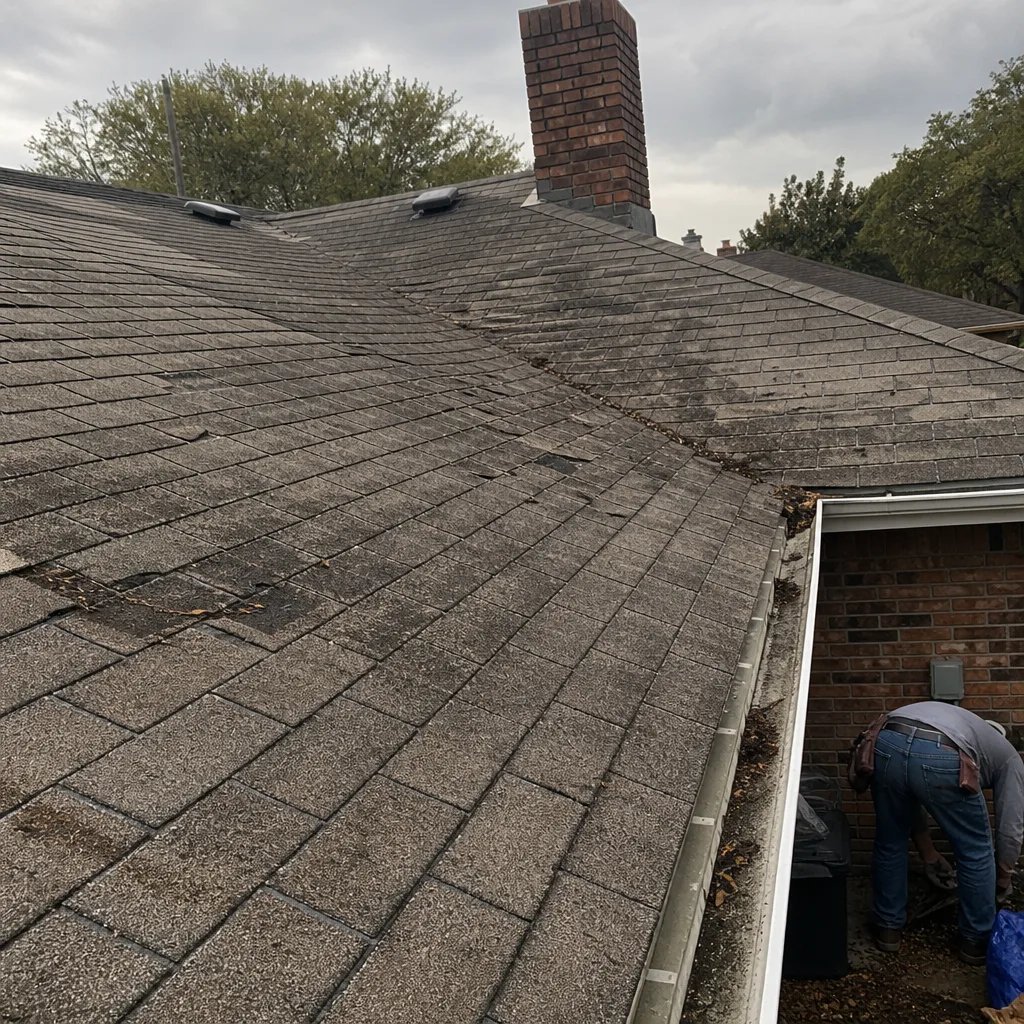 Before
 After
After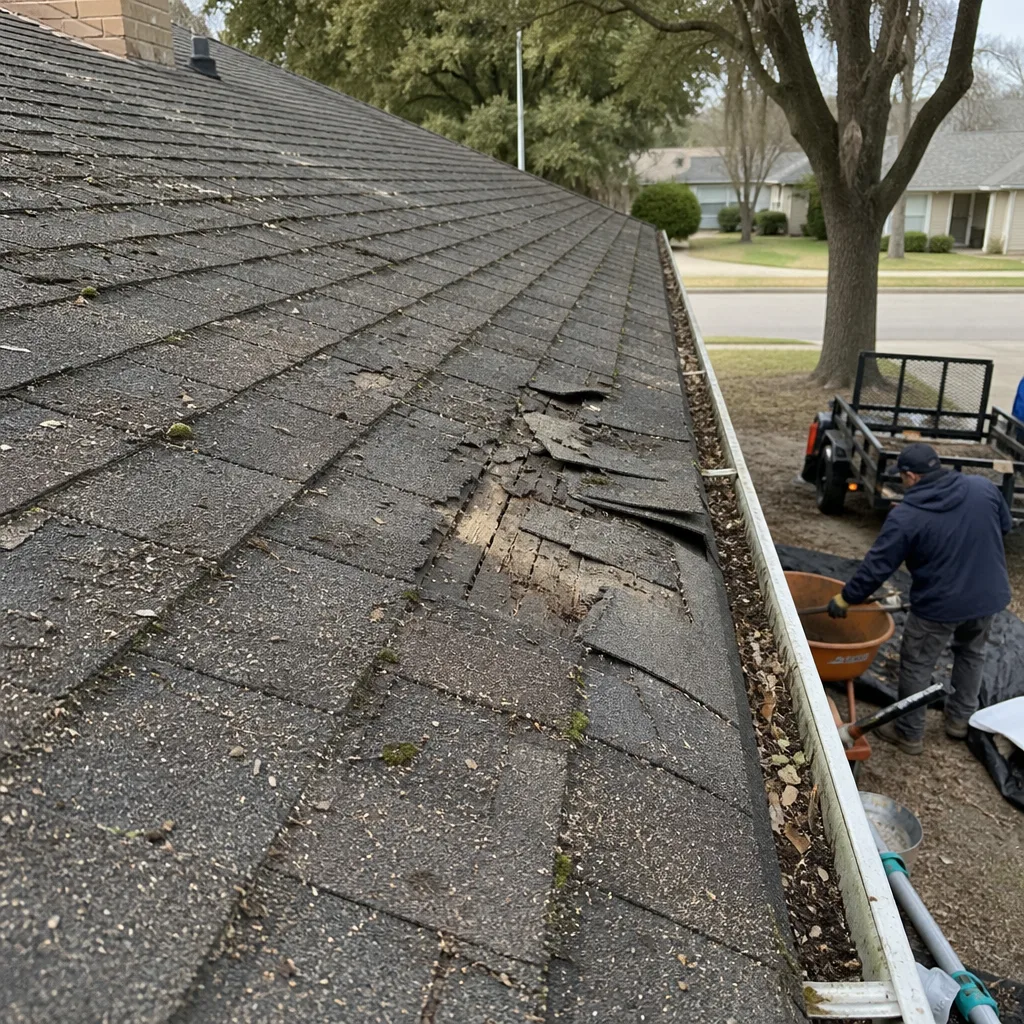 Before
 After
AfterReplacement Cost & What’s Included
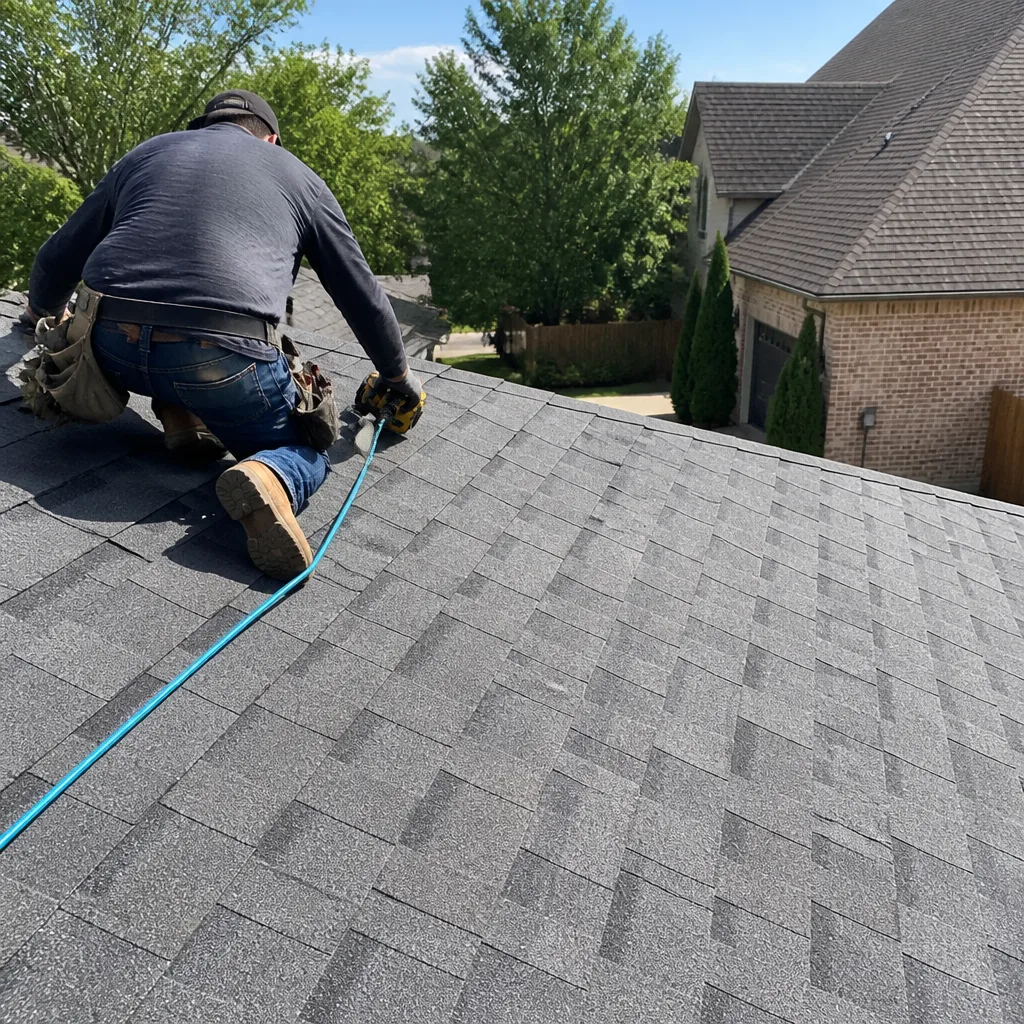
In Fort Worth, a straight ridge vent replacement on a standard single-story home runs $425 to $850. That includes removing the old vent and cap shingles, inspecting and repairing any softened decking at the ridge line, installing the new Tamko-compatible vent, and re-capping with matched shingles.
What drives the range? Three things. Ridge length is the big one – a 50-foot hip roof with multiple ridge segments costs more than a 30-foot straight gable. Roof pitch and height sit behind that; a two-story home with a 10/12 pitch adds labor time and safety equipment, which shows up in the price. And deck repair is the wild card – if water has softened the sheathing under the vent, we’ll cut out and replace the bad section. That adds $75 to $150 per sheet of plywood or OSB, and we’ll show you a photo of the rot before we go any further.
Every ridge vent replacement we do in Fort Worth includes our 365-Day Done Right Promise, in writing. If the vent fails again, leaks, or lifts within a year, we come back and fix it at no charge. No negotiation. No “well, that’s a different problem.” The number on your written estimate is the number on your invoice, and you get before-and-after photos and a digital invoice by text. That’s the Relay Visibility Guarantee, and it applies to every job we do.
DIY or Call Us?
Here’s the honest split. There’s a safe inspection you can do from ground level or a ladder: look for visible cracks, check for lifted cap shingles, look for rusted nails, and note any sagging in the ridge line. Taking a photo and sending it to us costs you nothing and takes five minutes.
What you should not do is walk the ridge line and start prying. Ridge vent work means working at the highest, most exposed point of the roof. A fall from a ridge on a single-story Fort Worth home is still a 10-to-12-foot drop onto grass, gravel, or worse. More than one homeowner has stepped through a soft deck section they didn’t know was there. Ridge vent replacement is also not a caulk-and-go fix – if the vent is cracked and the deck is damp, you’re not solving the problem, you’re buying yourself a spring leak.
We’d rather you call and get a straight answer than end up in the ER or with a bigger roof bill in March. The estimate is free, and we’ll tell you if it’s something you can live with for a season or needs to be addressed before the next storm. Call (682) 730-3548 and ask for an honest read.
FAQs
Plan on 12 to 18 years in the Fort Worth climate, which is shorter than Tamko’s national rating. The combination of 100-degree summers, UV intensity, and spring hail shortens the useful life of any plastic ridge vent. If your roof is 15 years old and the vent is original, it’s living on borrowed time.
Small cracks can sometimes be sealed with a compatible sealant and a cap shingle reinforcement, but we only recommend that as a short-term patch on vents with a few years of life left. If the vent is more than 10 years old or cracked in multiple sections, replacement is more cost-effective – patching buys months, not years. Call (682) 730-3548 and we’ll tell you which camp you’re in.
Most single-ridge replacements take one workday – typically arriving at 8:00 a.m. and finishing by mid-afternoon. If decking repair is needed, add a couple of hours for cutting, replacing, and sealing the new sheathing.
We stock Tamko-compatible Titan and Rapid Ridge vents on our Fort Worth trucks, including both the pre-2018 and current Titan profiles. You don’t need to order anything – if we need a specific cap shingle color match, we pick that up the same morning.
Ready for a written price? Call Crestview Roofing Co Fort Worth at (682) 730-3548 for a free estimate on Tamko ridge vent installation. We’ll look at your roof, give you a number in writing, and document the work with photos before and after. Put it in writing or don’t bother saying it – that’s how we operate.
Written by Dylan Pace, Owner, Crestview Roofing Co Fort Worth at Crestview Roofing Co Fort Worth, serving Fort Worth and nearby areas.