
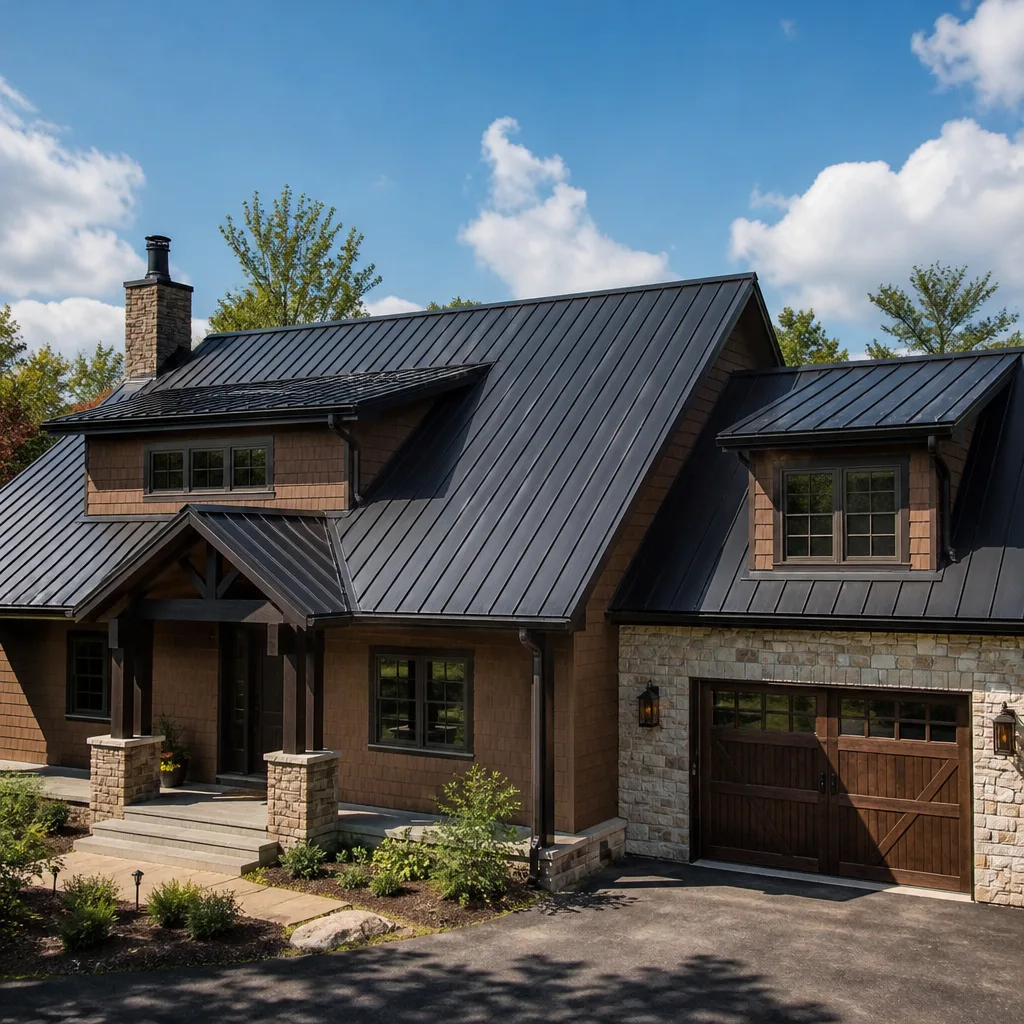
 Metal roofing
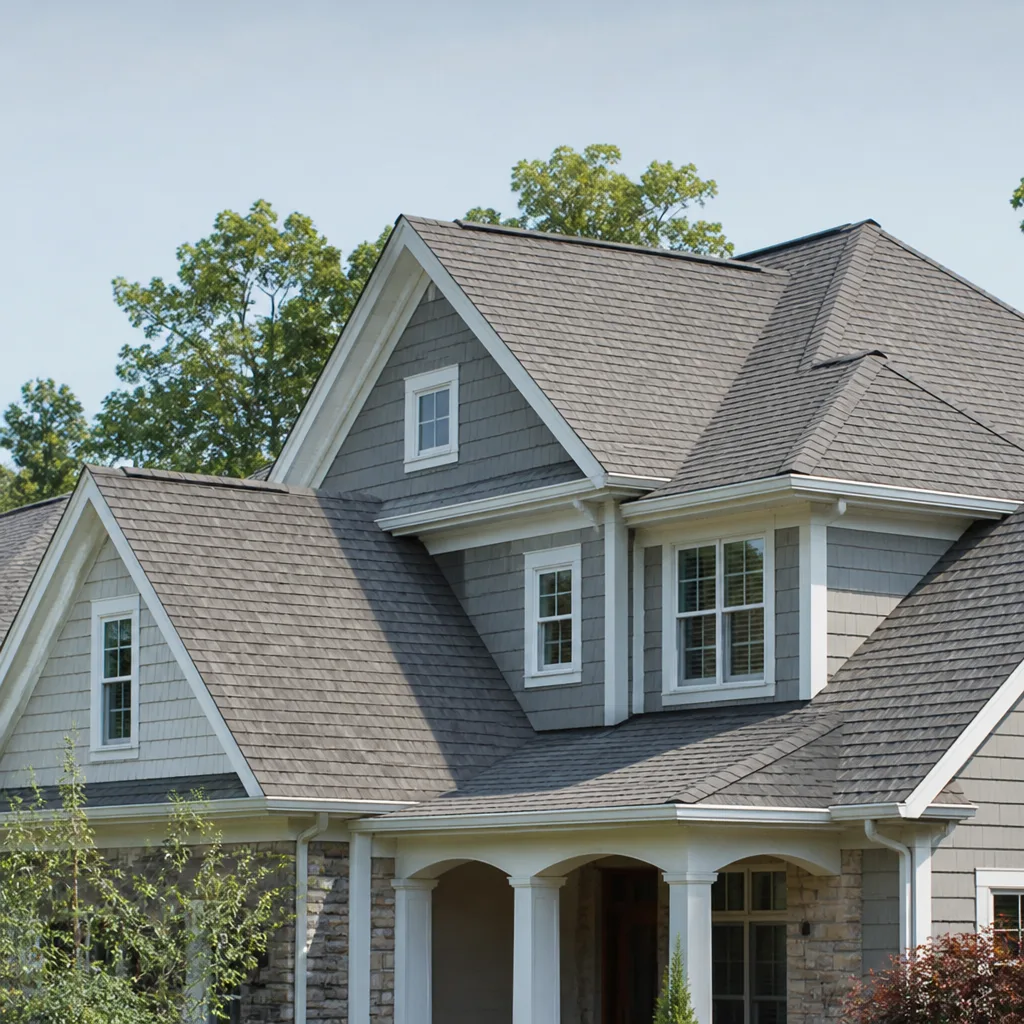 Architectural shingles
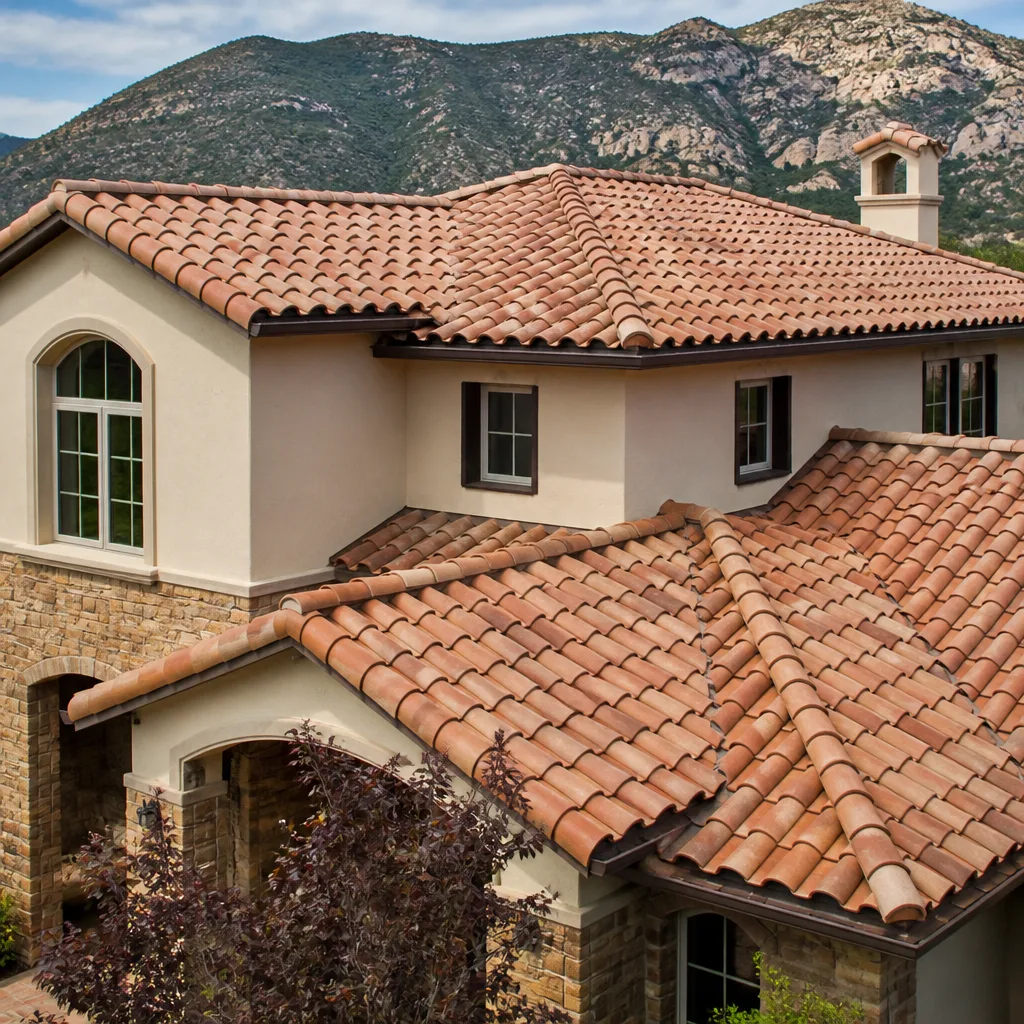 Tile roofing
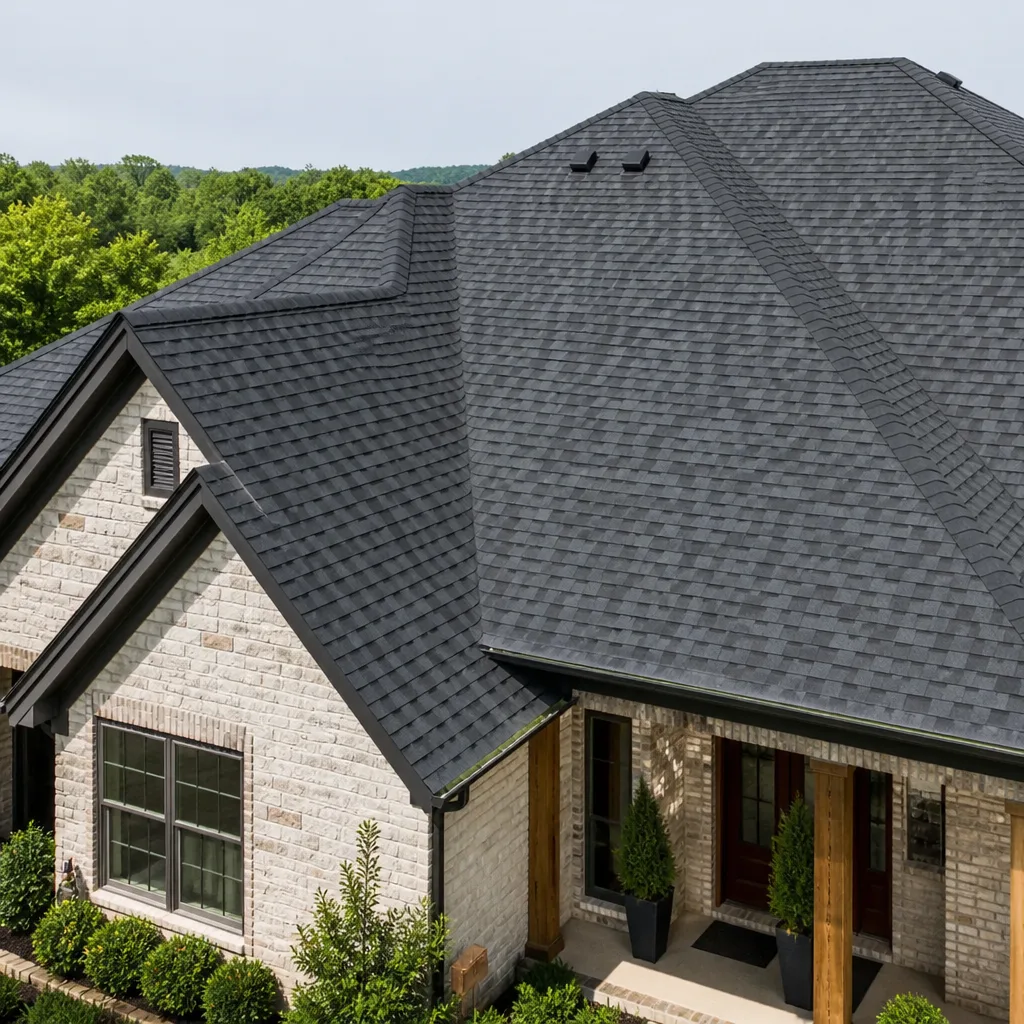 GAF
GAF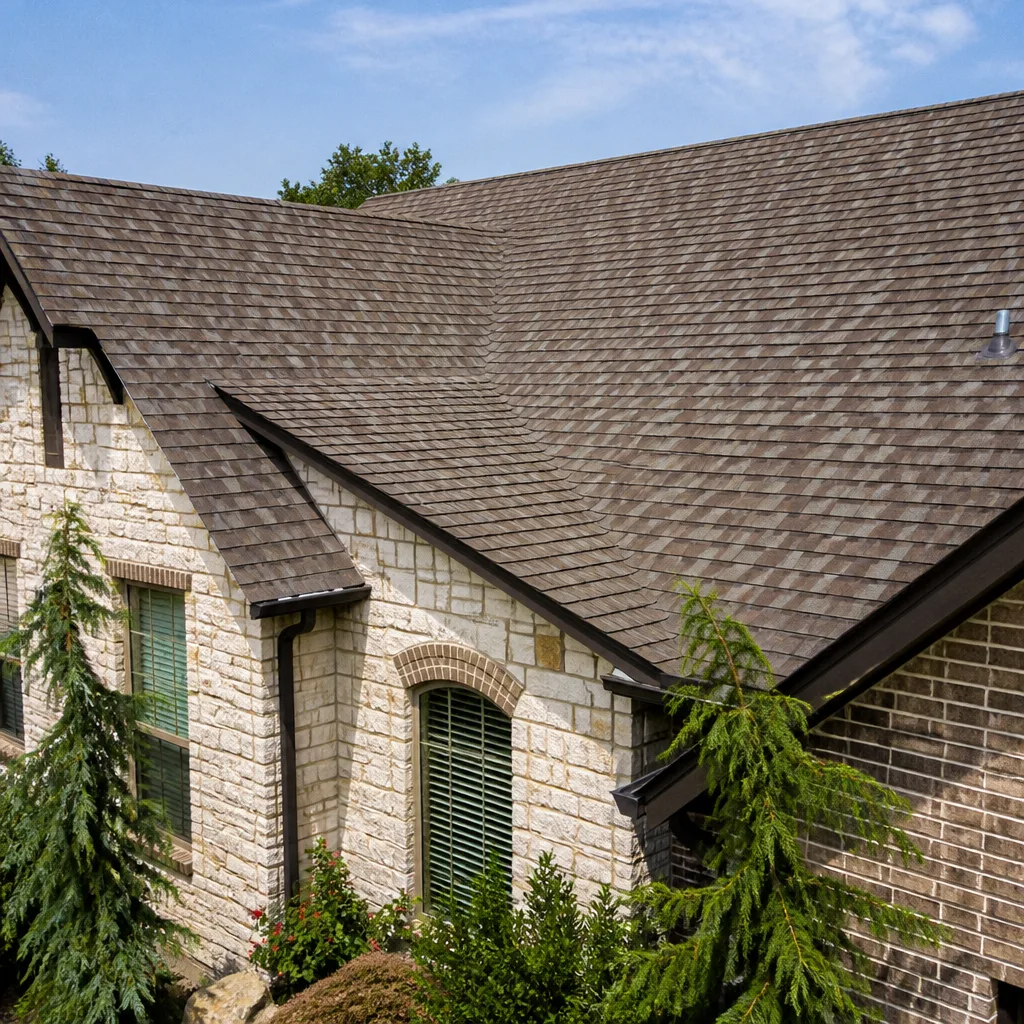 Owens Corning
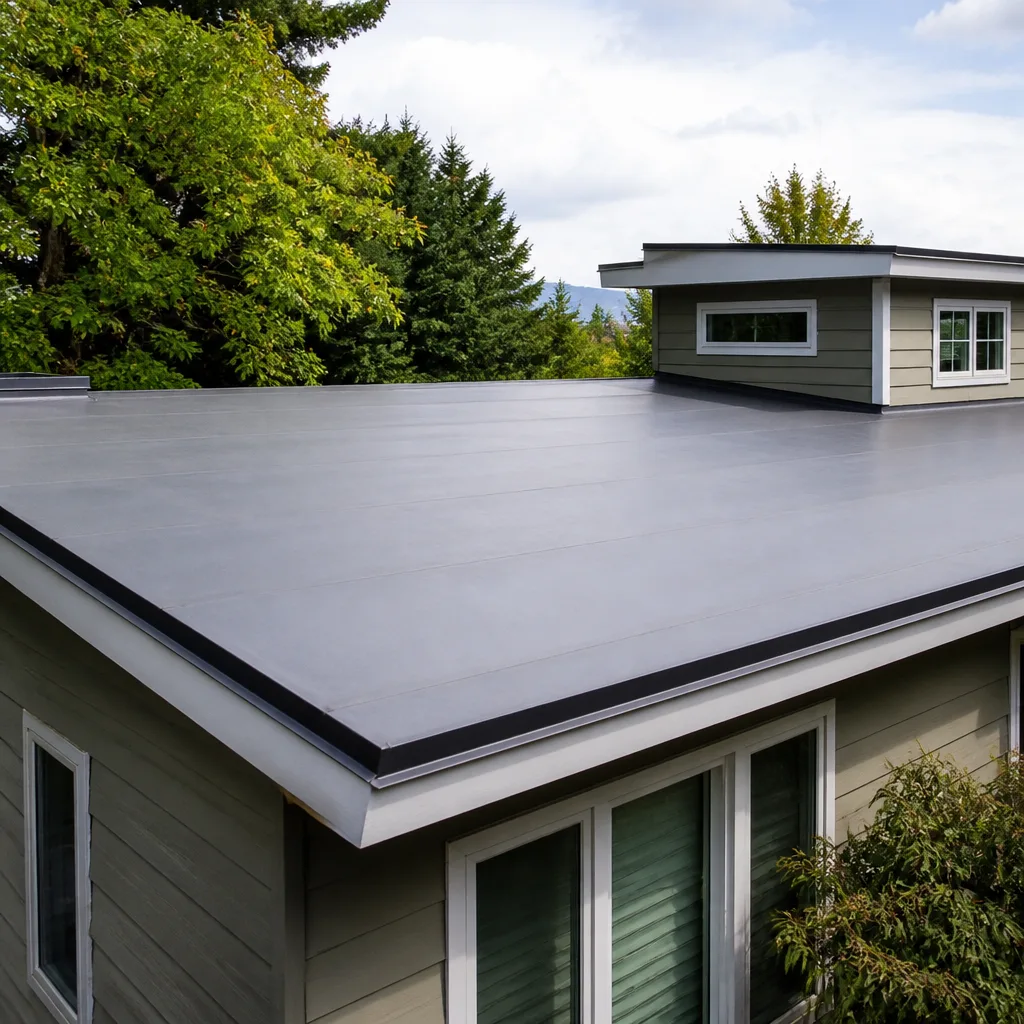 Flat & low-slope
Free roof inspection with deck photos before we talk money - GAF and Owens Corning certified installation
Styles & brands we work with
See the difference
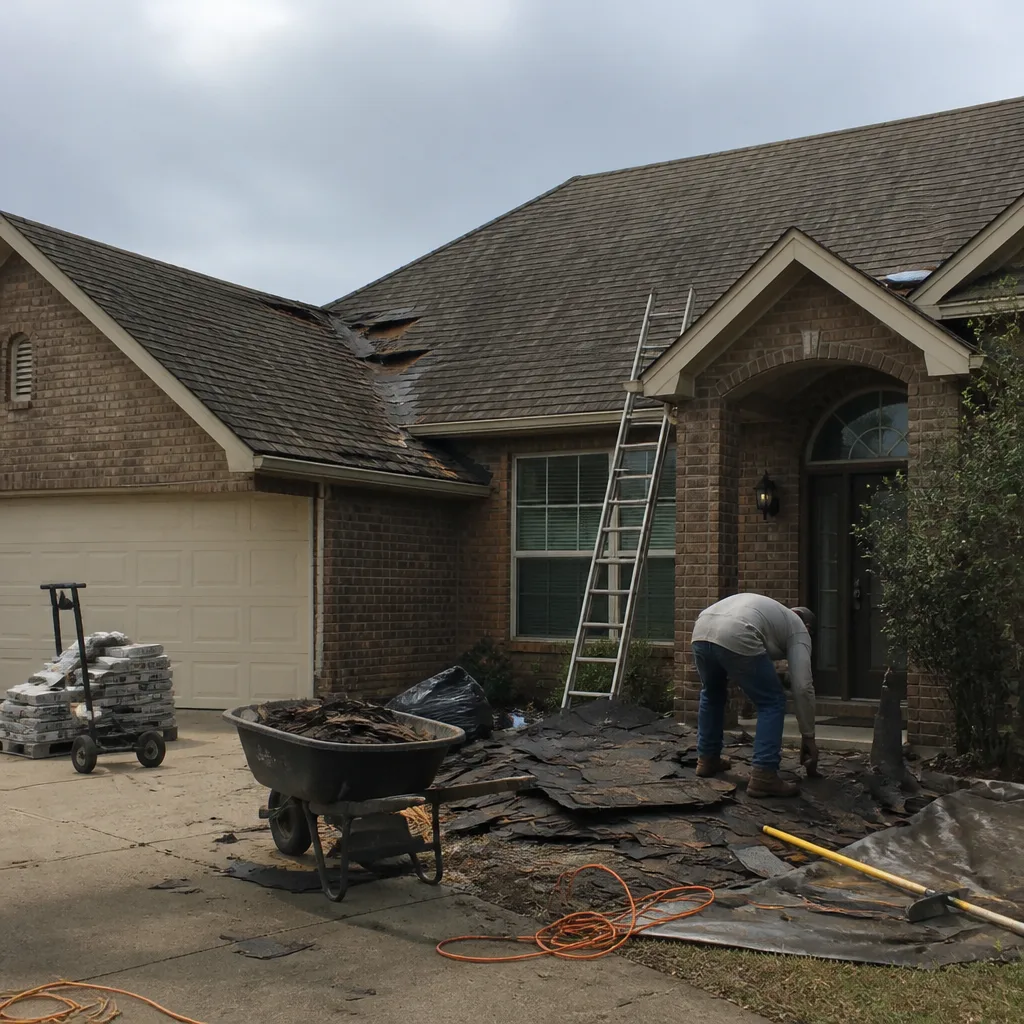 Before
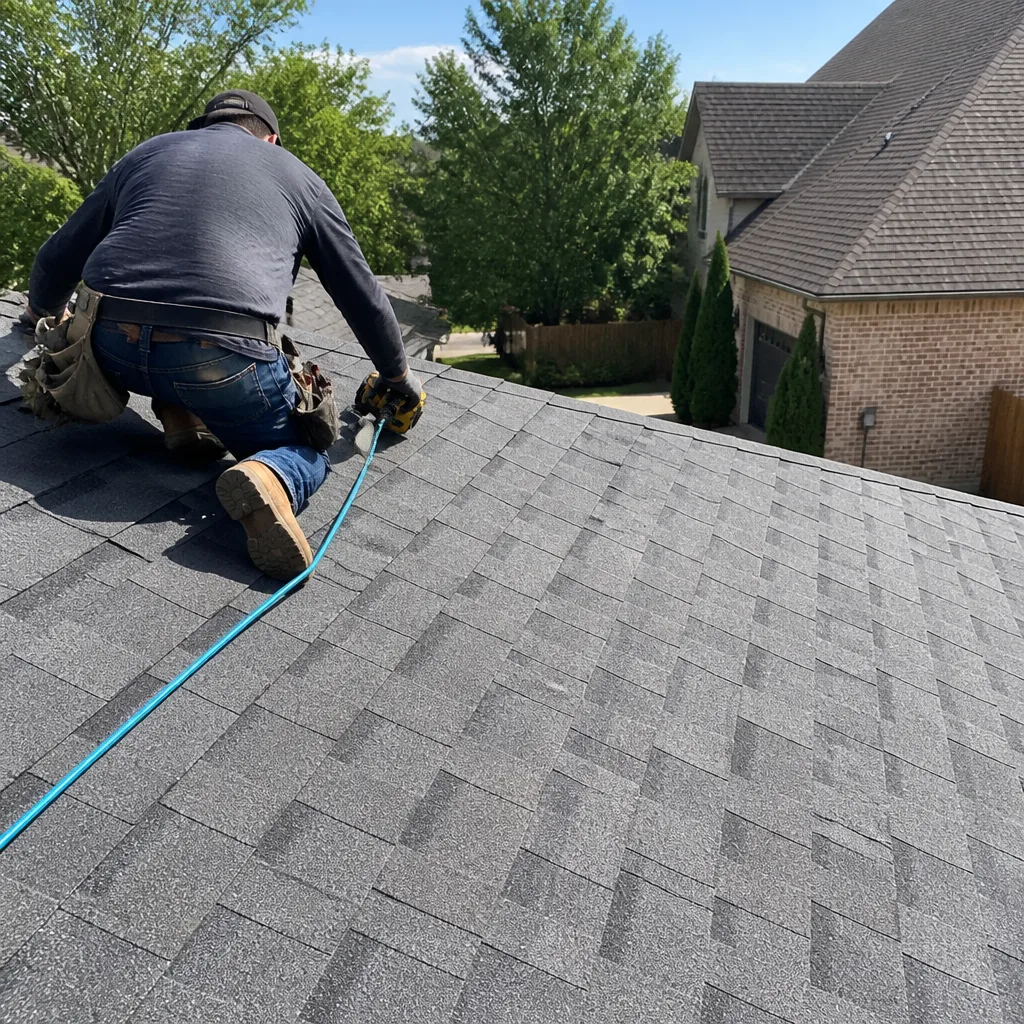 After
After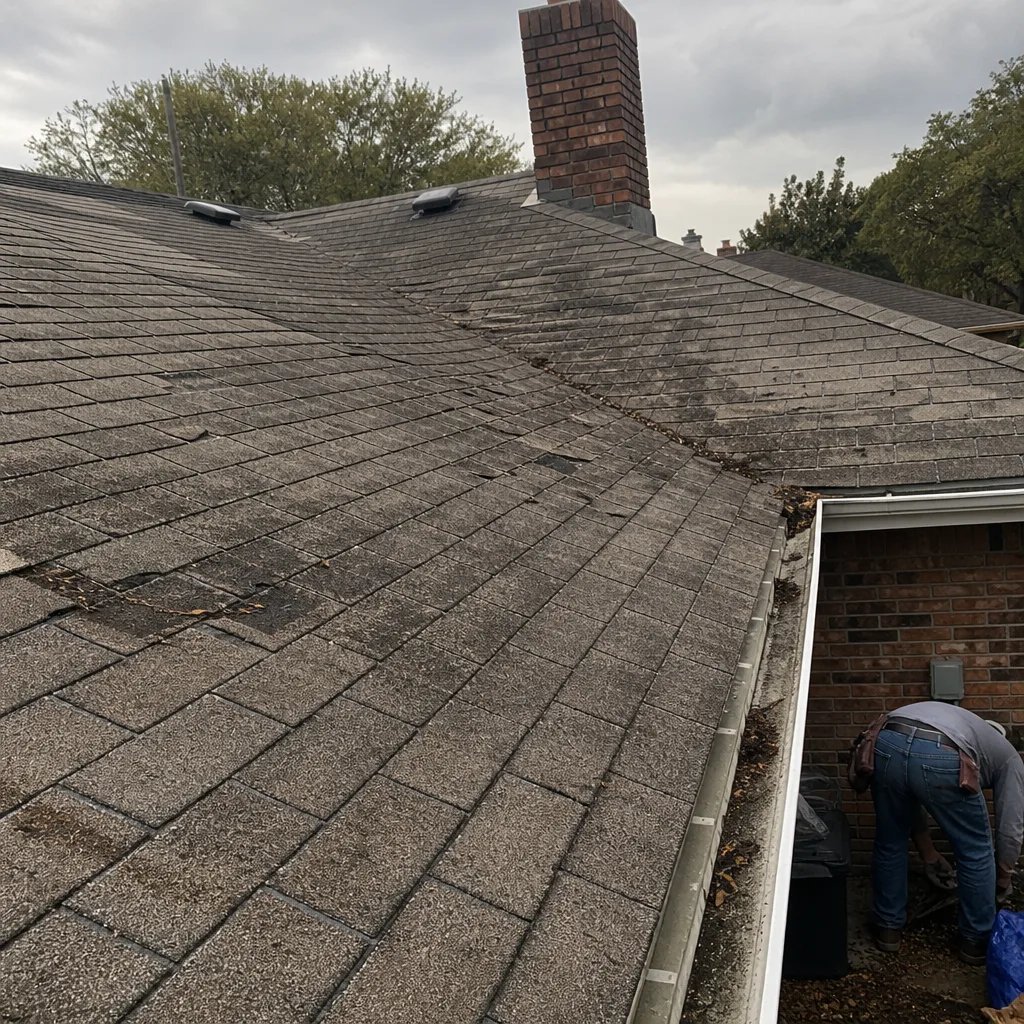 Before
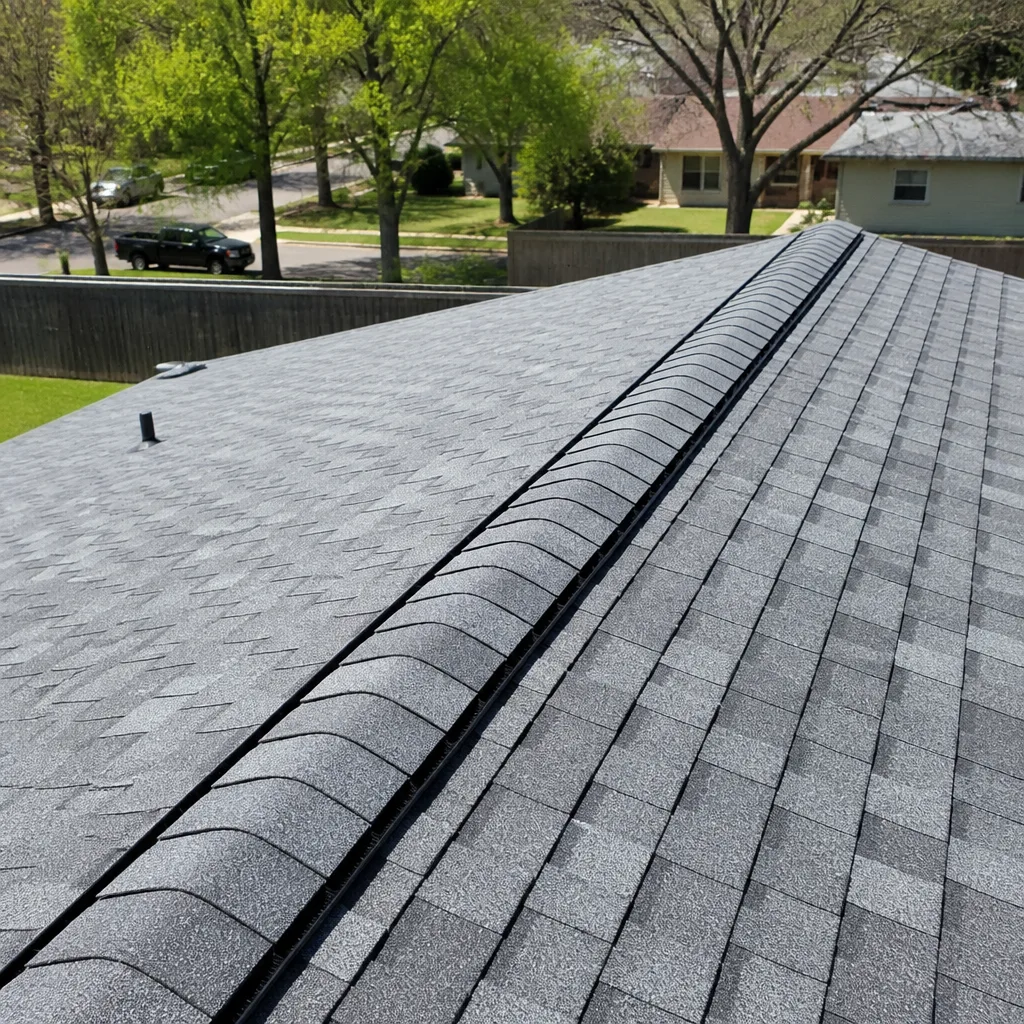 After
After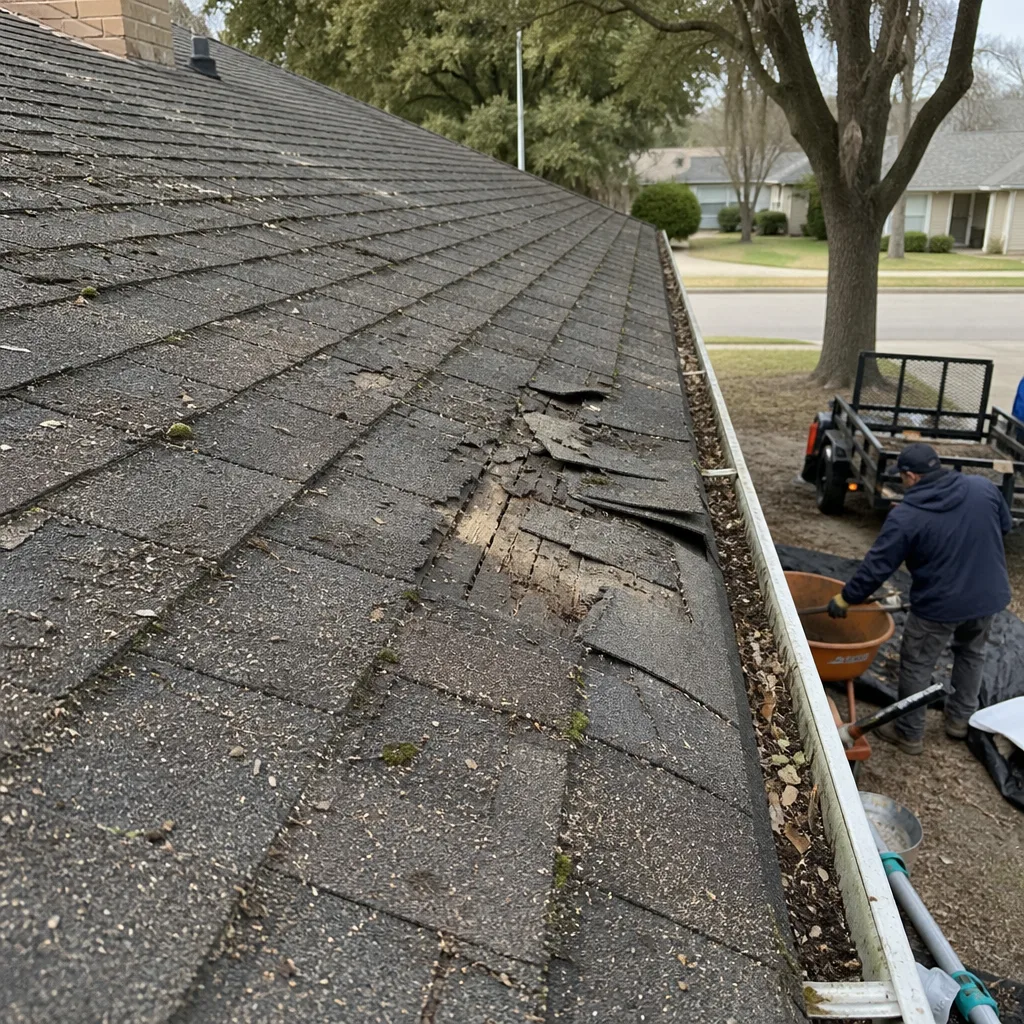 Before
 After
AfterFlashing Repair in Fort Worth, TX
Roof flashing repair in Fort Worth typically costs $275 to $650 for most chimney, vent, or valley flashing fixes, and we can usually get a technician to your home within 48 hours unless you’re dealing with an active leak. Flashing is the metal material, usually galvanized steel or aluminum, that seals the joints where your roof meets a chimney, skylight, wall, or vent pipe, and it’s where we see the majority of preventable roof leaks start. If water is getting in around a penetration point rather than through worn shingles, you need flashing repair, not a reroof.
At Crestview Roofing Co Fort Worth, we’ve been fixing flashing on Fort Worth homes since 2000, and we’ve built our whole process around eliminating the stuff homeowners hate most: vague estimates, missed appointments, and work that fails six months later. You’ll get a written price before we touch anything, a live arrival time you can actually track, before-and-after photos of the repair, and a 365-Day Done Right Promise that says if our flashing fails within a year, we come back and fix it free. Call (682) 730-3548 and a live person answers, day or night.
This page covers what flashing repair actually involves, when you need it, what it costs across different Fort Worth neighborhoods, and how we handle the job from first call to final invoice. If you want a broader look at how we approach the whole roof system, see our Roof Repair in Fort Worth page.
What Roof Flashing Actually Does
Flashing is the metal barrier installed at every seam, joint, or penetration on your roof. Roofers bend strips of aluminum, galvanized steel, or copper around chimneys, along dormer walls, inside valleys, around vent pipes, and under skylights. The goal is simple: move water away from vulnerable joints before it finds a way under your shingles. When flashing is intact, water runs over the metal and down the roof. When flashing cracks, pulls loose, or corrodes through, water gets behind it and works its way into your decking, attic, and eventually your ceilings.
Fort Worth’s weather pattern, with its long dry stretches interrupted by sudden violent downpours and occasional hail, is rough on flashing. Metal expands and contracts with our temperature swings, which run from 20 degrees in the winter to 100-plus in July and August. Over a decade or two, that movement loosens fasteners and fatigues the bends where flashing wraps around corners. Add hail impacts to the mix and you get dents, cracks, and split seams.
Dylan Pace started Crestview Roofing in 2000 specifically because he kept seeing neighbors get talked into full reroofs when the actual problem was a $400 flashing repair around a chimney or a plumbing stack. That frustration shaped how we diagnose roofing problems today: we look for the smallest, most precise fix first, and we show you photos of exactly what we found before anyone asks you to spend a dime.
Where Flashing Lives on a Fort Worth Roof
Your roof has flashing in more places than you might expect. Each one uses a slightly different shape and installation method, and each one fails in its own way. Here are the most common flashing locations we repair on homes across Fort Worth, from Ryan Place to Saginaw to Benbrook:
- Chimney flashing: The metal that runs up the chimney sides and tucks into the mortar. It includes base flashing along the bottom, step flashing up the sides, and a cap or counter-flashing.
- Vent pipe flashing: The rubber boot and metal collar around plumbing vent pipes. The rubber deteriorates in Texas sun and cracks, which is often the single fastest leak source on a roof.
- Valley flashing: The metal channel where two roof planes meet. Fort Worth homes with steep gable roofs, common in older Fairmount and Mistletoe Heights houses, rely heavily on valley flashing.
- Step and wall flashing: The metal tucked under siding where a roof meets a vertical wall. Popular on the large suburban homes across far north Fort Worth.
- Skylight flashing: The integrated flashing kit that seals the skylight frame into the roof deck. Kits from older skylights wear out and are often better replaced than patched.
- Drip edge flashing: The thin metal strip along the roof edges that directs water into gutters. Loose drip edge lets water wick back into the fascia and soffit.
Each type has a different repair cost and difficulty level. A vent pipe boot can be swapped in 20 minutes on a low roof. A chimney on a steep Arlington Heights two-story might take half a day with proper step flashing replacement. The good news: most flashing repairs do not require touching the main roof field, so you pay for the repair, not a whole roof.
When You Need Flashing Repair
Here are the signs we tell homeowners to watch for. Some are obvious, some are subtle. None require you to climb onto the roof.
- Water stains on ceilings or walls, but only near a chimney, skylight, or exterior wall. If the stain lines up with a roof penetration below it, flashing is the prime suspect before any shingle issue. In Fort Worth homes built before 1990, this pattern is especially common because original metal flashing was often uncoated galvanized steel, which rusts through over time.
- A musty smell or visible dampness in your attic rafters after a storm. Active flashing leaks often show up in the attic before they reach drywall. Check the wood directly below chimneys and vent stacks. If it’s dark, soft, or has white mineral streaks, you have a leak.
- Loose or lifted flashing visible from the ground. On a dry day, walk the perimeter of your house and look at chimney sides and roof-to-wall transitions. If you see metal lifting, pulling away from the wall, or missing sections entirely, water is already getting behind it or will be shortly.
- Gaps or cracks in the rubber boot around vent pipes. This is the most common flashing failure we repair across Fort Worth, and it’s visible with binoculars. The rubber collar splits under UV exposure, and once it splits, water runs straight down the pipe into your attic.
- Granule loss and rust streaks near roof edges. Small rust-colored lines running from flashing metal indicate corrosion has started. The metal may still be technically present, but it’s thinning and will eventually open.
- Your home took a recent hail hit. Even small hail, under an inch, can dent and kink flashing. The shingles may survive, but a kinked chimney flashing channel now holds water instead of shedding it. Fort Worth sees hail regularly, and a lot of the roofs we repair after storms have shingle damage plus damaged flashing that needs attention.
If you spot any of these, don’t wait. A flashing leak that drips into your attic for six months does far more damage than the same leak caught in week one. The repair cost stays about the same; the drywall, insulation, and possible mold remediation do not.
Repair vs. Replace: What Flashing Actually Needs
Some flashing can be patched with roofing cement or a slip of new metal; some needs to come out entirely. Here’s how we decide, and it’s a decision we explain to you in plain language with photos before any work starts.
Rubber vent pipe boots that are cracked always get replaced, not patched. The old collar is stripped off, the new boot slides over the pipe, and the metal base is sealed and nailed under the surrounding shingles. It’s a 20 to 45 minute job on most roofs.
Step flashing along walls can sometimes be resealed if the metal itself is still sound and the failure is simply old caulk. But if the metal is bent, corroded, or pulled out of position, the correct fix is to remove the shingles in that area, install new step flashing pieces, and retuck the shingles. A patch job on failed step flashing is a temporary band-aid, and we won’t sell you one.
Chimney flashing gets the case-by-case treatment. If the metal is intact and the mortar joints are healthy, we can reseal and refasten. If the base flashing is rotted through or the counter-flashing has separated from the chimney, we cut out the old metal and install new base and counter-flashing, then seal the reglet (the groove cut in the mortar) with a proper exterior-grade sealant, not a smear of roofing tar from the bucket.
A lot of Fort Worth homes we see have had previous flashing work done by crews that used mismatched metals or caulk alone. Galvanized steel flashing touching aluminum flashing creates galvanic corrosion where the two metals touch. We check for that and replace with compatible material when we find it.
Our Flashing Repair Process
Here’s how a flashing repair with Crestview Roofing Co Fort Worth works, step by step. This is the same process on every job, no matter the size, and it’s what The Relay Visibility Guarantee is built around: a written price before work starts, photo documentation, a trackable arrival time, and a digital invoice sent to your phone.
- You call us and describe what you’re seeing. A live person answers, not a voicemail tree. We’ll ask about the location of any stains, when they appeared, and what type of roof and chimney you have. If you don’t know the answers, that’s fine; we’ll figure it out at the inspection.
- We schedule an inspection and send you a live arrival link. When the technician is on the way, you get a trackable ETA, like a rideshare app. You’ll see the technician’s name and photo before they knock. Every technician is background-checked and wears a Crestview uniform.
- The technician inspects the flashing, takes photos, and writes up a repair plan. They will get onto the roof and inspect not just the area you called about but the surrounding flashing and shingles. They will photograph the damaged flashing, note the roof and chimney condition, and measure the repair scope. For safety reasons, we do not recommend homeowners climb onto roofs to inspect flashing themselves, steep roof sections especially.
- You receive a written price before any work starts. The estimate shows the repair scope, materials, and total cost. No ranges, no “we’ll see how it goes,” no number that changes at the door. The number on the page is the number on the invoice.
- We do the repair on the scheduled day. The technician removes the damaged flashing, installs and seals the new metal to manufacturer spec, and checks the surrounding area for hidden damage. If we find additional issues, we stop, photograph them, and call you before doing anything outside the written scope.
- You get before-and-after photos and a digital invoice. You’ll see exactly what was broken and exactly what was fixed. The invoice is sent by text or email, your choice. Every flashing repair carries the 365-Day Done Right Promise: if it fails within a year, we correct it at no charge, including a free second visit.
Most flashing repairs are completed in under half a day. A chimney flashing replacement can take most of a day, especially on a roof with steep pitch common in older Fort Worth neighborhoods like Berkeley Place or the hillside homes near Lake Worth. We’ll tell you the expected duration before we start, and we don’t leave the job until the area is clean and the repair has been checked for water-tightness.
Flashing Repair Pricing in Fort Worth
Most flashing repairs in Fort Worth fall between $275 and $650. Small jobs like vent pipe boot replacement sit at the bottom of that range. Larger or more complex repairs, chimney flashings especially, can run $650 to $1,200 depending on chimney height, roof pitch, and the amount of metal that needs replacing. A complete skylight flashing replacement, including a new flashing kit, typically runs $450 to $850 installed.
These ranges reflect what we actually charge and what we see across the local market. The final price depends on a few specific factors. Here’s what moves the number:
- Flashing type and location: Vent boots and drip edge are at the bottom of the price range. Chimney and wall step flashing run higher because they involve more metal work and often require shingle removal to access.
- Roof pitch and accessibility: A steep, two-story roof costs more than a low, walkable one. This is a safety and labor difference, not a markup. Technicians on steep roofs move slower and need fall protection, all of which our team uses.
- Material choice: Aluminum is the most common and cost-effective. Galvanized steel lasts longer and is standard on chimney work. Copper is available by request and runs two to three times the cost of aluminum, though it’s rare in Fort Worth residential work.
- Underlying damage: If the flashing leak has been active long enough to rot the roof decking or fascia underneath, that wood replacement gets added to the scope. We will show you photos of any such damage before proceeding.
- Number of problem areas: A roof with one failed vent boot is a quick job. A roof with four cracked boots, loose drip edge, and a failing chimney counter-flashing is a bigger ticket. But we price each item separately, so you can see exactly where the money goes.
You can compare a few common scenarios. One cracked vent pipe boot on a single-story home in Wedgwood: usual cost around $300 to $400 including materials and sealant. Loose step flashing along a dormer wall in a Tanglewood two-story: $450 to $700, higher if scaffolding is required. Chimney counter-flashing replacement on a Monticello brick home: $600 to $1,000 depending on chimney access and how much old metal must be cut out.
Every quote includes the new metal, the sealant, the fasteners, the labor, and the 365-day warranty. Nothing gets added later. And before any work begins, you get the full price in writing. We do free estimates on flashing repairs, no obligation, and the estimate visit is a real diagnostic, not a sales pitch.
Estimate visits are free. Call (682) 730-3548 to schedule one.
How and Why Fort Worth Weather Destroys Flashing
Flashing fails in Fort Worth for three main reasons, and each connects to our specific climate. The first is thermal expansion. Roofing metal expands in the summer heat and contracts in winter freezes. Fort Worth averages 229 sunny days per year, and roof surface temperatures in July regularly hit 140 degrees. Over years, the metal’s repeated movement loosens the nails and caulk that hold it down. A decade of that cycle is enough to open a seam around a chimney or at a wall junction.
The second is hail impact. Fort Worth sits just outside the core of Texas hail country, but we still see hailstorms most years. Hail dents and kinks flashing, and once a piece of metal is bent, it channels water differently, often toward the joint it was supposed to protect. Dents in the metal also weaken the protective galvanized coating, which opens the door to the third problem: corrosion.
The third is UV degradation of rubber components, specifically the neoprene boots on vent pipes. Neoprene breaks down under sustained sun exposure. In Fort Worth, that happens faster than in northern climates. We replace cracked vent boots on roofs all over the city; on homes built in the 2000s, we often see four to six failed boots at once because all the original boots aged at the same rate.
The practical takeaway: flashing is a maintenance item on a Fort Worth roof, not a set-and-forget material. Roads and neighborhoods don’t change that math. Whether you’re in a historic bungalow in Fairmount or a newer build in Alliance, the metal on your roof is aging every summer.
Materials We Use on Flashing Repair
We install flashing from a short list of metals and brands we trust on Texas roofs. Primary flashing metal is either 24-gauge galvanized steel or .024 aluminum, depending on the application. We do not use tin flashing; tin is too thin and fails quickly under our sun. Sealants are exterior-grade polyurethane or polymer-based, not the cheap butyl caulk that hardens and cracks in two seasons. Rubber boots are heavy-duty EPDM or silicone, rated for direct UV and heat.
When flashing work touches shingles, we repair and retuck the surrounding shingles using components from brands like GAF, CertainTeed, and Owens Corning, matching what’s already on your roof where possible. These are the same manufacturers whose materials we use on full roof replacements, and matching brands means the repair blends with the existing roof rather than standing out as a patch. We also work with IKO products on some Fort Worth re-roofs, particularly in the mid-range architectural shingle category. You’ll see the brand names in your written estimate, so there’s no ambiguity about what goes on your roof.
Common Flashing Questions Homeowners Ask
Can you fix flashing the same day I call?
If you have an active leak, call (682) 730-3548 and tell us water is coming in. We prioritize emergency calls and can often get a technician out the same day to at least stop the leak with a temporary waterproof membrane, then schedule the full repair. A live person answers our phone around the clock, so an evening leak doesn’t have to wait until Monday.
Is it cheaper to repair flashing or replace the roof?
Flashing repair is dramatically cheaper than any roof replacement, and in most cases, a flashing failure does not mean your entire roof is failing. If the shingles around the flashing are in good shape and the decking underneath is sound, a $300 to $800 flashing repair is all you need. We will not sell you a new roof when a repair will fix the problem; if the roof is near the end of its life, we will tell you that too, and we’ll show you photos to back it up.
Will the repair be visible from the ground?
New flashing is visible, but it should not look like a patch. We match metal color and shape to the existing roof as closely as possible, and we install new metal clean and straight. A properly replaced vent boot or chimney flashing looks like it belongs there. If a previous repair left a tar smear or a mismatched piece, we remove and redo it rather than stacking another layer on top.
How long does a flashing repair last?
Done correctly with proper metal and sealant, a flashing repair should last at least 10 to 15 years, and many last the remaining life of the roof. We back every flashing repair with the 365-Day Done Right Promise: if the repair fails within a year, we return and fix it at no charge. Longer term, regular roof inspections help catch sealant aging before it becomes a full leak. Fort Worth’s weather does not forgive neglected metal.
Does the 365-day warranty cover hail or storm damage?
The 365-Day Done Right Promise covers workmanship and materials. If our install was flawed or the material fails, we fix it free. Hail damage is considered a new weather event and is typically handled through your homeowners insurance, and we can help you document and file a hail claim in Fort Worth if your flashing and roof take storm damage after we’ve worked on them. The warranty is in writing and delivered with your invoice.
Why Fort Worth Homeowners Call Crestview for Flashing Repair
We’re not the only roofer in Fort Worth, but we do a few things differently. The Relay Visibility Guarantee is the structural difference: a written price before any work starts, before-and-after photos of every repair, a live arrival time you can track on your phone, and a digital invoice sent by text. That’s not a slogan; it’s the operating standard every Crestview job follows.
The 365-Day Done Right Promise gives that standard teeth. Every flashing repair we complete is covered for a full year. If it fails, we come back and make it right, free, without negotiation. That promise exists because we install flashing correctly the first time and we are willing to stand behind the work in writing. The free second visit coverage on failed repairs is included on every job, at no extra charge.
Dylan Pace built the company on a simple idea: roofing should not be a mystery. Before Crestview, homeowners in Fort Worth got a handshake and a hope; now they get a written document, a trackable appointment, a photo record, and a warranty that means something. That’s why we still answer the phone with a live person after 25 years and why our owners’ job is not to sell roofs but to make sure every job lives up to the written promise.
If you have a flashing leak, a cracked vent boot, or a chimney that’s been dripping into your attic, call us. We’ll inspect it, show you what we find, and give you a written price before anything gets touched. Call (682) 730-3548 now.
FAQs – Flashing Repair
How much does flashing repair cost in Fort Worth?
Most flashing repairs in Fort Worth range from $275 to $650 for common fixes like vent pipe boot replacement, step flashing resealing, or small chimney flashing repairs. Larger jobs like full chimney counter-flashing replacement or skylight flashing kits run $650 to $1,200. Your exact price depends on the flashing type, roof pitch, and accessibility, but you’ll receive a written estimate before any work begins. Call (682) 730-3548 for a free flashing inspection and a firm quote.
Can you repair flashing without replacing shingles?
Yes, in most cases we repair or replace flashing without touching the main roof field. Vent boot replacement, drip edge re-securing, and small chimney reseals do not require shingle replacement. When flashing replacement is more involved, we remove only the shingles immediately around the damaged metal, replace the flashing, and reinstall the same shingles. Only if those shingles are damaged or beyond their life do we recommend replacing them, and we’ll show you photos before proceeding.
What causes flashing to leak in Fort Worth?
The most common causes we see in Fort Worth are cracked rubber vent pipe boots from sun exposure, loose or corroded chimney flashing after years of thermal expansion, hail damage that dents and kinks metal, and old caulk that has hardened and pulled away. Fort Worth’s hot summers and occasional hail storms accelerate all of these failure modes. A proper flashing repair addresses the root cause with new material and sealant, not a quick tar patch.
Do you offer free estimates for flashing repair?
Yes, our flashing repair estimates are free, and they include a full roof inspection of the affected area plus photos of the damage so you can see exactly what’s wrong before you approve any work. Call (682) 730-3548 to schedule. A live person answers the phone 24/7, and we’ll set an appointment with a trackable arrival time.
Is flashing repair covered by homeowners insurance?
Flashing damage caused by a covered event, like a hailstorm or wind event, is typically covered by homeowners insurance in Fort Worth, subject to your deductible. General wear and tear, including UV-cracked vent boots or corroded metal from age, is generally considered maintenance and not covered. We can help you assess whether your flashing damage is storm-related and document it for a claim. Call (682) 730-3548 and we’ll walk you through it.
Get Your Flashing Repaired, Fort Worth
A leaking flashing is the kind of problem that gets more expensive every week you ignore it. The repair itself stays affordable; the water damage to insulation, drywall, and framing compounds. If you suspect flashing failure anywhere on your roof, call Crestview Roofing Co Fort Worth at (682) 730-3548 to schedule a free inspection. We’ll send a named technician with a live arrival time, diagnose the leak, and hand you a written price before any work starts. That’s how roofing should work in Fort Worth, and that’s how we do it.
Homeowners across Fort Worth trust Crestview for Roof Repair in Fort Worth, and flashing work is one of the most common repairs we handle. From minor vent boots to full chimney flashing overhauls, we bring the same written-price standard, the same photo documentation, and the same 365-day guarantee to every job. If you’d like to see how the rest of your roof is holding up, ask about a full inspection during your flashing estimate; it’s a smart way to catch small issues before they become big leaks.
Written by Dylan Pace, Owner at Crestview Roofing Co Fort Worth, serving Fort Worth.