
Last updated October 17, 2026
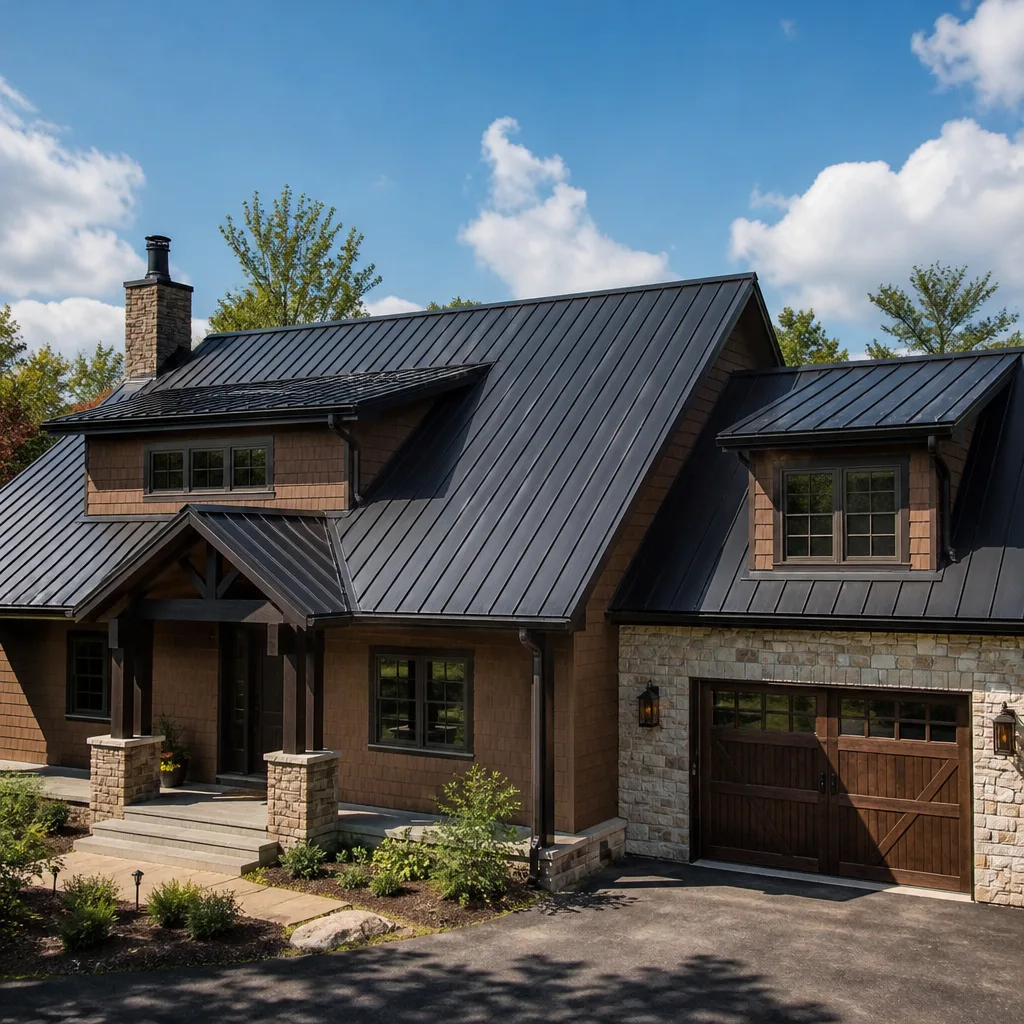 Metal roofing
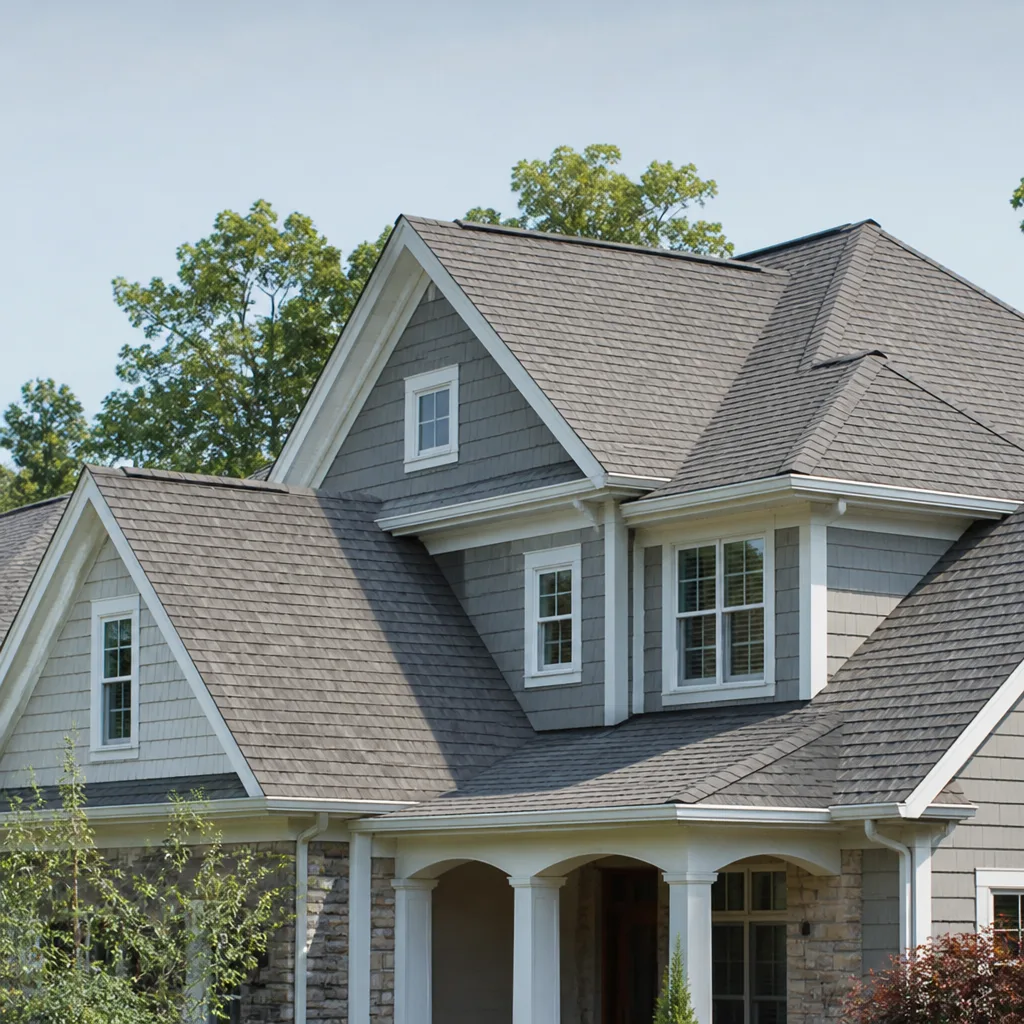 Architectural shingles
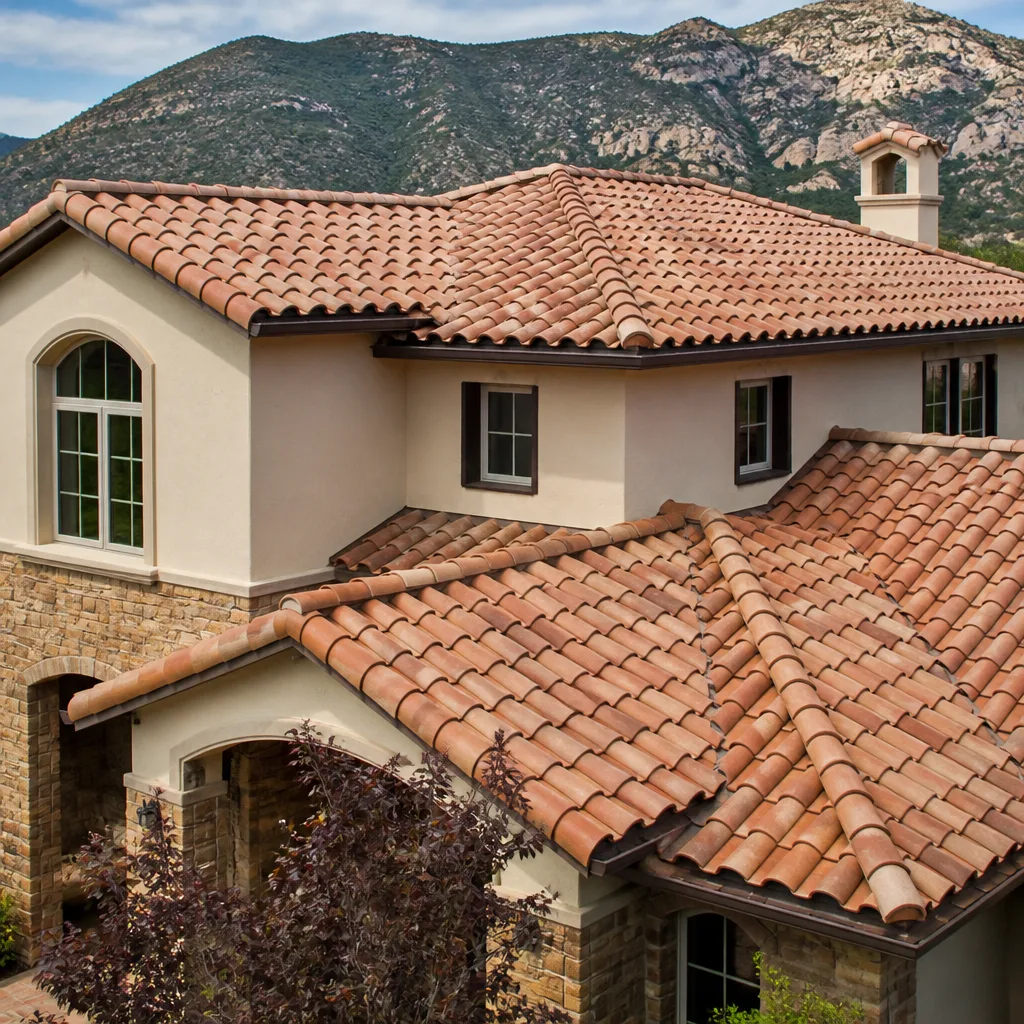 Tile roofing
 GAF
GAF Owens Corning
 Flat & low-slope
Free roof inspection with deck photos before we talk money - GAF and Owens Corning certified installation
Roofing Cost Breakdown: The Fort Worth Homeowner’s Reference for 2026
Two Fort Worth homeowners with identical 2,000-square-foot ranch houses get quotes of $14,000 and $19,500 for the same Owens Corning shingle. Neither knows which is the better deal, because neither quote itemizes what the materials, labor, underlayment, and disposal each cost separately. That single-number quote is how roofers hide overcharges, low-quality spec substitutions, and missing line items. This guide deconstructs a Fort Worth roofing quote into its actual components so you can read any bid the way a contractor would, and spot exactly where the $5,500 gap lives.
Styles & brands we work with
Quick Answer
A full roof replacement on a typical 2,000-square-foot Fort Worth home runs $11,500 to $21,000 in 2026, with materials making up roughly 35 to 40 percent of that total, labor 40 to 50 percent, and the remainder split across underlayment, decking allowance, permit, and disposal. Most homeowners overpay not because their roofer is greedy, but because the quote omits enough detail to hide what was actually specified. An itemized written price, delivered before any work starts, eliminates that problem entirely.
Table of Contents
- The Line-Item Cost Model: What Actually Goes Into a Fort Worth Roof
- How Roof Pitch Changes Labor Cost in Fort Worth
- Where the $5,500 Gap Between Quotes Actually Lives
- Insurance Supplements: Getting Fort Worth Material Costs Covered
- How to Read Any Roofing Quote Like a Contractor
- 2026 Price Ranges by Roof Size and Material Grade
- Common Mistakes to Avoid
- When to Call a Professional
- Frequently Asked Questions
- The Bottom Line
The Line-Item Cost Model: What Actually Goes Into a Fort Worth Roof
Every roofing quote, whether it shows it or not, is built from six components. Here is what each one costs in the Fort Worth market in 2026, based on what we see on estimates across Tarrant County.
1. Shingles and Ridge Cap: $4,200 to $7,800 for a 2,000-Square-Foot Roof
Architectural shingles from Owens Corning, IKO, or Atlas run $155 to $235 per square in Fort Worth, where a “square” is roofing shorthand for 100 square feet. A 2,000-square-foot roof is 20 squares, plus roughly 10 percent waste for cuts and valleys, so you are buying about 22 squares. Entry-level three-tab shingles cost less, around $95 to $120 per square, but they have shorter warranties and barely anyone specifies them on a Fort Worth home anymore. Ridge cap, the pre-formed shingles that seal the peaks, adds another $350 to $600. If a quote does not list the shingle brand and line, assume the cheapest line that brand makes.
2. Underlayment and Ice and Water Shield: $900 to $2,200
Underlayment is the waterproof layer between the shingles and the wood deck. Fort Worth code requires a minimum of 15-pound felt or synthetic underlayment, but most quality-minded contractors in this market specify synthetic, which runs $20 to $28 per square installed versus $12 to $15 for felt. Ice and water shield, the self-adhering membrane that goes in valleys and around penetrations, costs $120 to $180 per 200-square-foot roll. On a typical Fort Worth roof, expect two to three rolls. This is one of the most quietly cut corners in the bidding world because no one photographs it after the shingles go on.
3. Labor: $3,800 to $6,500
Labor for a standard 4:12 to 6:12 pitch roof in Fort Worth runs $190 to $320 per square. That range covers tear-off of the old roof, hauling it to the dump trailer, installing the new underlayment and shingles, and final cleanup with a magnetic nail sweep. Crews in Tarrant County move fast in the fall and spring, and slower in July when the deck surface hits 140 degrees. Labor should always be a separate line item. If it is not, you cannot tell whether a low bid is a good deal or a sign that the crew is being underpaid to rush.
4. Decking Repair Allowance: $500 to $1,800
The deck is the plywood or OSB sheathing that the shingles nail into. Fort Worth’s freeze-thaw cycles, hail history, and humid summers mean decks are rarely perfectly flat or dry at tear-off. Most honest contractors quote a per-sheet allowance: $75 to $95 per 4-by-8 sheet when OSB needs replacement. A 2,000-square-foot roof usually has 55 to 65 sheets, and a good crew will replace 4 to 10 of them on a typical job. Any quote that says “decking included at no charge” is either padding the base price or planning to ignore rot and bury it under new shingles. You want a written per-sheet price so the number on the invoice matches the number on the page.
5. Permit and Disposal: $600 to $1,000 Combined
The City of Fort Worth requires a re-roof permit, which typically costs $150 to $300 depending on project valuation. Disposal of the old roof, usually a 20-yard dumpster or a dump trailer, adds $450 to $700 in Tarrant County. Some contractors fold these into “overhead.” Do not accept that. They are real costs, and you have a right to see them.
6. Contractor Markup and Overhead: 15 to 25 Percent
This is the part no roofer likes to discuss. Markup covers insurance, vehicles, office staff, equipment, and profit. In the Fort Worth market, a legitimate roofing company needs 15 to 20 percent markup to stay solvent and honor a workmanship warranty. Above 25 percent starts to get into premium-brand territory, which can be justified but should be visible. If a quote shows no markup line, it is hidden in the shingle or labor line, which makes the whole bid harder to evaluate.
How Roof Pitch Changes Labor Cost in Fort Worth
Most ranch homes built in Fort Worth between the 1950s and 1990s sit on a 4:12 to 6:12 pitch, meaning the roof rises 4 to 6 inches for every 12 inches of horizontal run. At that pitch, a crew can walk the roof without harnesses or toe boards, and labor runs the standard $190 to $320 per square. But neighborhoods like Monticello, Berkeley Place, and parts of Arlington Heights have older two-story homes with 8:12 to 12:12 pitches, and that changes the math quickly.
Above 8:12, roofers add a steep-slope surcharge of $40 to $90 per square. That covers harnesses, roof jacks, toe boards, and the slower pace required to work safely on a surface that steep. At 12:12 and above, some crews will not bid the job at all without scaffolding. If your home is in an older Fort Worth neighborhood with a steep gable roof, expect labor to run $280 to $400 per square, and expect the tear-off to take an extra day because debris control is slower. A quote that does not mention your pitch is either assuming the low end or has not looked at your roof.
And here is the thing: pitch also changes material waste. A steep roof with multiple valleys, dormers, and hips produces 15 to 18 percent waste versus the standard 10 percent on a simple ranch. That means more squares purchased, and that should show up in the shingle line item. In our experience, steep-pitch Fort Worth replacement bids are routinely $3,000 to $6,000 higher than a flat-pitch ranch of the same square footage, and the entire difference is legitimate labor and waste, not markup.
Where the $5,500 Gap Between Quotes Actually Lives
Back to those two Fort Worth homeowners with the $14,000 and $19,500 bids for the same shingle brand. After looking at hundreds of competitive bids in this market, we can tell you exactly where that gap lives, and it is almost never profit margin.
The difference is in two places: underlayment spec and decking repair allowance. The $14,000 quote specified 15-pound felt underlayment, not synthetic, and included a $500 decking allowance that covered roughly 6 sheets. The $19,500 quote specified synthetic underlayment, ice and water shield in all valleys and penetrations, and a $1,800 decking allowance covering up to 20 sheets. That is $500 to $700 in underlayment, $1,200 to $1,500 in decking, and the rest in honest labor for the additional decking work.
The $14,000 quote was not cheaper in any meaningful way. It was less complete. If that homeowner’s deck needed 12 sheets replaced, the $14,000 quote would have ballooned to $15,300 with change orders, and the roof would still have felt underlayment that degrades faster in Fort Worth’s summer heat. The $19,500 quote was the honest number, delivered up front.
This is why we give every homeowner we work with an itemized written price before any work starts. The number on the page is the number on the invoice. There is no separate set of numbers for the sales pitch and the final bill. If a competitor’s quote is lower, put them side by side and look at the spec, not the total. We have a detailed breakdown of how Roof Replacement in Fort Worth pricing should be structured so you can see what belongs on the page.
Insurance Supplements: Getting Fort Worth Material Costs Covered
When a hail storm hits Fort Worth, and they do hit, your insurance adjuster writes an estimate using a software program called Xactimate. That program pulls labor and material rates from a national database, and those rates are updated periodically, not in real time. The result is that in a high-demand market like Tarrant County after a spring storm, adjuster estimates routinely come in 15 to 30 percent below what local crews are actually charging.
That gap is what an insurance supplement is for. A supplement is a revised estimate that your roofer submits to the insurance company, with line-item documentation showing why the adjuster’s numbers do not match the current Fort Worth market. Legitimate supplement items include:
- Shingle price increases: Owens Corning, IKO, and Atlas adjusted national pricing twice in 2025, and Xactimate lagged by months.
- Steep-pitch labor surcharges: if the adjuster did not note your 9:12 pitch, the labor line is short by $40 to $90 per square.
- Decking replacement: adjusters often write for 2 to 4 sheets when tear-off reveals 10 to 12 damaged sheets under old leaks.
- Code upgrades: Fort Worth’s current code requires drip edge on all eaves and rakes, and ice and water shield at the eaves. Some adjuster estimates still omit these.
- Permit fees: the City of Fort Worth permit cost is a line item your policy covers, but only if it is requested.
Here is the step-by-step process to make sure your supplement is accepted, because it usually is when the documentation is right:
- Get a copy of your adjuster’s estimate and read the material lines. Note the shingle brand, underlayment type, and per-square labor rate.
- Compare those numbers to current Fort Worth market rates. If the shingle line says $140 per square and actual is $195, that is a supplement item.
- Document everything with photos during tear-off. Rot, missing drip edge, inadequate old underlayment: photograph it before the new materials go on.
- Submit the supplement in the insurance company’s preferred format, usually a letter plus photos plus a revised line-item estimate.
- Approval typically takes 5 to 10 business days after a storm. The insurance company pays the difference directly to you or to the roofer, depending on the policy.
At Crestview Roofing Co Fort Worth, this is standard practice on every insurance job. We prepare the supplement, submit it with photo documentation, and the homeowner sees every number before anything is sent. If you are looking at a roof repair rather than a full replacement, see our breakdown of Roof Repair in Fort Worth for how repair-only supplements work.
How to Read Any Roofing Quote Like a Contractor
Once you know the six components, reading a quote takes about two minutes. Here is the process we recommend to every Fort Worth homeowner, and it applies whether the bid comes from us or from anyone else.
A complete quote has these line items, in this order:
- Shingle brand, line, and color. If the quote says only “architectural shingle,” it is not a quote. It is a guess. Ask for the brand name.
- Underlayment type and brand. Look for “synthetic” and a brand name. If it says “felt,” that is a downgrade, even though it meets code.
- Ice and water shield locations. Valleys, eaves, and penetrations at minimum. If it is omitted, the quote is incomplete.
- Labor price per square. The number should fall between $190 and $400 depending on pitch. If it is lower, ask who is doing the work.
- Decking allowance. A per-sheet replacement price, not a lump sum with no unit rate. $75 to $95 per sheet is current for Fort Worth.
- Permit and disposal. Both should be visible lines. If they are “included” without a number, they are buried elsewhere.
- Warranty terms. The manufacturer warranty on shingles is separate from the contractor’s workmanship warranty. Ask for both in writing.
The quickest way to use this is to take an itemized Crestview-style written quote and hold it up against any competitor bid. If their quote does not show underlayment brand, per-square labor, or a per-sheet decking price, that is not a cheaper quote. It is a quote with parts missing. Our process follows The Relay Standard: a written price before any work begins, before-and-after photo documentation, and a digital invoice sent by text at the end.
2026 Price Ranges by Roof Size and Material Grade
Here are the actual numbers we are seeing on Fort Worth roofs in 2026, organized by home size and shingle grade. These are totals for a complete tear-off and replacement on a standard 4:12 to 6:12 pitch ranch.
| Home Size | Roof Squares | Three-Tab (Basic) | Architectural (Standard) | Designer/Impact (Premium) |
|---|---|---|---|---|
| 1,200 sq ft | 14-16 | $6,500 – $8,000 | $8,500 – $11,500 | $12,000 – $16,000 |
| 1,600 sq ft | 18-20 | $8,000 – $10,000 | $10,500 – $14,000 | $14,500 – $19,000 |
| 2,000 sq ft | 22-25 | $9,500 – $12,500 | $12,000 – $17,000 | $17,000 – $23,000 |
| 2,800 sq ft | 30-34 | $13,000 – $17,000 | $16,500 – $22,500 | $23,000 – $30,000 |
| 3,500 sq ft | 38-42 | $16,000 – $21,000 | $21,000 – $28,000 | $29,000 – $37,000 |
These ranges assume no structural repair, no chimney rebuild, and standard 5-inch seamless gutters that are left in place. A steep pitch of 8:12 or above adds 15 to 20 percent to the labor portion. Decking replacement beyond the allowance adds $75 to $95 per sheet. For a deeper look at full replacement pricing logic, see our guide to Roof Replacement in Fort Worth.
If you are building a new roof rather than replacing an old one, the material and labor math is similar, but there is no tear-off cost and the deck is fresh, which removes the decking allowance uncertainty. See Roof Installation in Fort Worth for how new construction pricing breaks down.
Common Mistakes to Avoid
- Comparing total price without comparing spec. The $14,000 quote and the $19,500 quote are not the same roof. Line-item compare before you decide anything.
- Accepting “decking included” language. No one can know how much decking is bad until the old roof is off. A fixed decking price means the roofer either overcharged to cover the risk or will skip replacing damaged sheets.
- Signing an assignment of benefits without reading it. AOBs are legal in Texas, and for storm work they can simplify the process, but you are signing away control of the claim. Read the scope before you sign.
- Paying the full amount up front. A deposit of 10 to 20 percent is standard for a Fort Worth residential roof. Full payment before work starts is a red flag.
- Not asking for the brand name of the underlayment. Felt and synthetic look identical once the shingles are on. If it is not in writing, you did not buy it.
- Ignoring the workmanship warranty. A shingle manufacturer’s 30-year warranty does not cover installation errors. That is the contractor’s responsibility, and it needs to be in writing.
- Skipping the permit. The City of Fort Worth requires a permit for re-roofing. If a contractor suggests going without one to save money, the savings go to them, and the risk lands on you.
When to Call a Professional
There are times when a roofing question becomes a roofing problem, and the faster you call, the cheaper the fix. Call a roofer the same day you see a water stain on a ceiling, because that stain means water has already passed through the deck and the longer you wait, the more sheets you will replace. Call after any hail storm that leaves dents in your shingles or granules in your gutters, even if the shingles look intact from the ground. Call if you see shingles lifting or curling at the eaves, which in Fort Worth’s wind is a sign they are about to peel off. And call if your roof is over 18 years old and you are thinking about selling, because that is the age where buyers start demanding a replacement credit at inspection. Roof repair in Fort Worth is our core service, and Crestview Roofing Co Fort Worth offers free estimates with an itemized written price before any work starts. Call (682) 730-3548.
Frequently Asked Questions
A full replacement on a standard 2,000-square-foot Fort Worth home ranges from $12,000 to $17,000 for architectural shingles, with premium impact-rated shingles running $17,000 to $23,000. The exact number depends on pitch, decking condition, and underlayment spec. Call (682) 730-3548 for an itemized written quote, free, before any work starts.
The gap is almost always in underlayment spec and decking repair allowance, not profit margin. One quote specifies felt underlayment and a six-sheet decking allowance; another specifies synthetic underlayment, ice and water shield, and a twenty-sheet allowance. The lower number is a less complete quote, not a better deal.
City of Fort Worth re-roof permits typically run $150 to $300 depending on the project valuation. The permit is a separate line item on an honest quote, and your insurance policy covers it if the roof is being replaced due to storm damage.
A standard 2,000-square-foot tear-off and replacement takes one to two days for a 4:12 to 6:12 pitch roof. Steep-pitch roofs above 8:12 add a day. Weather delays are common in Fort Worth’s spring storm season, and a good contractor will give you a schedule in writing before work starts.
Our team pulls the permit as part of every full replacement, and the cost is shown as a separate line item on your written quote. The permit is posted on site, the inspection is scheduled, and we do not consider the job complete until the City of Fort Worth inspector signs off.
Not on a Crestview job, and not on any job where the quote is itemized properly. The only variable on a re-roof is decking replacement, which cannot be known until the old shingles come off. A written per-sheet price for decking means you know exactly what any change will cost before it happens. That is the standard every Fort Worth homeowner should demand.
The Bottom Line
A Fort Worth roofing quote is not a number. It is a stack of six components: shingles, underlayment, labor, decking, permit, and disposal. When you can see each one, you can compare bids on the actual work being performed, not the total at the bottom of the page. When you cannot, you are gambling. The home you protect, the money you spend, and the warranty you carry all depend on the spec, not the sales pitch. Demand an itemized written price, in Fort Worth, on every roof you ever buy. You can reach Crestview Roofing Co Fort Worth home at (682) 730-3548 for a free, itemized estimate. No pressure. Just numbers on a page.
Written by Dylan Pace, Owner at Crestview Roofing Co Fort Worth, serving Fort Worth since 2000.
See the difference
 Before
 After
After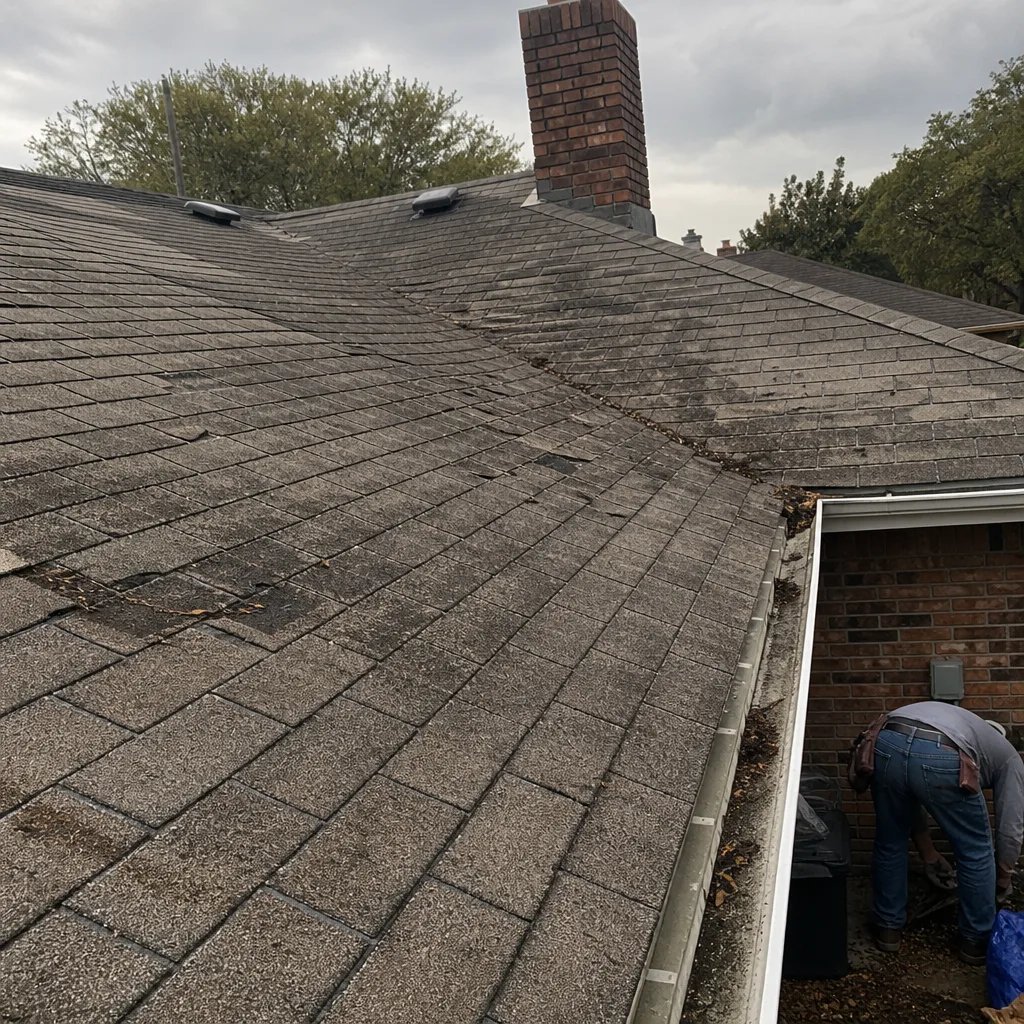 Before
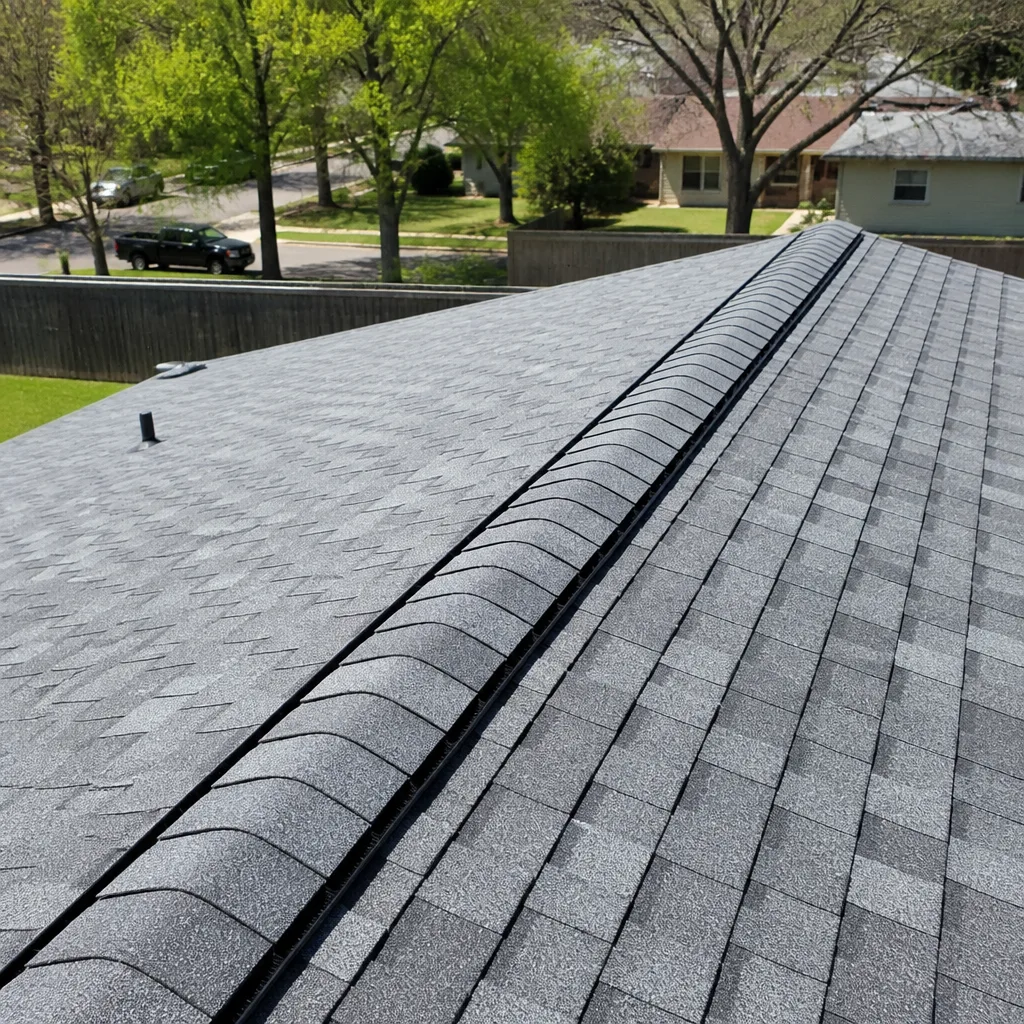 After
After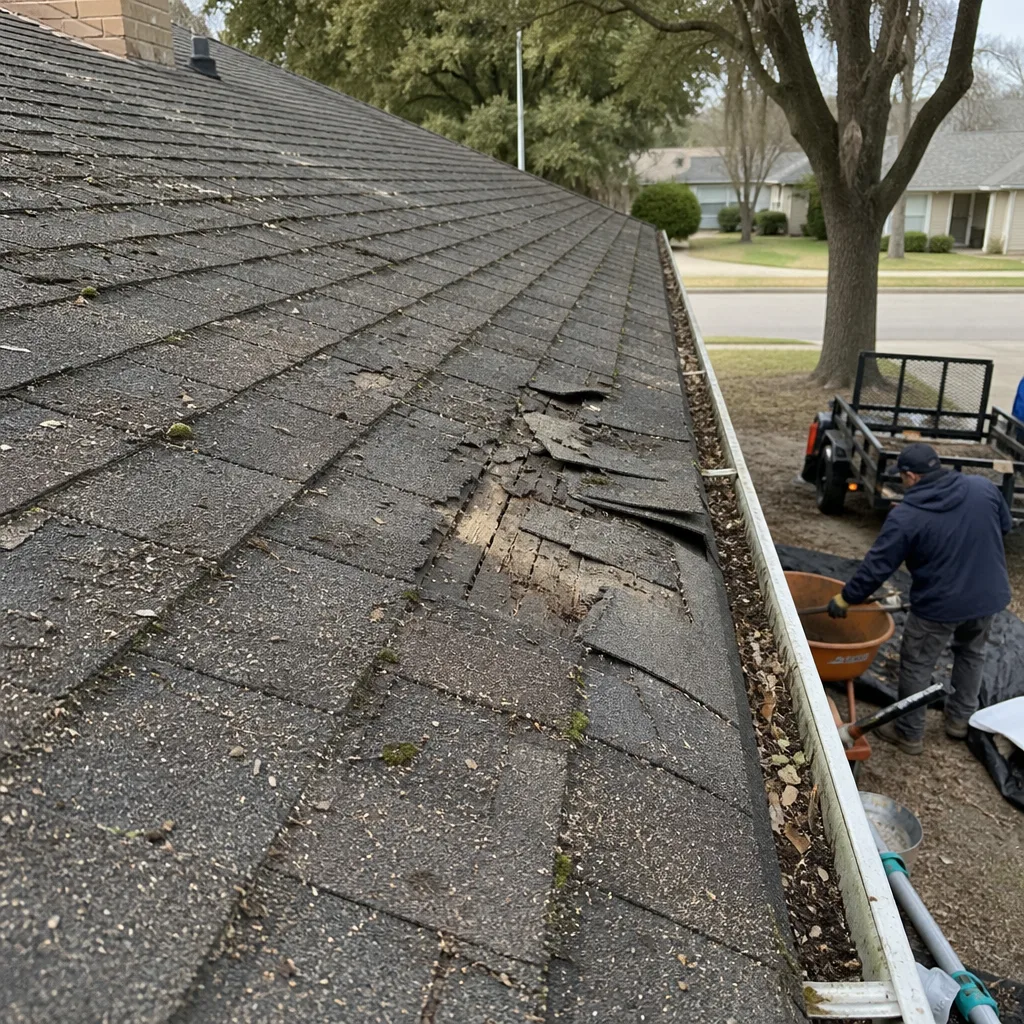 Before
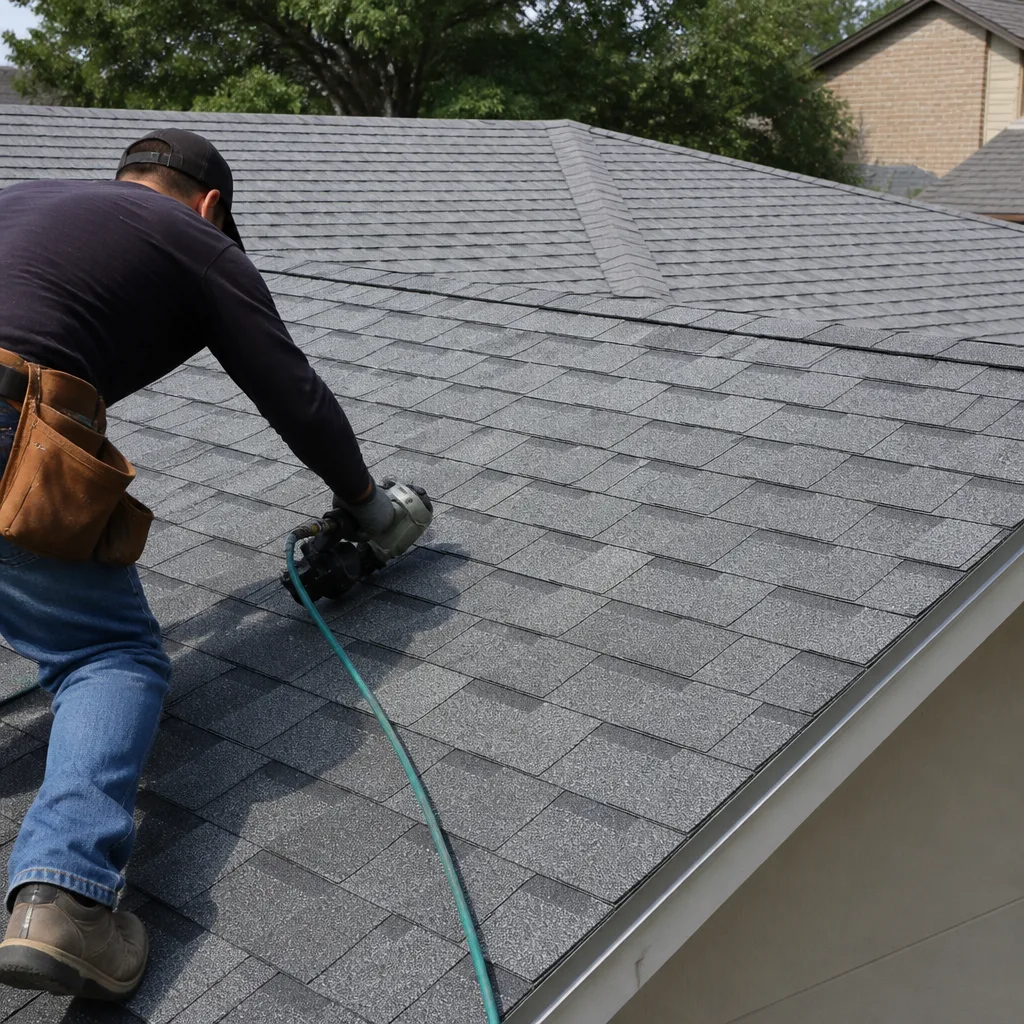 After
After