
Last updated October 17, 2026
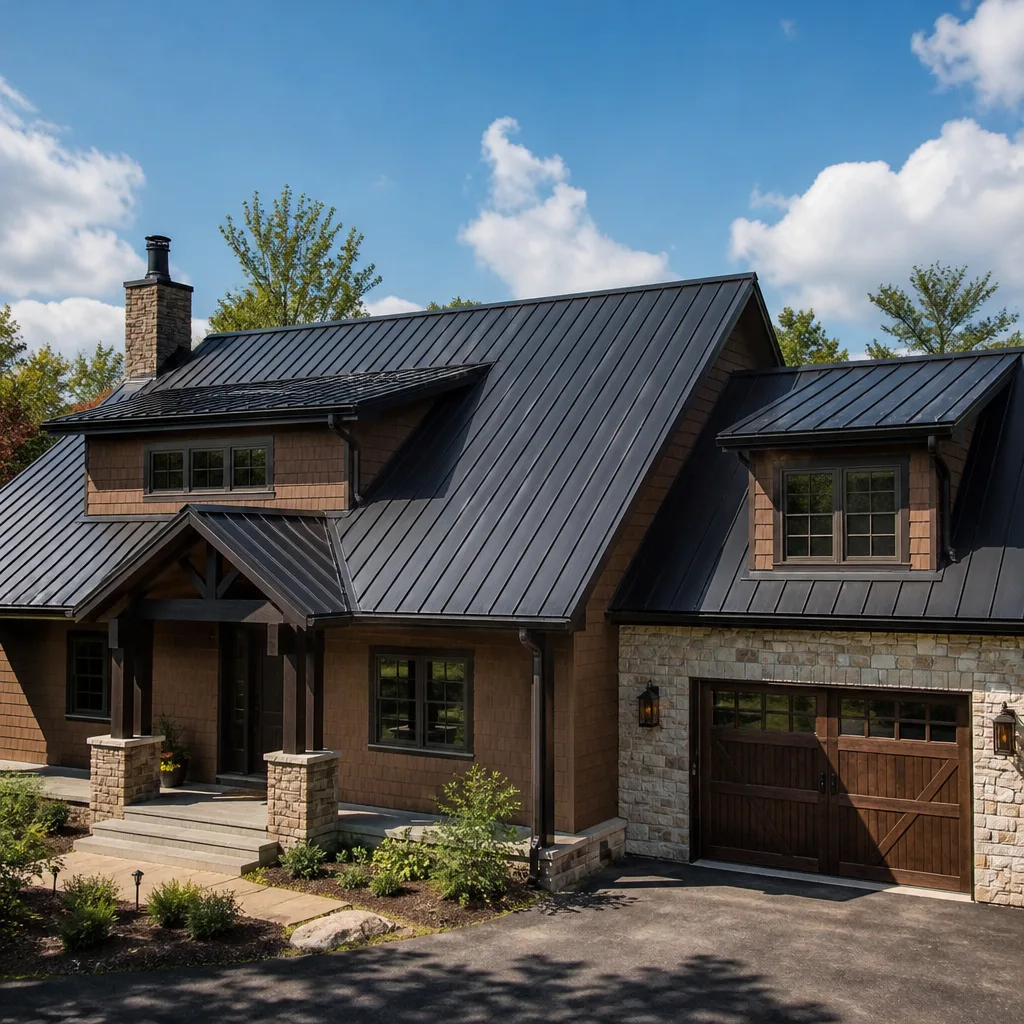 Metal roofing
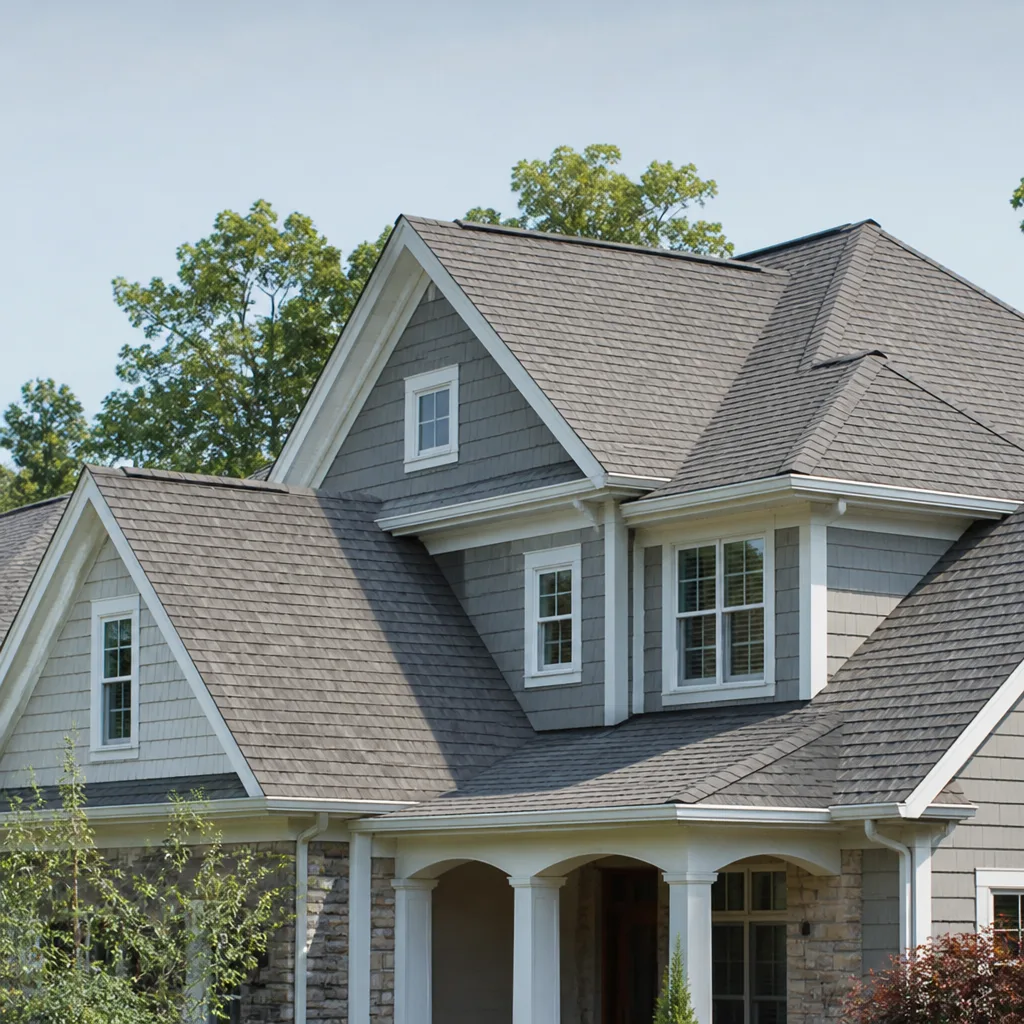 Architectural shingles
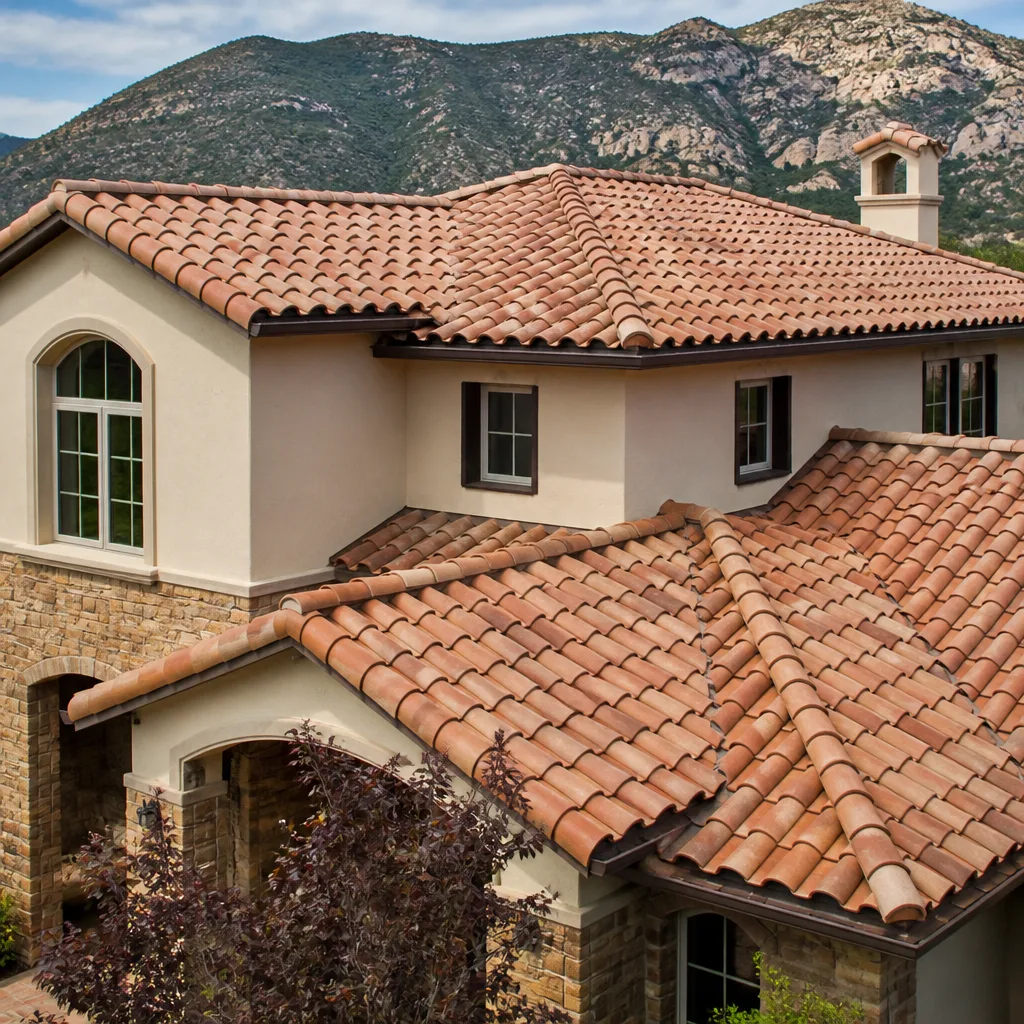 Tile roofing
 GAF
GAF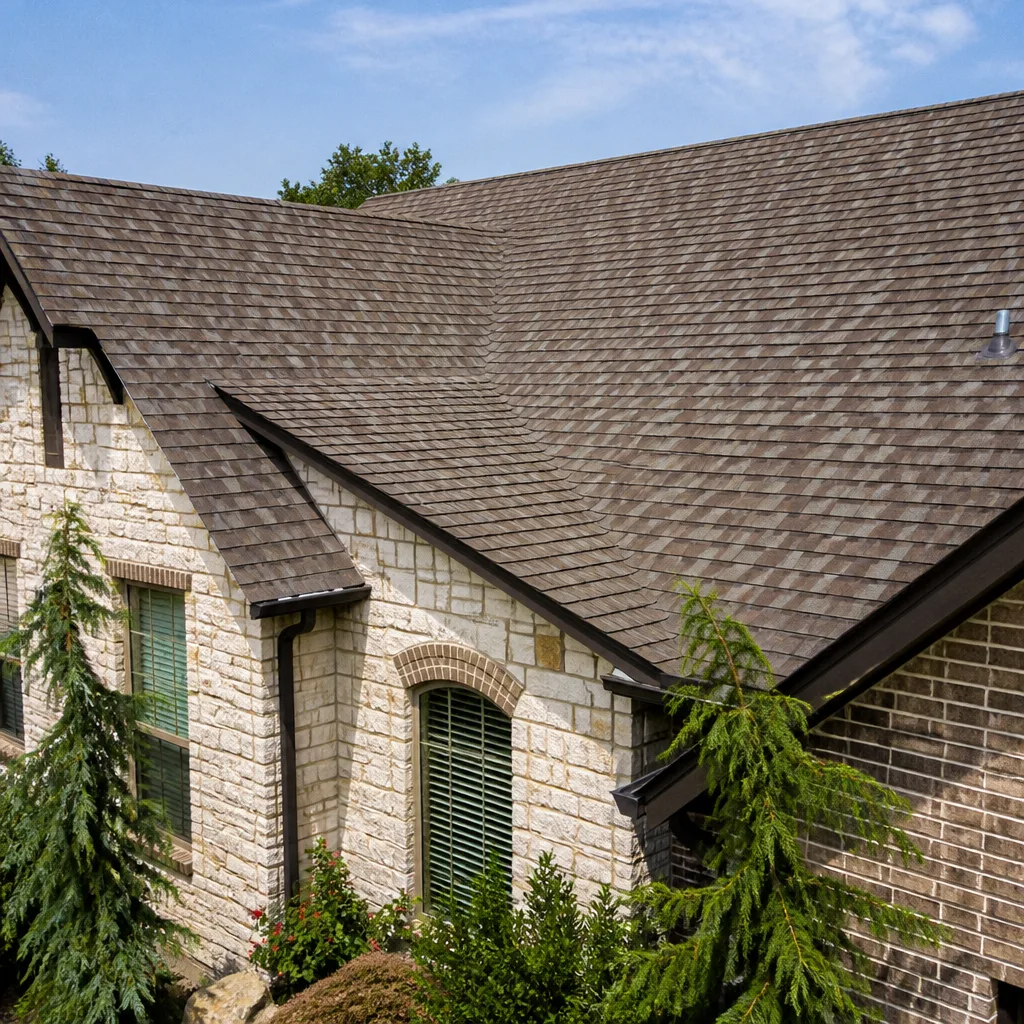 Owens Corning
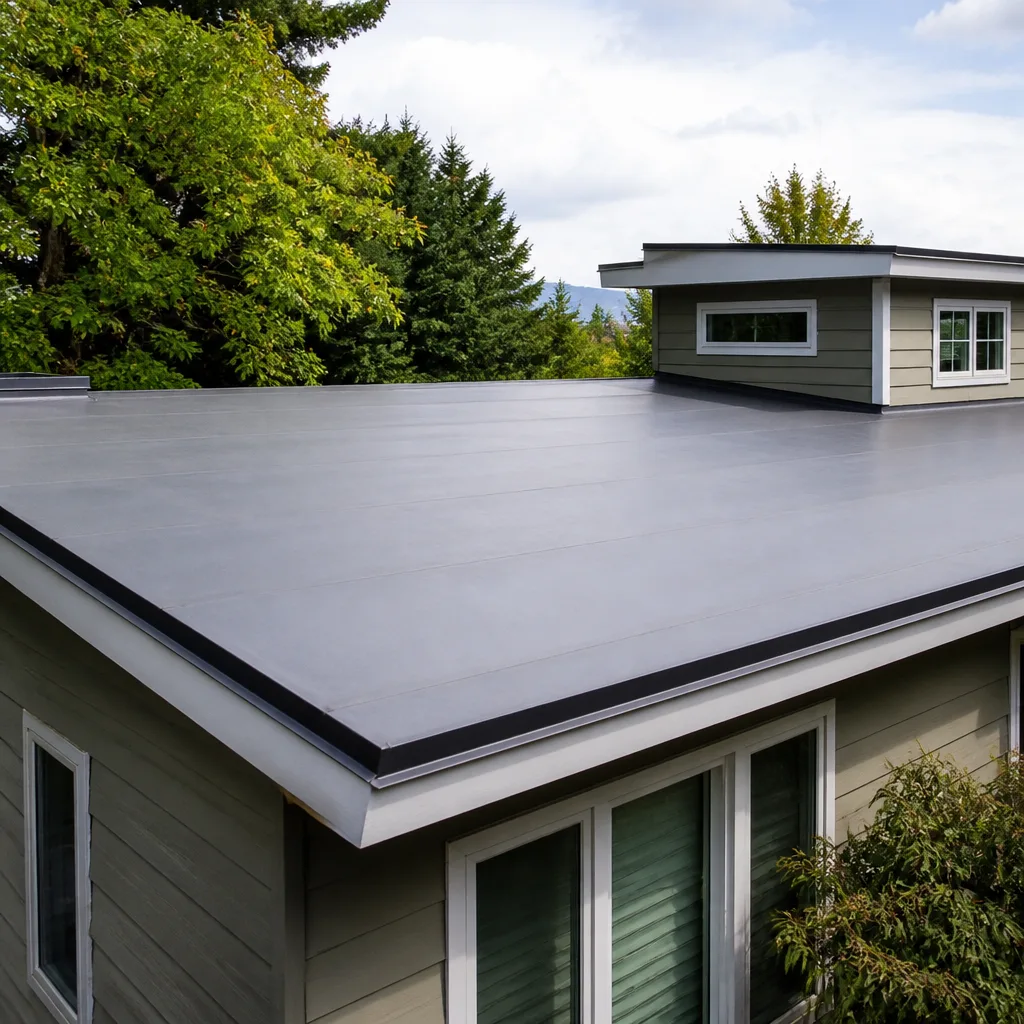 Flat & low-slope
Free roof inspection with deck photos before we talk money - GAF and Owens Corning certified installation
DIY vs Professional Roofing: The Fort Worth Homeowner’s Decision Guide
In 2024, a homeowner in Fort Worth’s Wedgwood neighborhood replaced six cracked shingles on his own. The work was clean. The materials matched. The nailing pattern was correct. Two years later, a hail storm tore through southwest Fort Worth, and his insurer denied the claim outright. The reason had nothing to do with how well he’d done the job. His policy contained a clause requiring licensed contractor documentation for any roofing work performed during the coverage period. He saved roughly $400 on the repair. He lost $14,000 on the claim. This guide walks through the real decision variables Fort Worth homeowners face when choosing between DIY and professional roofing, and most of them have nothing to do with whether you can swing a hammer. For more guidance on finding the right professional, see our step-by-step resource.
Styles & brands we work with
Quick Answer
DIY roofing in Fort Worth is genuinely reasonable for a narrow set of tasks: gutter cleaning, single shingle swaps on low-pitch roofs, and minor caulking around vents. Anything involving flashing, permits, steep pitches, or insurance claims should go to a licensed professional, because Fort Worth’s permit requirements, insurance documentation clauses, and manufacturer warranty fine print can turn a technically successful DIY repair into a six-figure financial liability. The smartest middle path is doing the prep work yourself and leaving the roof work to a pro.
Table of Contents
- The Real Cost of DIY: Beyond Materials and Time
- What Fort Worth Insurance Policies Actually Say About DIY Roof Work
- Manufacturer Warranty Fine Print: Why Class 4 Shingles Have a Catch
- When DIY Makes Genuine Sense in Fort Worth
- When DIY Is a Trap: The Four Danger Zones
- The Middle Path: Prep Work That Cuts Billable Hours
- Real Numbers: DIY vs Professional Cost Comparison for Fort Worth
- Common Mistakes to Avoid
- When to Call a Professional
- Frequently Asked Questions
- The Bottom Line
The Real Cost of DIY: Beyond Materials and Time
Every DIY roofing cost calculator works the same way: add up shingle bundles, nails, underlayment, maybe a rental nail gun, and compare it to a contractor’s quote. That math almost always favors DIY. For a complete picture, see our Roofing Cost Breakdown: The Fort Worth Homeowner’s Reference for 2026. But it ignores the three costs that actually matter in Fort Worth: permit violations, voided insurance coverage, and a dead manufacturer warranty. Those aren’t line items on a Home Depot receipt. They’re the kind of costs that show up 18 months later in a claim denial letter.
Here’s what the honest math looks like for a standard 10-by-10 repair section on a Fort Worth home:
- DIY materials (shingles, felt, nails, sealant, disposal): $180 to $320 depending on shingle grade
- DIY tool rental (nail gun, compressor, harness, roof ladder): $120 to $200 for a weekend
- DIY time: 8 to 14 hours for a first-timer, including disposal runs
- Professional repair quote for the same area: $500 to $900, materials included
On paper, DIY saves $200 to $400. But that’s before liability. A single misstep on a Fort Worth roof means a fall, and falls from any height above ten feet produce injuries that start around $30,000 in medical costs. If a neighbor kid wanders onto your property while you’re working and gets hit by a dropped tool, your homeowners liability coverage may not cover an unpermitted roofing project. The $300 you saved disappears inside the first hour of an emergency room visit.
We’ve walked through roof repairs in Fort Worth where the homeowner did a technically fine job, but the repair lacked the paper trail an insurer requires. The shingles held. The claim still died. The real cost of DIY isn’t the materials. It’s what happens after the work is done and the paper trail is missing.
What Fort Worth Insurance Policies Actually Say About DIY Roof Work
Most Fort Worth homeowners never read the documentation clause in their policy until they file a claim and get told no. Here’s the reality: many Texas homeowners policies, especially those written after the 2018 hail season, include language requiring professional installation documentation for any roofing work performed during the coverage period. The language varies, but the effect is consistent. If you did the work yourself, and you can’t produce a licensed contractor’s invoice, the insurer can argue that the roof’s condition at the time of a later loss can’t be verified by an impartial third party.
That’s the exact argument that sank the Wedgwood homeowner’s claim. It wasn’t that his repair failed. It was that no licensed professional could attest to the roof’s condition before the storm. You need to understand this with absolute clarity: the insurance carrier isn’t saying you did bad work. They’re saying they don’t have to pay because the policy language requires work to be documented by a licensed contractor, and you can’t provide that document. The workmanship is irrelevant. The documentation is everything.
What Fort Worth Policies Commonly Require
- Licensed contractor documentation for any structural, flashing, or full-section work performed within the policy period.
- Photographic evidence of the roof’s condition, taken by someone other than the policyholder, before and after any significant weather event.
- Receipts proving materials were purchased from a licensed supplier, not just any retailer, and that materials meet current wind and hail rating requirements.
- Permit records when work falls under Fort Worth’s permitting requirements (anything beyond surface-level shingle replacement).
We can’t tell you whether your specific policy contains these clauses. We can tell you that in our experience across Fort Worth, the frequency of these clauses has risen sharply since 2020, especially on homes in hail-prone corridors near Benbrook and southwest Fort Worth. The fastest way to find out is to call your agent and ask one direct question: “If I do a roof repair myself and file a claim three years from now, will the repair affect my coverage?” Get the answer in writing. If they won’t put it in writing, treat the answer as a yes.
Manufacturer Warranty Fine Print: Why Class 4 Shingles Have a Catch
Fort Worth homeowners like Class 4 impact-resistant shingles for good reason. Hail hits this city hard, and insurance carriers offer premium discounts for impact-rated roofing. Brands like GAF, CertainTeed, and Tamko all make excellent Class 4 products. But here’s what the marketing brochure doesn’t emphasize: most manufacturer warranties, especially the extended 50-year limited and lifetime warranties, require installation by a factory-certified or licensed professional contractor.
The logic is straightforward. GAF and CertainTeed warranty their products against manufacturing defects and, in some cases, installation defects. They can’t verify installation quality if they don’t know who installed the product. So they write the warranty to require professional installation, and they mean it. When a homeowner files a warranty claim for premature granule loss or cracking, the first document requested is the original installation invoice from a licensed contractor. No invoice. No warranty. A DIY installation of GAF shingles does not fail the shingles. It fails the warranty.
The Specific Warranty Requirements That Bite DIYers
- CertainTeed: Extended and lifetime warranties require installation by a credentialed contractor and registration within 60 days of installation.
- GAF: Golden Pledge and Silver Pledge warranties are only available through GAF-certified contractors. Standard warranties require professional installation for full coverage.
- Tamko: Limited warranties require professional installation; extended coverage is available only through certified installers.
So the math changes again. You pay $250 for DIY materials and install them correctly. Five years later, the shingles develop a manufacturing issue. The manufacturer asks for your installer’s license number. You don’t have one. The warranty you thought you were getting with the purchase price turns out to be worth exactly zero dollars. A licensed contractor installing the same materials would have charged more, but the warranty would be enforceable. For a roof that costs $12,000 to $18,000 to replace in Fort Worth, that warranty has real financial value.
When DIY Makes Genuine Sense in Fort Worth
We’re not anti-DIY. We’re anti-expensive-surprise. There are specific tasks where doing it yourself is genuinely reasonable, safe, and won’t put your insurance or warranty at risk. Our Roof Repair Maintenance Checklist for Fort Worth Homeowners covers which tasks fit this zone. The ground rules are simple: if the task doesn’t require a permit, doesn’t touch structural elements, doesn’t put you on a steep pitch, and doesn’t create a paper trail requirement, then it’s fair game.
Tasks Where DIY Is Reasonable
- Gutter cleaning and debris removal: Fort Worth’s oak trees drop leaves and acorns that clog gutters fast. Cleaning them yourself, from a ladder, with a helper, is a sensible twice-yearly task.
- Single shingle replacement on low-pitch roofs: if you have a 3/12 to 4/12 pitch roof and one shingle is cracked from a wind gust, and the roof is under ten years old, a careful DIY replacement with matching shingles is reasonable. Use a harness, work with a spotter, and don’t do it in July.
- Minor caulking around vents and pipe boots: small gaps in sealant around vent pipes can be addressed with a quality roofing sealant from a ladder, without setting foot on the roof deck.
- Interior checks and documentation: photographing attic rafters after a storm, marking interior stain locations with painter’s tape, and keeping a dated photo log. This is not roofing work. This is claim preparation, and every Fort Worth homeowner should do it.
Notice what these tasks share. None of them require a permit. None of them touch flashing or structural components. None of them put you walking a roof deck more than a few feet above the eave. And none of them become part of an insurance claim audit trail that requires professional documentation. That’s the whole framework. If the task stays in that box, DIY is fine. Step outside the box, and you’re playing a different game.
When DIY Is a Trap: The Four Danger Zones
Now the flip side. There are four categories of roofing work where DIY, regardless of skill level, creates risk that no material savings can offset. In Fort Worth, these aren’t edge cases. They’re the most common types of repair.
Danger Zone 1: Anything Requiring a Fort Worth Permit
The City of Fort Worth requires permits for structural roof work, including any repair that involves replacing decking, altering roof slope, or re-roofing more than a specified area threshold. The exact square footage rule has been revised multiple times, so we won’t quote a number you should verify with the city. The principle stands: if your repair goes beyond surface shingles, you may need a permit, and unpermitted work creates two separate problems. First, the city can issue a stop-work order or require teardown of non-permitted work. Second, unpermitted work is the easiest possible excuse for an insurance denial. The carrier doesn’t have to evaluate your workmanship. They just have to point out that Fort Worth requires a permit and you didn’t get one.
Danger Zone 2: Any Flashing Work
Flashing, the metal strips that seal joints around chimneys, skylights, dormers, and wall intersections, is where most roof failures originate. In Fort Worth, our freeze-thaw cycles and heavy spring rains stress flashing harder than any other component. A flashing mistake doesn’t show up immediately. Water wicks slowly behind the shingles, rots the decking sheathing, and by the time a stain appears on your ceiling, you’re looking at a repair that costs ten times the original fix. Flashing work requires removing adjacent shingles, cutting and folding metal precisely, and sealant application that holds through Fort Worth’s 40-degree temperature swings in February. Most homeowners, even skilled ones, make a sealant decision that fails within 18 months. And they never know it failed until the ceiling stain.
Danger Zone 3: Steep Pitches Over 6:12
A 6:12 roof means the roof rises six vertical inches for every twelve horizontal inches. That’s roughly a 26-degree slope. Above that angle, walking requires roof jacks and planks installed by someone who knows how to distribute load. Below that angle, most people can walk carefully with a harness. Above it, the risk of a fall grows fast. Many Fort Worth homes built in the 1980s and 1990s have roofs between 7:12 and 9:12, steep enough that professional crews use safety equipment and still lose footing in moss or loose granules. A DIYer on a 8:12 roof with a hammer in one hand and a shingle in the other is one awkward step from a twelve-foot fall to concrete. The injury isn’t the cost. The weeks off work are the cost.
Danger Zone 4: Insurance-Claimed Repairs
This is the least discussed trap and the most financially dangerous. If a storm has already caused damage, and you’re about to file a claim, do not touch the roof before speaking to your adjuster. A DIY repair performed before adjustment can invalidate the claim by making the adjuster’s damage assessment impossible. You can cover the damaged area with a tarp to prevent interior water damage. That’s accepted practice. But replacing shingles, moving debris, or altering the damage pattern in any way can be cited as spoliation of evidence. In Fort Worth, with our hail frequency, this scenario plays out dozens of times every spring. The storm hits on Tuesday. The homeowner patches the roof on Wednesday. The adjuster arrives on Thursday and finds a patch where a hail pattern should be. Claim denied or reduced. The proper order is: tarp, document, call insurer, call roofer. Any other order risks the claim.
The Middle Path: Prep Work That Cuts Billable Hours
Here’s a better framework than DIY-versus-pro. Most Fort Worth homeowners who want to save money should be thinking about what they can do to prepare for a professional visit, not what they can do instead of one. The goal is simple: reduce the billable hours a contractor has to spend so the quote comes in lower without you touching the roof.
What can you legitimately do yourself, safely, without a ladder on a roof pitch? The answer is a lot.
- Take attic photos before the roofer arrives: clear photos of rafters, decking, and any visible water stains from inside the attic. These tell the roofer where problem areas are before they even set up a ladder. Photos from inside also document roof condition for insurance purposes without requiring a professional photographer.
- Mark interior stains with painter’s tape: when water stains appear on ceilings, mark the perimeter of the stain with blue tape and write the date. This shows the roofer how quickly the stain is spreading, which helps identify the source location on the roof above.
- Clear debris from gutters and downspouts before the visit: a roofer who doesn’t have to spend 20 minutes clearing your gutters before starting the diagnostic is billing for diagnosis only. It’s the same principle as cleaning your house before a plumber arrives.
- Move vehicles and patio furniture: if the roofer needs to access the roof from a specific side, clearing the ground area in advance saves setup time. If you’re getting a full replacement quote for a Fort Worth roof replacement, having a clear perimeter around the house speeds up the estimator’s measurement and tear-off setup.
- Document the roof from the ground: take photos from the sidewalk, from across the street, from a drone if you have one. Any imagery you provide reduces the contractor’s time on the roof during the first visit.
None of this is glamorous. All of it reduces cost. A professional roofer charging $125 per hour for diagnostic time, and most credible Fort Worth roofers charge in that range, will bill less if you’ve already done the legwork they’d otherwise have to do. You’re not doing roof work. You’re doing paperwork and observation. That’s the smart version of DIY.
Real Numbers: DIY vs Professional Cost Comparison for Fort Worth
Let’s put honest numbers side by side for three common Fort Worth scenarios. These reflect 2025 pricing in the Fort Worth metro area, not national averages. If you get a quote significantly below these ranges, ask why. If you get a quote above, ask for line-item detail. Any roofer worth hiring will give you a written price, before work starts, without hesitation. That’s the standard we operate under, and it’s the standard you should demand from anyone you invite onto your property.
| Scenario | DIY Cost (Materials, Tools, Time Value) | Professional Cost | Difference | What the Difference Buys |
|---|---|---|---|---|
| Single shingle replacement on low-pitch roof | $35 to $60 | $150 to $250 | $100 to $200 | Documentation for insurance file, warranty preservation |
| Small repair around vent pipe (re-seal and patch, no structural) | $50 to $100 | $250 to $400 | $150 to $300 | Flashing inspection, sealant warranty, photo documentation |
| Full section repair (10×10 area, new underlayment, flash re-bed) | $250 to $450 | $600 to $1,100 | $350 to $650 | Licensed contractor documentation, manufacturer warranty preserved, permit if required, liability coverage |
The pattern is obvious. The bigger the job, the more the professional premium buys you, and the more the DIY savings shrink relative to the liability you’re assuming. For full section repairs, the professional premium is buying you a paper trail that holds up in a claim dispute and a warranty that still functions if the materials fail. For a single shingle, the math is close enough that either choice is defensible, assuming you’re working on a low-pitch roof with proper safety gear.
One more number that never appears in DIY calculators: the resale cost. If you sell your Fort Worth home within five years and the buyer’s inspector finds evidence of amateur roofing work, you’ll negotiate from weakness. A repair that looks done-but-not-professional becomes a repair credit on the closing statement. That credit, on a Fort Worth home in the $300,000 to $500,000 range, typically runs $1,500 to $5,000 depending on the inspector’s notes. The $400 you saved on DIY just cost you ten times as much in seller concessions.
What a Professional Fort Worth Estimate Includes
- Written line-item pricing before any work starts, with the full scope described in plain English, not just a single number scrawled on a carbon form.
- Material specifications from named manufacturers, including shingle grade, underlayment type, and sealant specifications matched to Texas heat and Fort Worth freeze-thaw conditions.
- Documentation plan: photos before and after, a written invoice, and a work order that becomes your insurance paper trail if you need it later.
- Warranty terms in writing, including the duration and what specifically is covered. At Crestview Roofing Co, every repair carries a 365-day written guarantee, no fine print, no exclusions for Fort Worth weather.
Your takeaway from this section should be simple: if a roofer won’t put the price in writing before starting work, the price is not the number on the page. The price is whatever they tell you it is when the invoice arrives. That’s the single biggest cost difference between a professional and a non-professional that no calculator captures.
Common Mistakes to Avoid
- Doing a DIY repair before filing an insurance claim: this is the most expensive mistake we see in Fort Worth, and it happens after every major hail event. Tarp it, photograph it, don’t touch it. Any evidence alteration can void the claim. When the hailstorm passes through Benbrook or Haltom City, we get calls from homeowners who already replaced shingles and are now fighting a denial.
- Ignoring the permit requirement and hoping no one notices: Fort Worth’s code enforcement is responsive to neighbor complaints, and unpermitted roof work is easy to spot from the street. The fine is not the issue, the removal order is.
- Using the wrong sealant because it was cheaper: Fort Worth roofs see temperature swings from 15 degrees in February to 100 degrees in August. A bargain sealant that fails in the heat is a roof leak waiting for next spring’s rain season. Spend the money on a sealant rated for Texas climate extremes.
- Assuming a manufacturer warranty applies to DIY installation: it doesn’t, on any major brand we install, including GAF, CertainTeed, and Tamko. When a DIY-installed shingle fails, the manufacturer’s first question is your installer’s certification.
- Working on a steep roof with a standard ladder and no harness: every year in the Fort Worth metroplex, a homeowner is seriously injured or killed by a roof fall. The fall doesn’t care that you were only going to be up there for five minutes.
- Patching over rotten decking instead of replacing it: if the plywood under the shingles is soft, you’re not patching a roof, you’re postponing a structural failure. The shingle is cosmetic. The decking is load-bearing.
- Not reading your insurance policy’s roofing clause before doing any work: the homeowner from the opening story didn’t either. It cost him a $14,000 hail claim. Your policy is a contract, and you’re bound by the clauses you never read.
When to Call a Professional
Call a professional roofer when the work involves a permit, flashing, a roof pitch steeper than 6:12, or any repair connected to an insurance claim. Call also when you see signs of water intrusion that haven’t produced an obvious source on the roof’s surface. Interior leaks that don’t trace to visible shingle damage usually mean flashing failure, and flashing failure is not a DIY repair. If you’ve made a DIY repair and it failed, that’s another moment to call. The repair didn’t fail because you’re bad at roofing. It failed because the problem was bigger than the visible surface. Crestview Roofing Co Fort Worth offers free estimates in Fort Worth, call (682) 730-3548 to schedule one. We’ll tell you honestly whether the issue is something you can handle yourself or needs professional attention. We’d rather give you a free assessment than watch you spend money on a repair that won’t hold.
Frequently Asked Questions
A typical minor roof repair in Fort Worth runs between $250 and $500, while larger section repairs or flanking work run $600 to $1,200. The range depends on the repair type, roof pitch, and whether decking replacement is required. Call (682) 730-3548 for an exact quote, estimates are free and the written price never changes once work begins.
Insurance typically will not reimburse DIY repairs, because most Fort Worth policies require licensed contractor documentation for any roofing work performed during the coverage period. Even if the repair succeeds, the missing paper trail can void a later claim. Check your policy’s roofing clause before touching the roof.
Replacing a single shingle on a low-pitch roof typically does not void the manufacturer warranty, provided the replacement shingle matches the original and the work is documented. The warranty voiding occurs when you re-roof significant sections or do flashing work without professional installation. For a single shingle on a 3/12 or 4/12 roof, DIY is defensible.
Any roof pitch above 6:12 (roughly 26 degrees) creates a meaningful fall risk that requires professional safety equipment and training. Many Fort Worth homes built in the 1980s and 1990s sit between 7:12 and 9:12, which means their roofs are in the professional-only category.
Most standard repairs take 2 to 4 hours on site, with larger section repairs or flashing work taking a full day. A full roof installation in Fort Worth typically takes 1 to 3 days depending on roof size and weather. Your roofer should give you a time estimate in writing before work begins.
Document the damage with photos, tarp the affected area to prevent interior water damage, and call your insurance company before making any repairs. Do not replace shingles or alter the damage pattern before an adjuster visits. Then call a licensed roofer for a professional assessment and written estimate.
The Bottom Line
The DIY versus professional roofing decision is not really about skill. It’s about paperwork. In Fort Worth, where permits, insurance documentation clauses, and manufacturer warranty requirements intersect, a homeowner can do technically perfect work and still lose thousands of dollars to a claim denial or a dead warranty. The reasonable DIY zone is small: gutters, single shingles on low pitches, minor caulking. Everything else, including all flashing work, any permit-required repair, and anything associated with an insurance claim, belongs with a licensed professional who provides written documentation. The smartest cost-saving move isn’t doing the work yourself. It’s doing the prep work, then calling a roofer who puts the price in writing before starting. For more guides & resources on protecting your Fort Worth home, explore our blog. That’s the only way to know the number on the page is the number on the invoice.
Written by Dylan Pace, Owner at Crestview Roofing Co Fort Worth, serving Fort Worth since 2000.
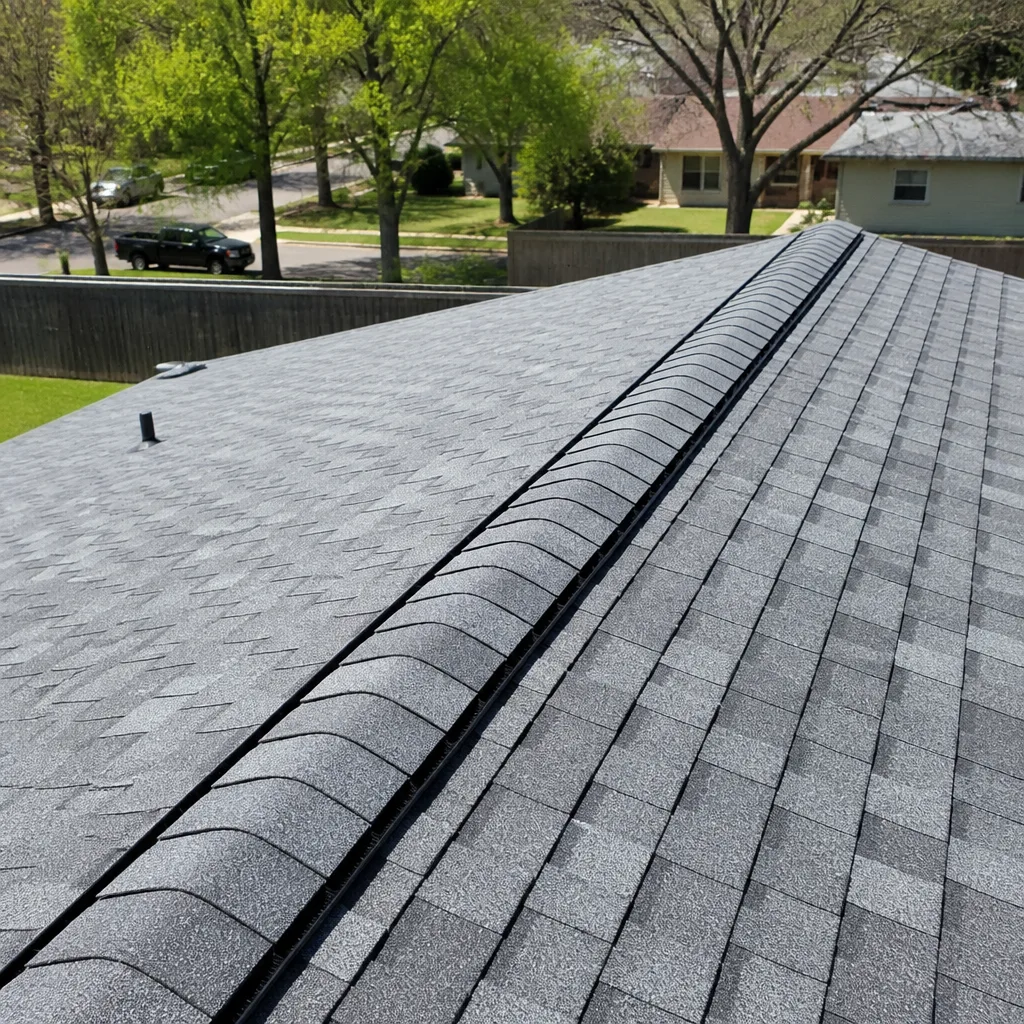
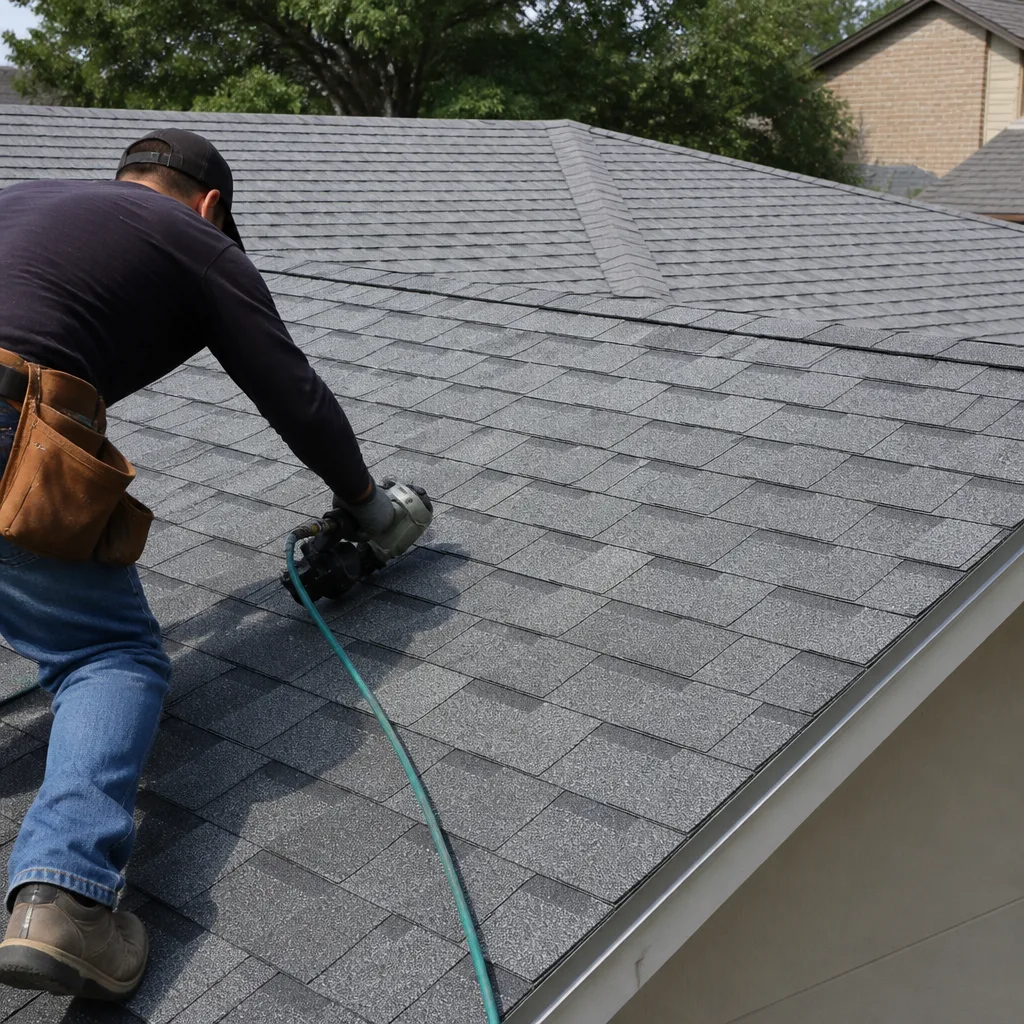
See the difference
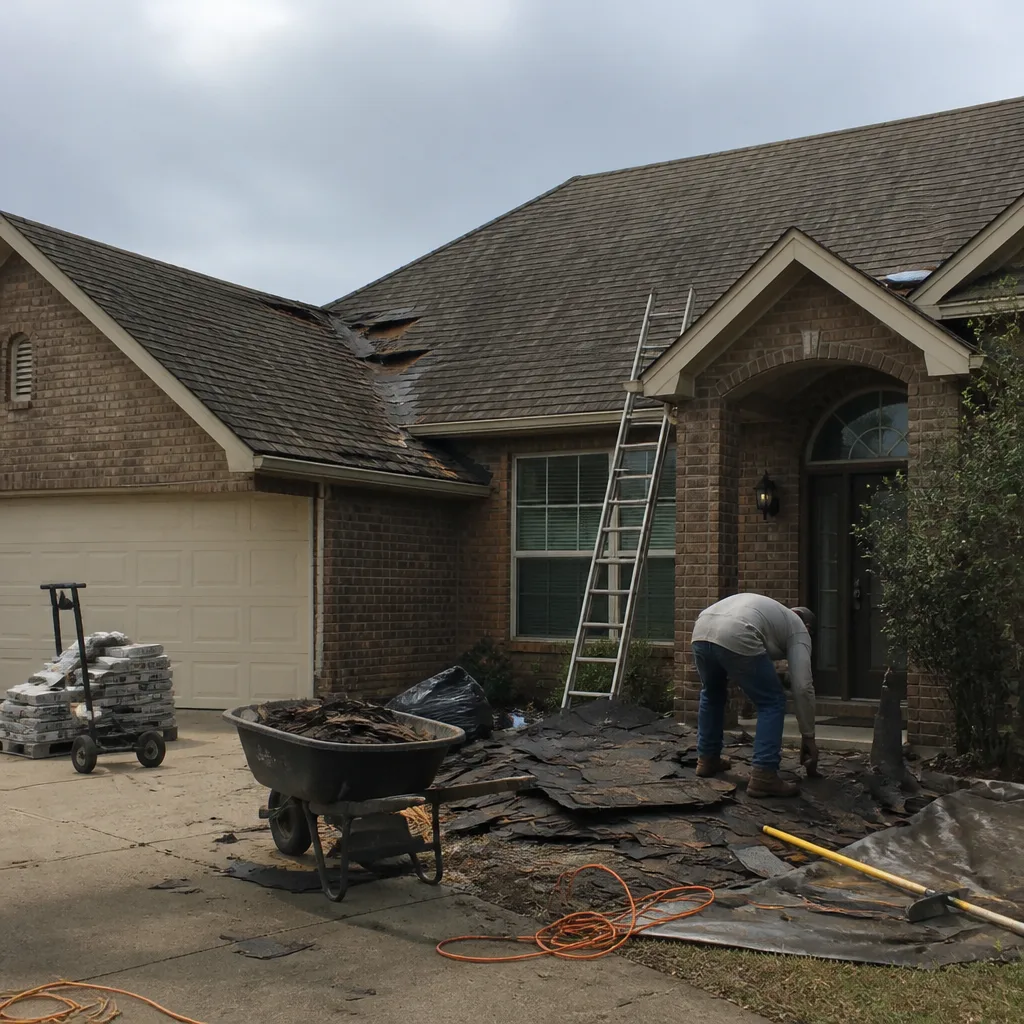 Before
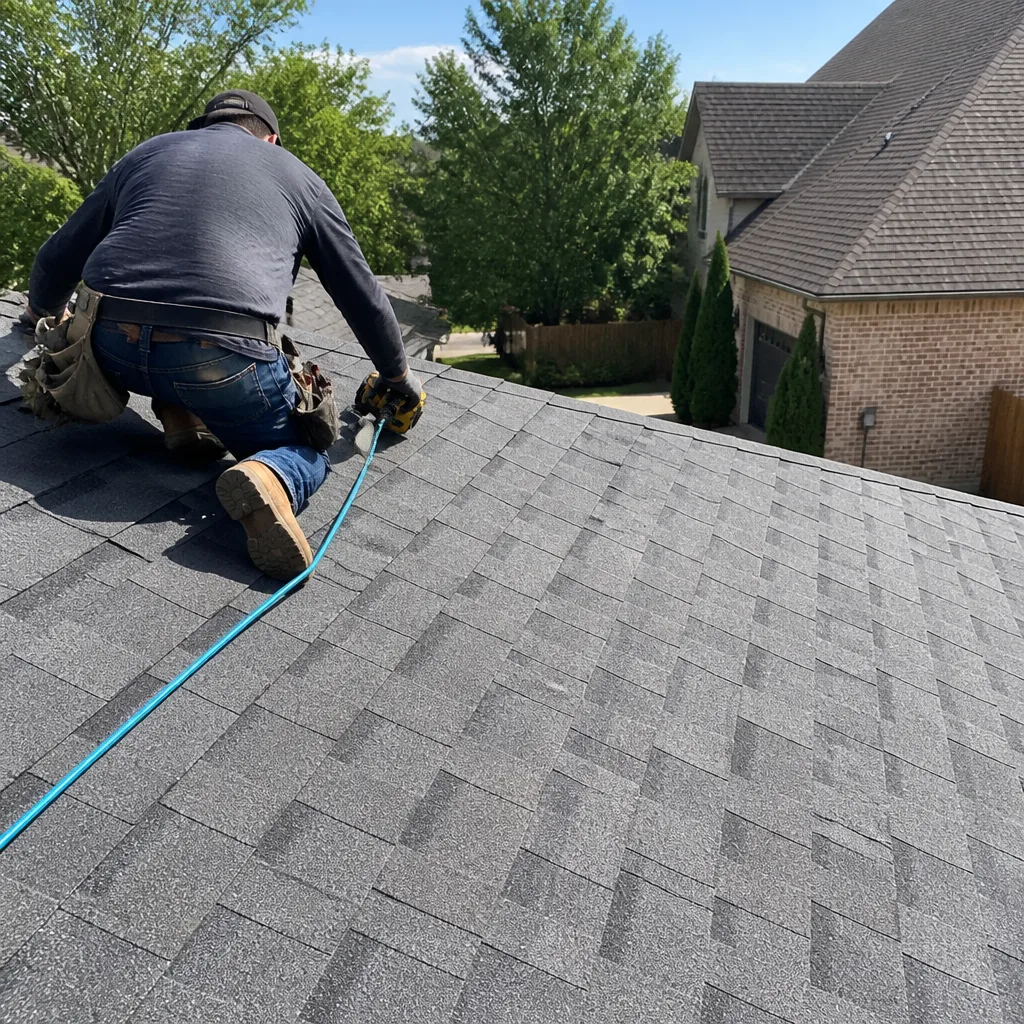 After
After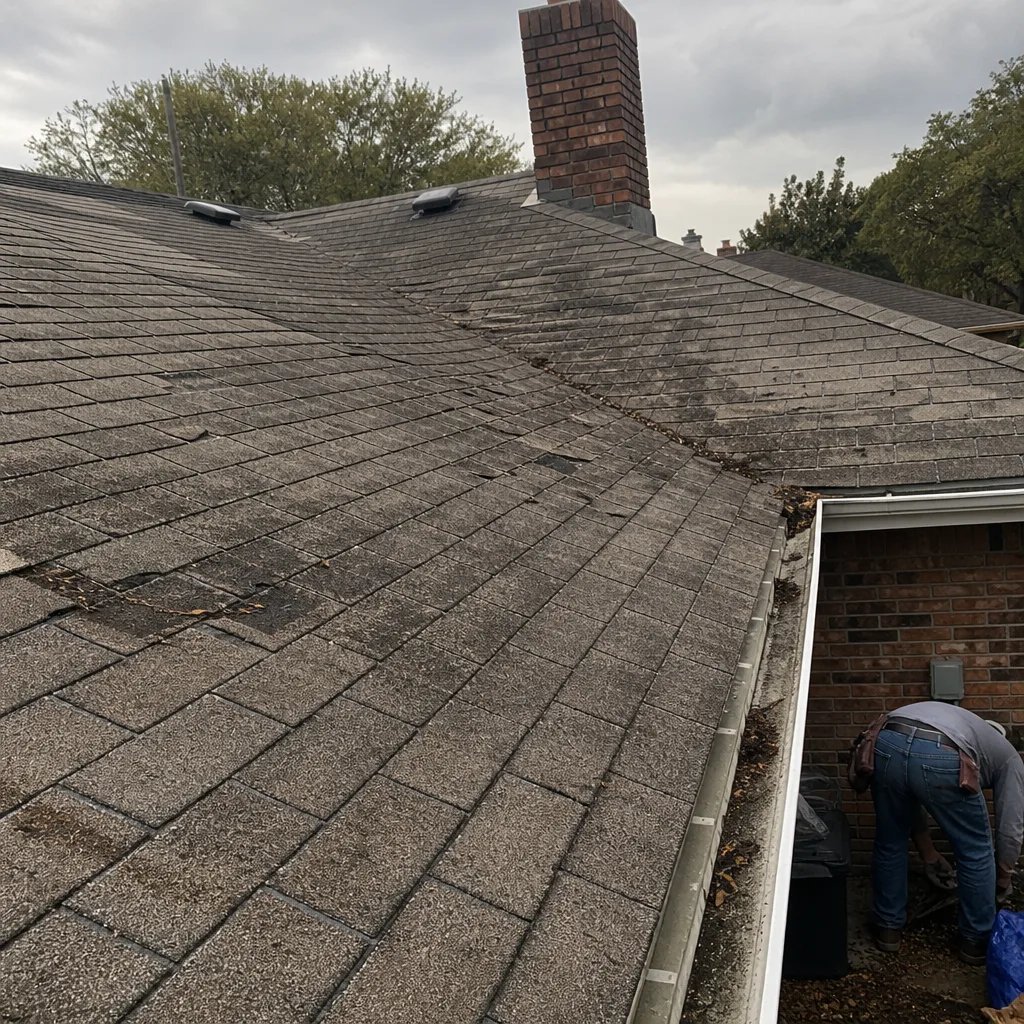 Before
 After
After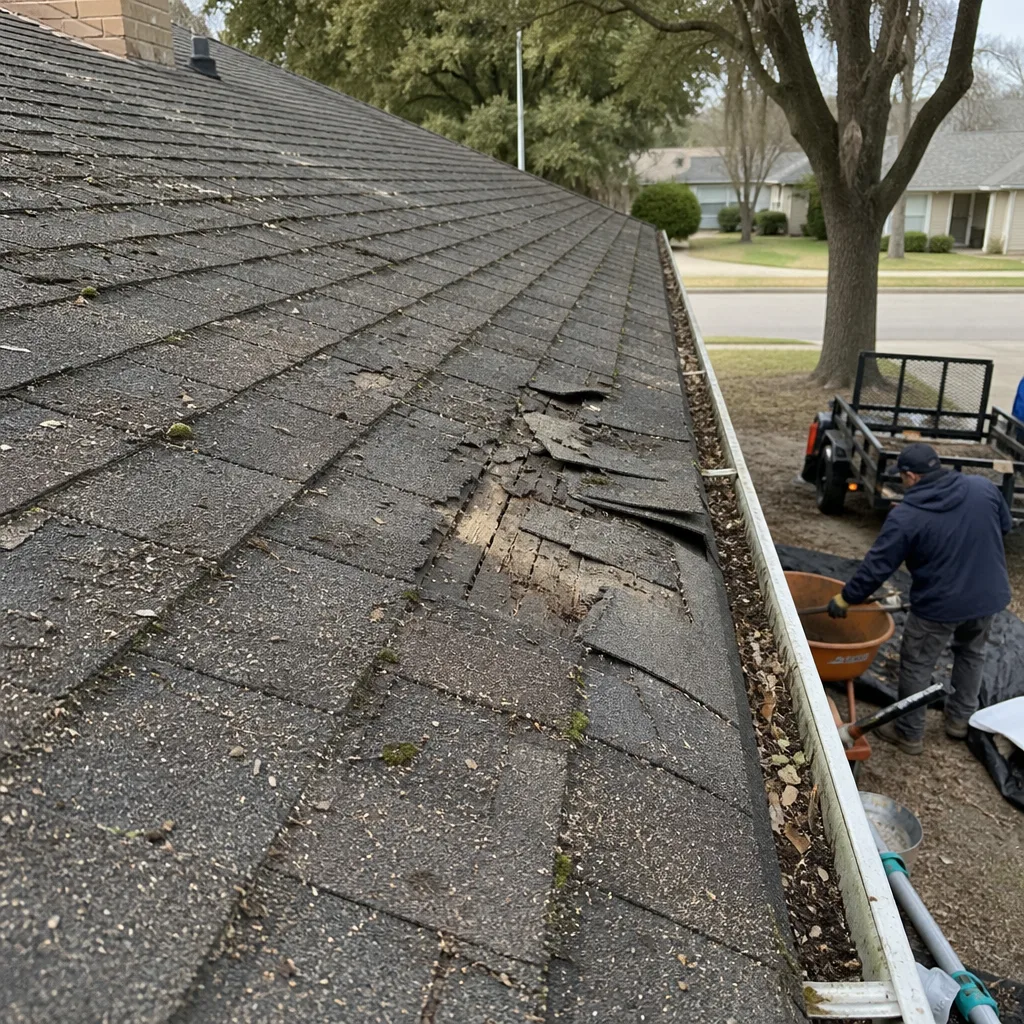 Before
 After
After