
Last updated October 17, 2026
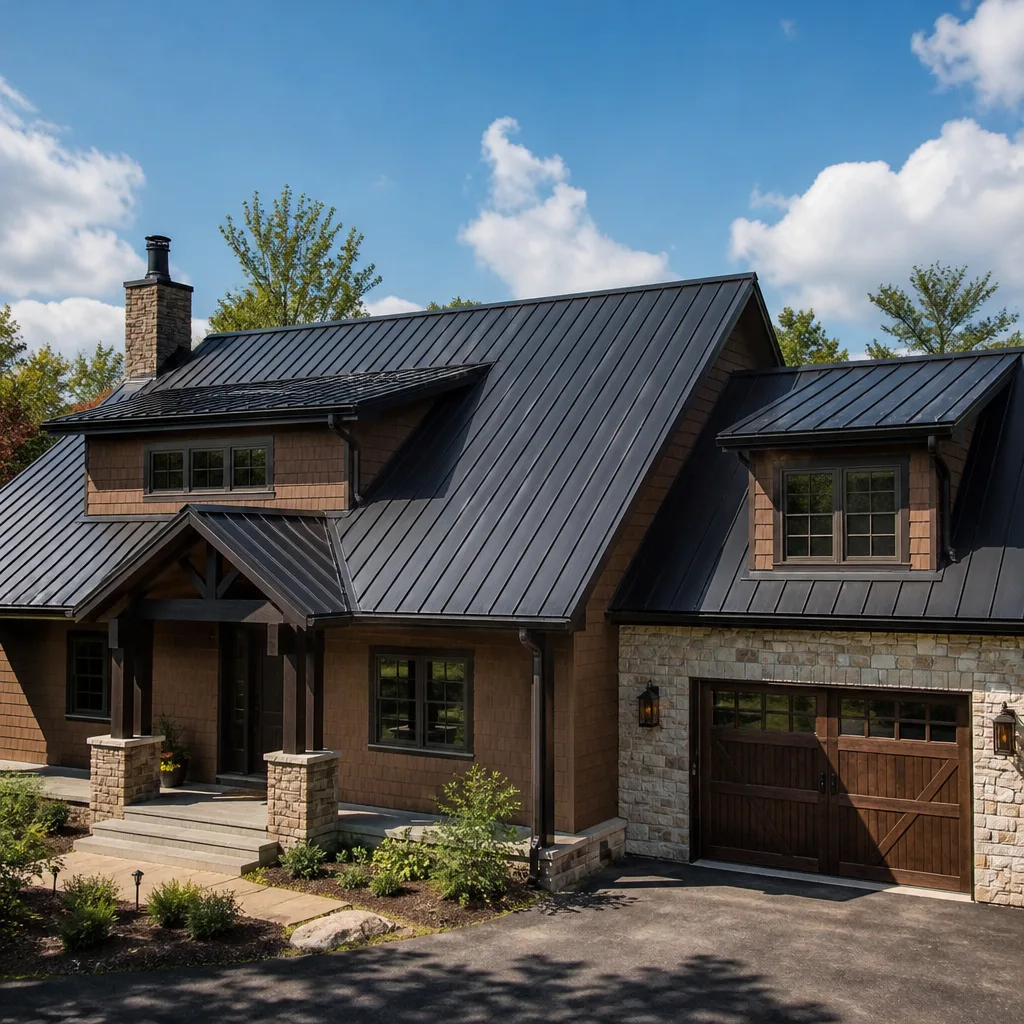 Metal roofing
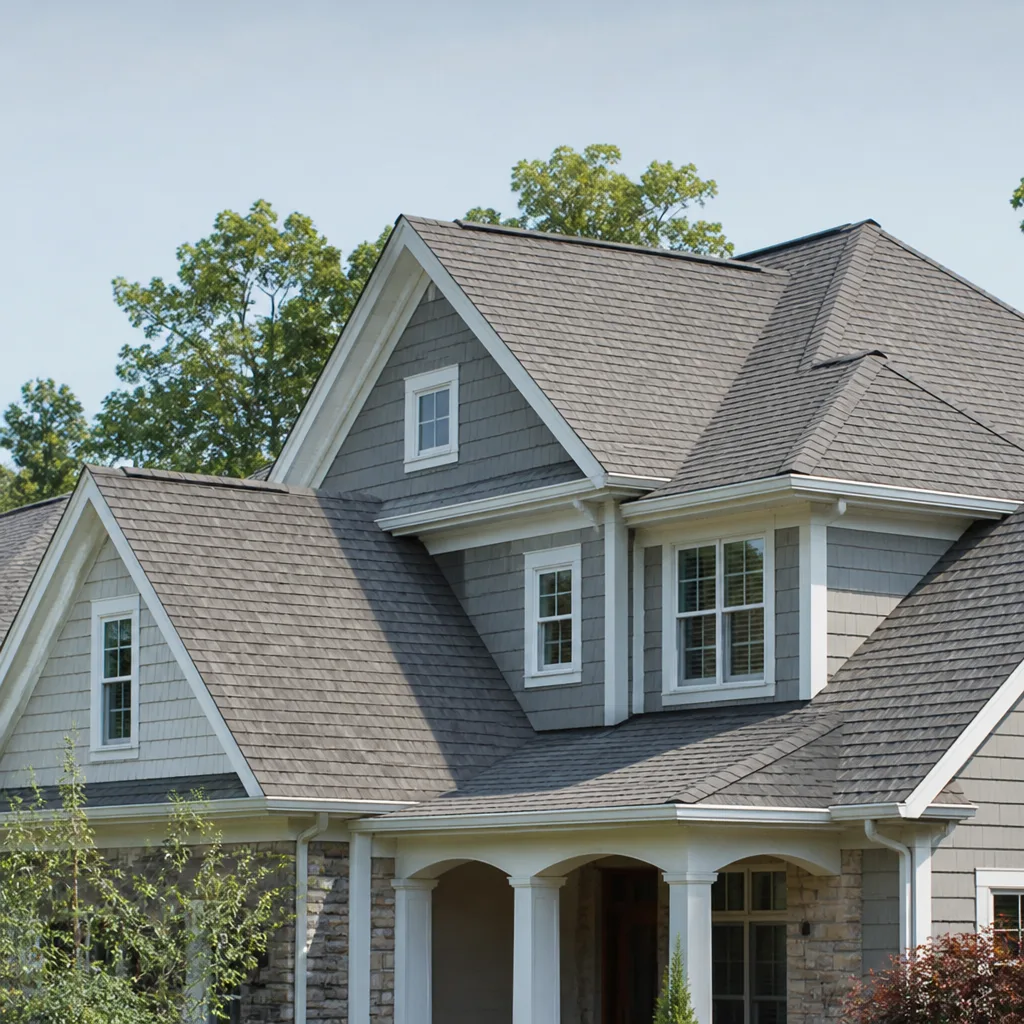 Architectural shingles
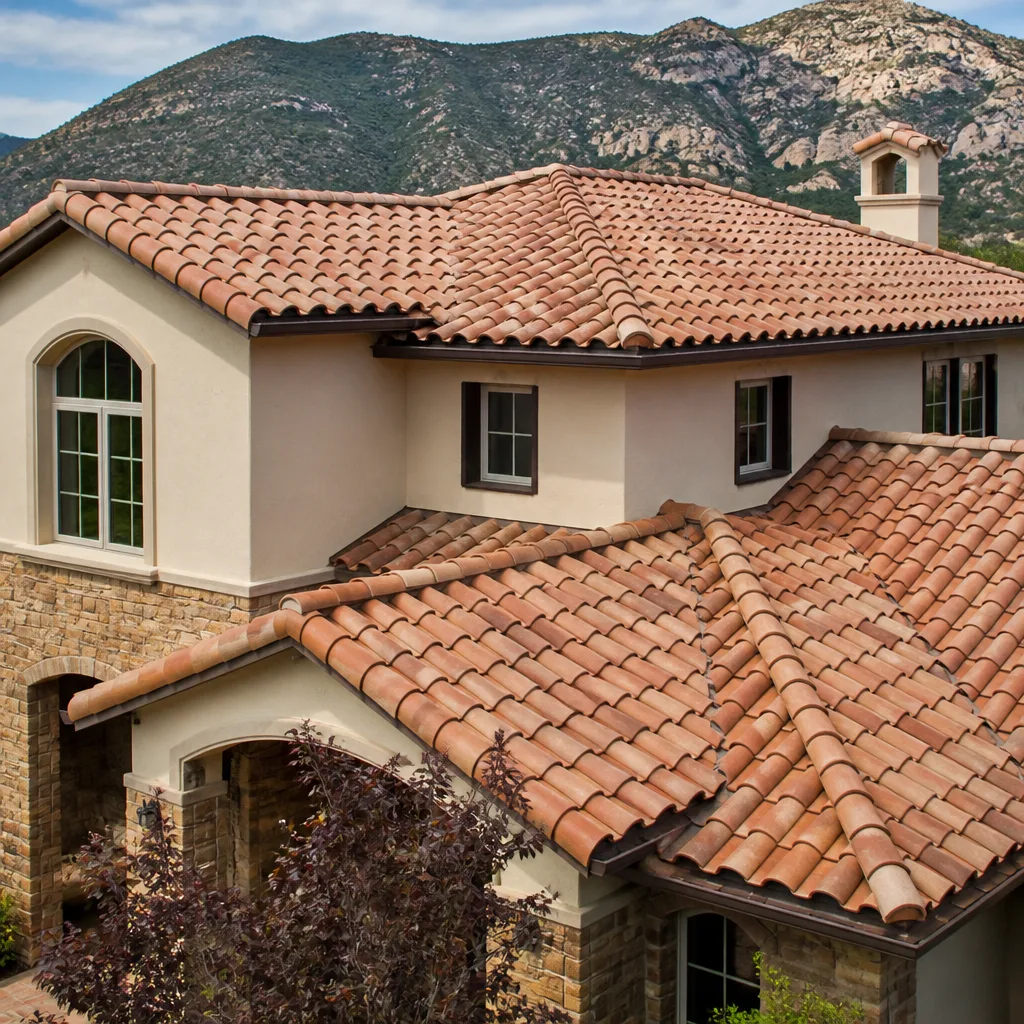 Tile roofing
 GAF
GAF Owens Corning
 Flat & low-slope
Free roof inspection with deck photos before we talk money - GAF and Owens Corning certified installation
Roofing Permits, Codes & Inspections in TX: What You Need to Know
Here’s a scenario we see more often than we’d like in Fort Worth: a homeowner has a contractor replace her entire roof without pulling a permit. Two years later, a hailstorm rolls through Tarrant County and she files a claim. Her insurer asks for the permit record and inspection documentation. There is none. The claim gets denied, not because the roof was installed wrong, but because the work was never documented on record with the city. Most homeowners assume a roofer pulling a permit is a given. It isn’t. This guide-along with our The Complete Guide to Roofing in Fort Worth-explains exactly when Fort Worth requires a roofing permit, how local code amendments differ from what other Texas cities enforce, what inspections actually look like, and how to verify your contractor did what they said they did.
Styles & brands we work with
Quick Answer
Fort Worth requires a roofing permit for any roof replacement that involves removing more than 100 square feet of existing roofing material. Repairs under that threshold can proceed without a permit, provided the work doesn’t alter the roof structure. Permits are issued through the Fort Worth Development Services Department, and every permitted roof must pass a final inspection before the project is legally complete.
Table of Contents
- When Fort Worth Requires a Roofing Permit
- Fort Worth’s Amendments to the 2021 IRC: What’s Different Here
- The Inspection Sequence: Rough-In, Final, and What Inspectors Actually Check
- How Long Permit Approval Takes in Tarrant County
- HOA Architectural Review vs. City Permits: When They Conflict
- How to Verify Your Contractor Actually Pulled the Permit
- What Roofing Permits Cost in Fort Worth
- Common Mistakes to Avoid
- When to Call a Professional
- Frequently Asked Questions
- The Bottom Line
When Fort Worth Requires a Roofing Permit
Fort Worth’s Development Services Department uses a simple threshold: if a roofing project removes or replaces more than 100 square feet of roof covering, you need a permit. That’s roughly a 10-by-10 foot section, which means most full replacements always require one. Even some larger repairs cross that line. A small patch job around a vent pipe or a few shingles replaced after wind damage typically won’t trigger the requirement, but if you’re replacing an entire roof slope or dealing with widespread hail damage, you’re almost certainly over the threshold.
Here’s what that threshold means in practice:
- Full roof replacement: Always requires a permit, regardless of the material used.
- Partial replacement under 100 square feet: No permit required, but the repair must not involve structural changes to the decking or framing.
- Re-roofing over existing shingles: Fort Worth allows one layer of re-cover in some cases, but the permit requirement still applies if the area exceeds 100 square feet. The city also restricts re-cover based on the condition of the existing deck.
- Decking replacement: Any replacement of roof sheathing or structural decking triggers a permit, even if the surface area is under the 100-square-foot threshold.
The 100-square-foot figure isn’t just about paperwork. It’s the line that determines whether the city inspects the work and creates a permanent record. When you file an insurance claim later, that record is what proves the roof was installed to code. Without it, you’re relying on a contractor’s word, and insurers in Texas have become increasingly strict about documentation on hail and wind claims since the major storm seasons of 2020 and 2021.
Fort Worth’s Amendments to the 2021 IRC: What’s Different Here
Texas adopted the 2021 International Residential Code statewide, but cities can amend it, and Fort Worth has. Homeowners who assume the code here matches Dallas or Arlington can get surprised. The most consequential local amendments affect underlayment requirements and deck attachment standards.
Fort Worth’s specific amendments to the 2021 IRC include:
- Underlayment in valleys: Fort Worth requires a minimum of one layer of self-adhering underlayment in roof valleys, extending at least 36 inches from the valley centerline. The state default allows a narrower application. This matters because North Texas storms dump water in concentrated flows, and valleys are where roofs fail first.
- Deck attachment for reroofs: When a roof is stripped to the deck, Fort Worth requires re-nailing of the existing sheathing to current fastening schedules before new underlayment goes down. This means your roofer can’t just slap new shingles over old nails and call it done. In our experience on older homes in neighborhoods like Wedgwood and Meadowbrook, this requirement catches a lot of contractors who bid low and plan to skip it.
- Ventilation standards: Fort Worth enforces the 2021 IRC net-free ventilation area requirements strictly. If your roof doesn’t currently meet the ratio of 1 square foot of ventilation per 150 square feet of attic space, a full replacement often requires adding vents to bring it into compliance.
These amendments exist because Fort Worth’s climate creates specific failure modes. We see hail impact, yes, but also wind-driven rain that works its way under improperly sealed underlayment, and attic heat that cooks shingles from below in July and August. The local amendments target those failures directly.
The Inspection Sequence: Rough-In, Final, and What Inspectors Actually Check
Fort Worth roof inspections happen in two stages, though most homeowners only ever hear about the second one. Understanding what each stage covers helps you know what to expect and what to ask about.
Rough-in inspection (also called the deck or underlayment inspection):
- After the old roofing is stripped and before new shingles are installed, the inspector checks the exposed deck for structural soundness.
- They verify that any replaced sheathing meets thickness and span requirements.
- They confirm the underlayment is installed per Fort Worth’s amended requirements, including the valley treatment described above.
- They check fastening: nails must penetrate the deck to the depth specified in the 2021 IRC.
- If the roof fails this inspection, work stops until corrections are made and the inspection is rescheduled.
Final inspection:
- After shingles are installed, the inspector returns to verify the completed roof.
- They check shingle overlap, nailing pattern, and flashing installation around penetrations like vents, chimneys, and skylights.
- They confirm the ventilation requirements were met.
- They verify that any required drip edge is in place.
- Once passed, the permit is closed and the work becomes a matter of public record.
Here’s the thing most homeowners don’t realize: the rough-in inspection is where problems actually get caught. A final inspection can’t see what’s under the shingles. If your contractor doesn’t schedule the rough-in, you’re paying for an inspection that can’t actually verify the most important part of the install-one of several Roofing Warning Signs: A Fort Worth Homeowner’s Reference Guide we encourage homeowners to watch for.
How Long Permit Approval Takes in Tarrant County
Permit approval times in Fort Worth have stabilized since the pandemic backlog of 2020-2022, but they still vary by season. Here’s what we’re seeing in 2025 and into 2026:
- Online permit application for a simple reroof: 2 to 5 business days for approval when all documentation is submitted correctly.
- Permits requiring plan review (structural changes, unusual roof geometries): 10 to 15 business days.
- Rough-in inspection scheduling: Typically 1 to 3 business days from request.
- Final inspection scheduling: Same range, 1 to 3 business days.
- Peak season (April through June, after hail season): Add 3 to 5 business days to every step.
The permit itself is not the bottleneck. The bottleneck is almost always incomplete applications. Missing a site plan, failing to list the exact square footage of the roofing area, or omitting the contractor’s registration number gets applications kicked back and restarts the clock. A contractor who does this regularly in Fort Worth knows the application requirements cold, which is one reason to work with a company that handles permits daily rather than a part-timer.
HOA Architectural Review vs. City Permits: When They Conflict
Fort Worth has a patchwork of homeowner associations, and some of the largest master-planned communities have architectural review requirements that run parallel to city permitting and occasionally collide with it. What your HOA approves and what the city requires are not the same thing, and satisfying one doesn’t automatically satisfy the other.
In communities like Ventana in far southwest Fort Worth, the HOA has specific material requirements: the architectural review committee often mandates particular shingle colors, restricts roof styles, and in some cases requires impact-resistant shingles even when the city code doesn’t. Here’s the conflict: Fort Worth’s code governs whether the roof is safe and properly installed. The HOA governs whether the roof matches the neighborhood’s aesthetic standards. A roof can pass a city inspection and still be in violation of HOA covenants.
The order of operations matters:
- Check your HOA covenants for roofing restrictions before you choose a contractor or material.
- Submit your proposal to the HOA’s architectural review committee for written approval.
- Have your contractor pull the city permit.
- Complete the work, passing both the HOA’s final walkthrough (if any) and the city’s final inspection.
Skipping the HOA step gets expensive. HOAs in Texas have the authority to levy fines, and some can place liens on a property for uncorrected violations. We’ve seen homeowners in master-planned communities on the west side of Fort Worth get hit with fines because a contractor installed a perfectly code-compliant roof in the wrong color. That wasn’t a roofing failure. That was a process failure.
How to Verify Your Contractor Actually Pulled the Permit
Here’s the part most homeowners skip, and it’s the part that matters most when you file a claim five years later. The city of Fort Worth maintains open permit records online. Every permit issued is searchable by address, so you can independently verify that your contractor pulled the permit they said they would, and that it was closed with a passed final inspection.
The verification process takes about ten minutes:
- Go to the Fort Worth Development Services Department’s online permit portal.
- Search by your property address.
- Look for an open permit matching your roofing project. It should show your contractor’s name as the permit holder.
- After the final inspection, check again. The permit status should show “closed” or “finaled.”
- If the permit was paid for but never closed, the work was never inspected, which means it was never legally completed.
An open permit that was never closed creates a problem when you sell the house. Buyers’ title companies search for outstanding permits, and an unclosed roofing permit can delay or derail a sale. This is why we include the permit number on every written estimate we provide and walk customers through how to look it up themselves. Transparency means you shouldn’t have to trust our word. You should be able to verify it against public records. That’s the entire point of Crestview Roofing Co Fort Worth home approach to documentation.
What Roofing Permits Cost in Fort Worth
Fort Worth’s permit fees for roofing are calculated based on the project valuation, which is the total cost of the work including materials and labor. For a typical residential roof replacement, you’re looking at the following:
- Simple reroof (single-family, standard shingle replacement): Permit fees typically run between $120 and $250.
- Roof replacement with decking repair: $150 to $300, depending on the valuation declared on the permit application.
- New roof on new construction or addition: Fees are calculated as part of the broader building permit, not separately.
- Re-inspection fee (failed inspection requiring a second visit): $75 to $100 per re-inspection.
Any contractor who quotes a flat “permit fee” without explaining what it covers deserves a skeptical follow-up. The permit fee is a city charge, not a contractor markup. Reputable roofers pass it through at cost and show it as a line item on the written estimate. If a quote doesn’t mention permits at all, ask. A contractor who plans to skip the permit is saving you a couple hundred dollars upfront and potentially costing you a denied insurance claim later.
For most standard roof repair in Fort Worth, the repair is under the 100-square-foot threshold and no permit is needed. The city threshold is what should drive that decision, not the contractor’s convenience.
Common Mistakes to Avoid
- Trusting that the contractor pulled the permit without verifying it. Fort Worth’s public permit portal makes verification easy. If a contractor charges you a permit fee, check that the permit exists and is in their name.
- Assuming HOA approval and city permits are interchangeable. They are separate processes with separate requirements. A roof can satisfy the city and violate the HOA, or vice versa.
- Skipping the rough-in inspection to save time. The rough-in is the only inspection that sees the deck and underlayment. Skipping it means the most important part of the roof was never inspected.
- Allowing a roofer to install shingles over existing shingles without checking the deck condition. Fort Worth restricts re-cover installations, and a roofer who proposes one without inspecting the existing deck isn’t following local code.
- Paying in full before the final inspection passes. The final inspection is the legal completion of the job. A contractor who wants full payment before the inspector signs off has removed your leverage to ensure the work gets closed out properly.
- Filing a claim on a roof that was replaced years ago without a permit. Insurers in Texas increasingly ask for permit records on large claims. If the work was permitless, the claim can be denied even if the installation itself was fine.
- Choosing a contractor based solely on price. The lowest bid often excludes the permit fee, the HOA filing, and the re-nailing requirements. Those costs appear later, or worse, don’t appear at all and the work is non-compliant.
When to Call a Professional
Some roofing situations clearly call for professional help, and permit navigation is one of them. If you’re working with a roofer who can’t explain Fort Worth’s permit thresholds, hasn’t pulled permits in Tarrant County before, or doesn’t document inspections, that’s a red flag. You also want a professional when your roof has structural concerns: sagging decking, visible water damage in the attic, or shingles lifted across multiple slopes. Trying to navigate a full roof replacement in Fort Worth without someone who understands the local code amendments will cost you more in the long run than hiring the right contractor from the start. Crestview Roofing Co Fort Worth offers free estimates in Fort Worth, and every estimate includes a written line-item breakdown that shows exactly what you’re paying for, including the permit fee. Our technicians are background-checked and uniformed, and we document every stage of the job with photos so you can see the work was done right. Call (682) 730-3548 to schedule yours.
Frequently Asked Questions
A roofing permit in Fort Worth typically costs $120 to $300 for a standard residential replacement, depending on the project valuation. This fee is charged by the city, passed through at cost, and should appear as a separate line item on your written estimate. If your quote doesn’t list a permit fee, ask whether one is required for your project. Call (682) 730-3548 for an exact quote on your specific roof, permits included.
A contractor can legally perform repairs under 100 square feet without a permit, but any full replacement or project exceeding that threshold requires one. Working without a required permit violates Fort Worth municipal code and creates a public record gap that can haunt you during an insurance claim or home sale. The city of Fort Worth maintains an open permit portal where you can verify any contractor’s claims.
A typical Fort Worth roof inspection takes 20 to 45 minutes per visit. The inspector checks deck condition, underlayment, fastening, flashing, and ventilation, depending on which inspection stage is being performed. Most inspections can be scheduled within 1 to 3 business days of the request.
If your home is in a Fort Worth community with an HOA that has architectural review authority, yes, you likely need written HOA approval before work begins. Many Fort Worth HOAs, particularly in master-planned communities like Ventana, have requirements that go beyond city code. HOA approval is separate from city permitting, and both must be completed.
An open permit that was never closed means the work was never inspected and is not legally complete. This creates problems when you sell the home, since title companies flag open permits. It also undermines any insurance claim you might file later. You can check the status of any permit on Fort Worth’s public permit portal using your address.
No. Repairs under 100 square feet that don’t involve structural changes can be completed without a permit or inspection. However, the contractor should still follow Fort Worth’s installation standards, and you should photograph the work for your records. For repairs that push close to that threshold, call (682) 730-3548 and we’ll tell you whether your specific project crosses the line.
The Bottom Line
Fort Worth’s roofing permit rules are specific, and they exist to protect homeowners. The 100-square-foot threshold, the local amendments on underlayment and deck attachment, and the open permit records are all tools you can use to make sure your roof is installed correctly and documented legally. The permit isn’t bureaucracy. It’s the paper trail that validates your insurance claim, protects your home sale, and forces your contractor to meet a real standard. Before you sign any roofing contract, ask about the permit, verify it exists, and require a written price that includes it. That’s how you avoid finding out two years later that your roof was never inspected, and that your insurer won’t pay for it. Our roof installation in Fort Worth process includes permits on every qualifying job, documented from application to final inspection, with the permit number shared with you before work begins. The number on the page is the number on the invoice. No exceptions.
Written by Dylan Pace, Owner at Crestview Roofing Co Fort Worth, serving Fort Worth since 2000. Explore more guides & resources on protecting your home.
See the difference
 Before
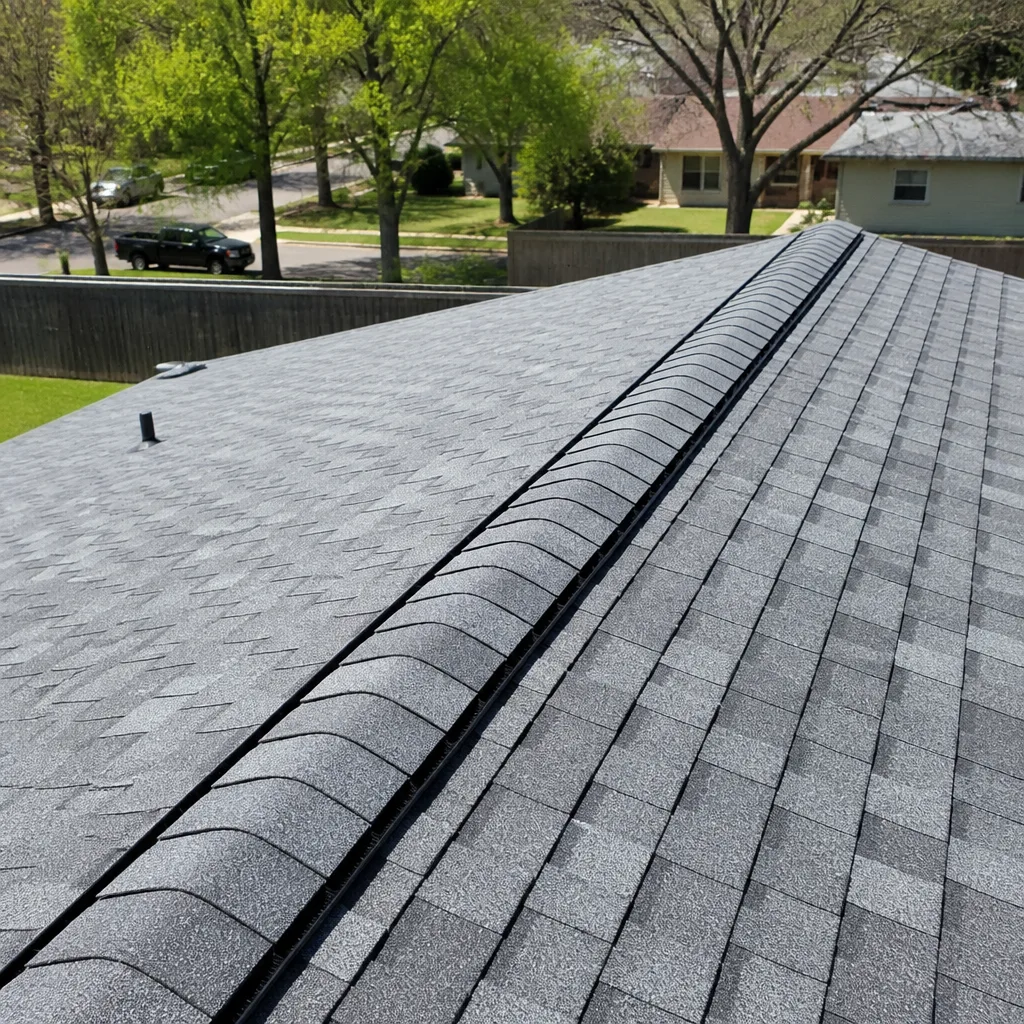
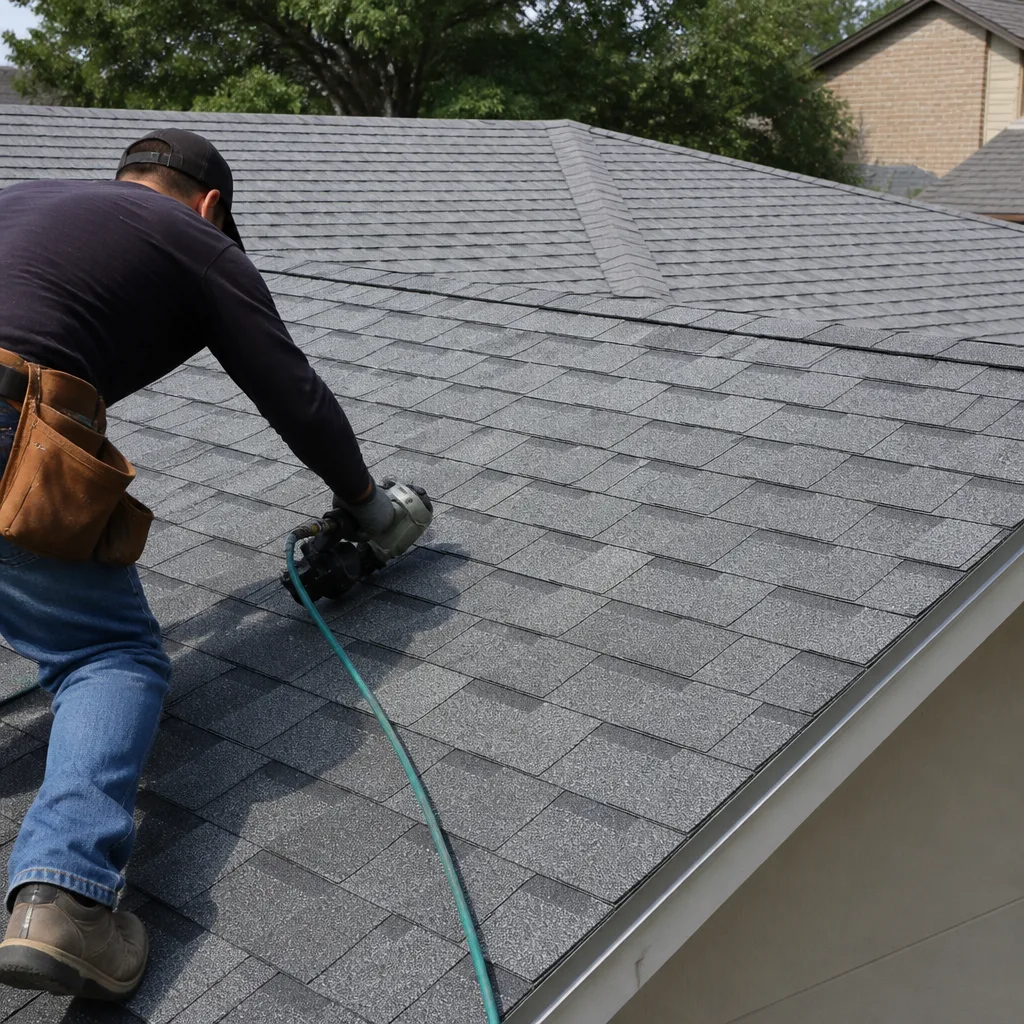
 After
After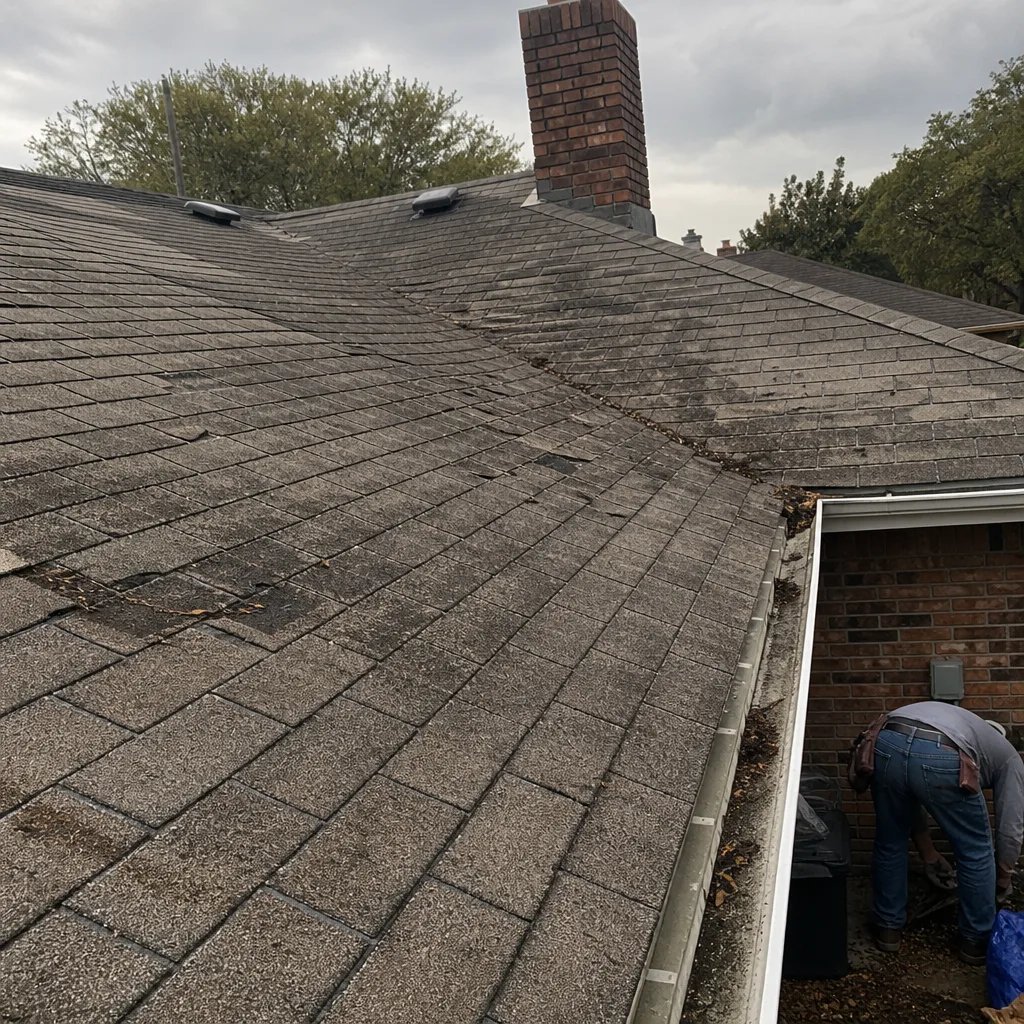 Before
 After
After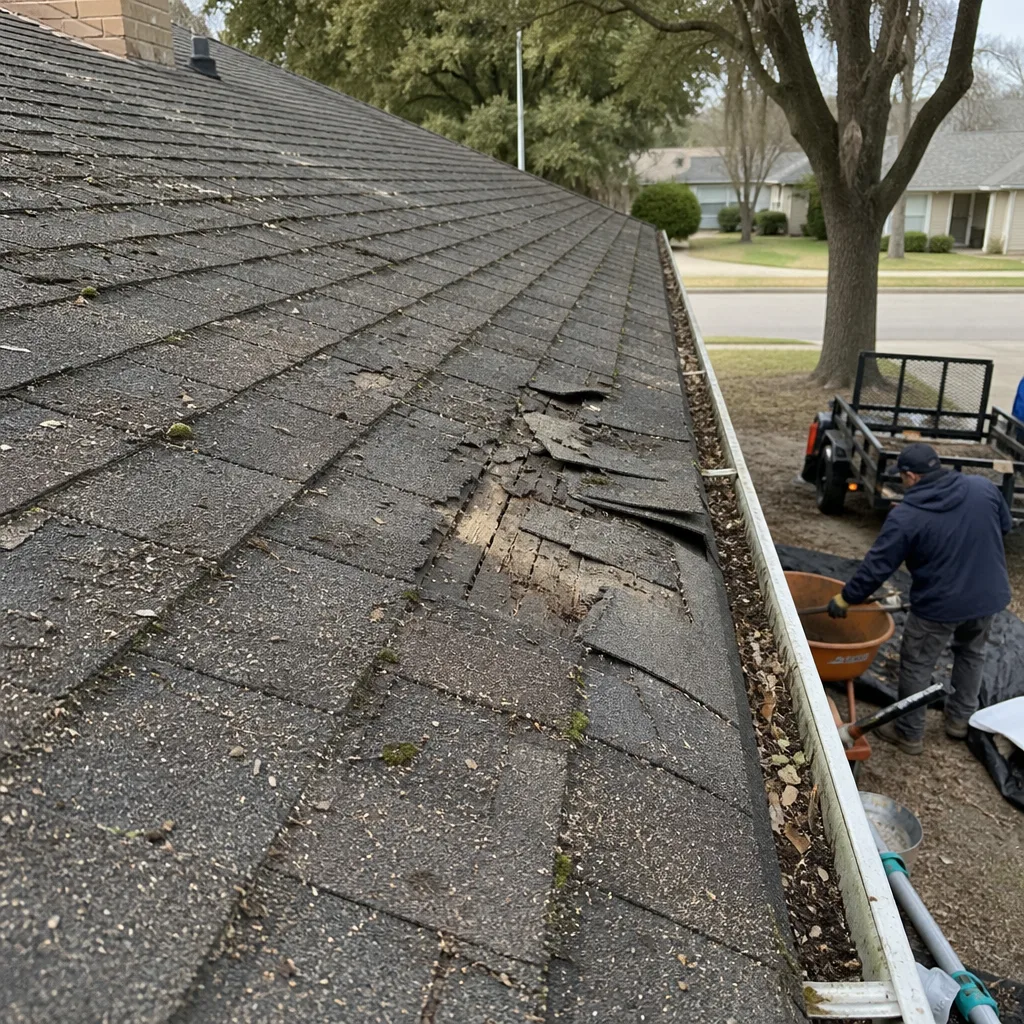 Before
 After
After