
Last updated October 17, 2026
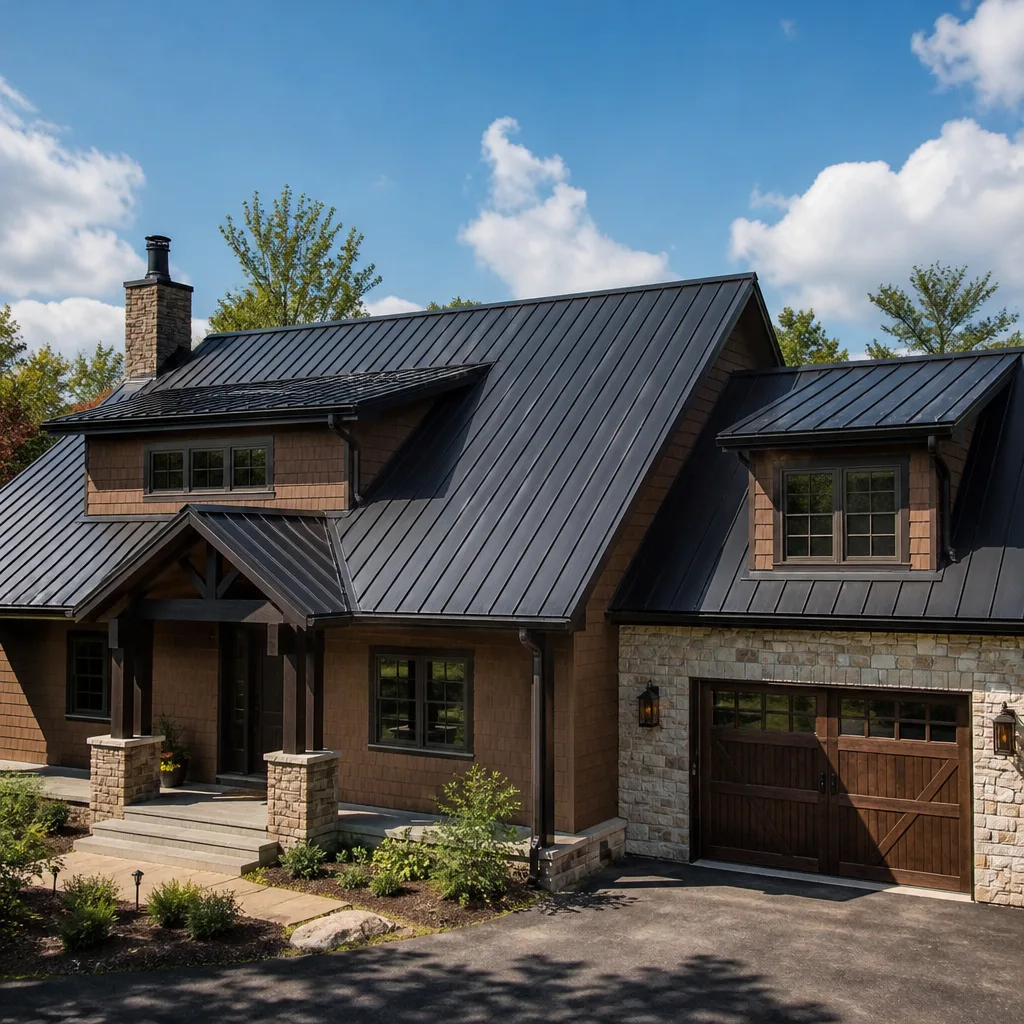 Metal roofing
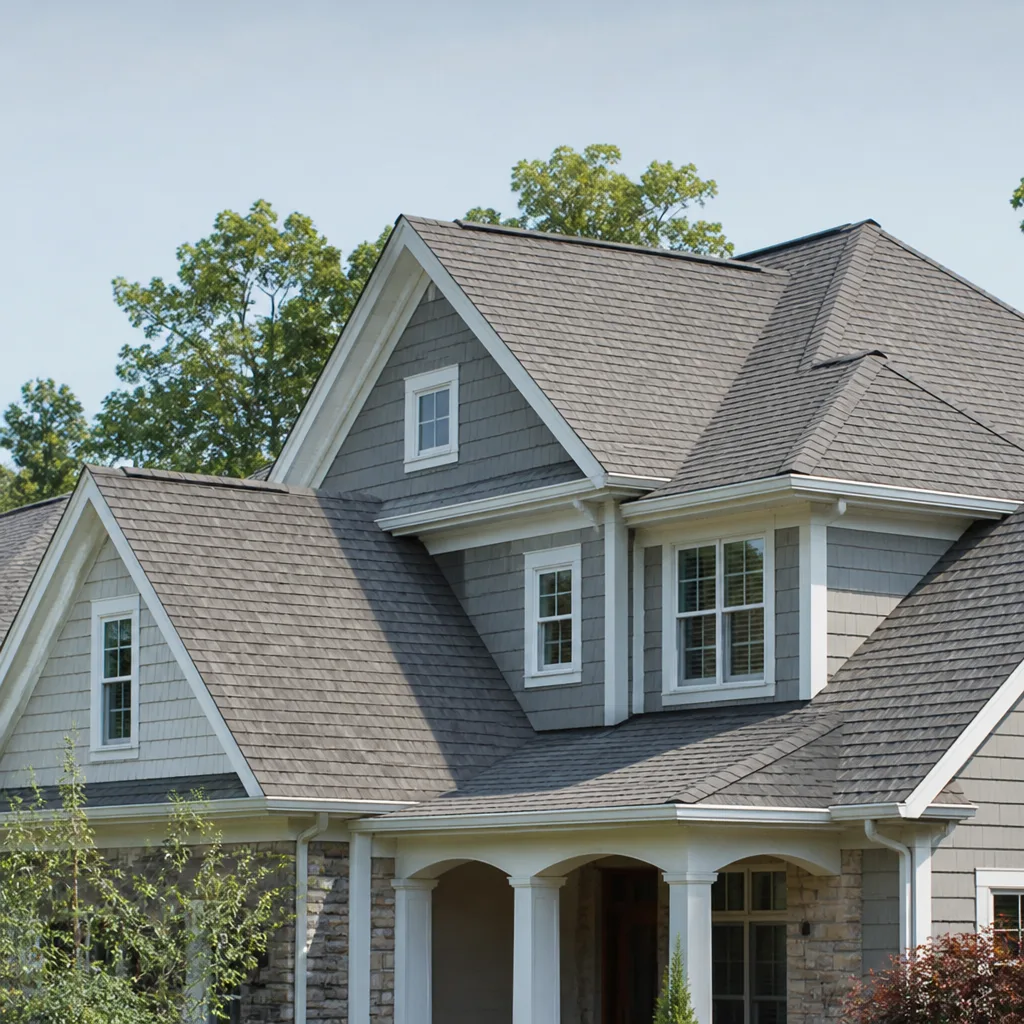 Architectural shingles
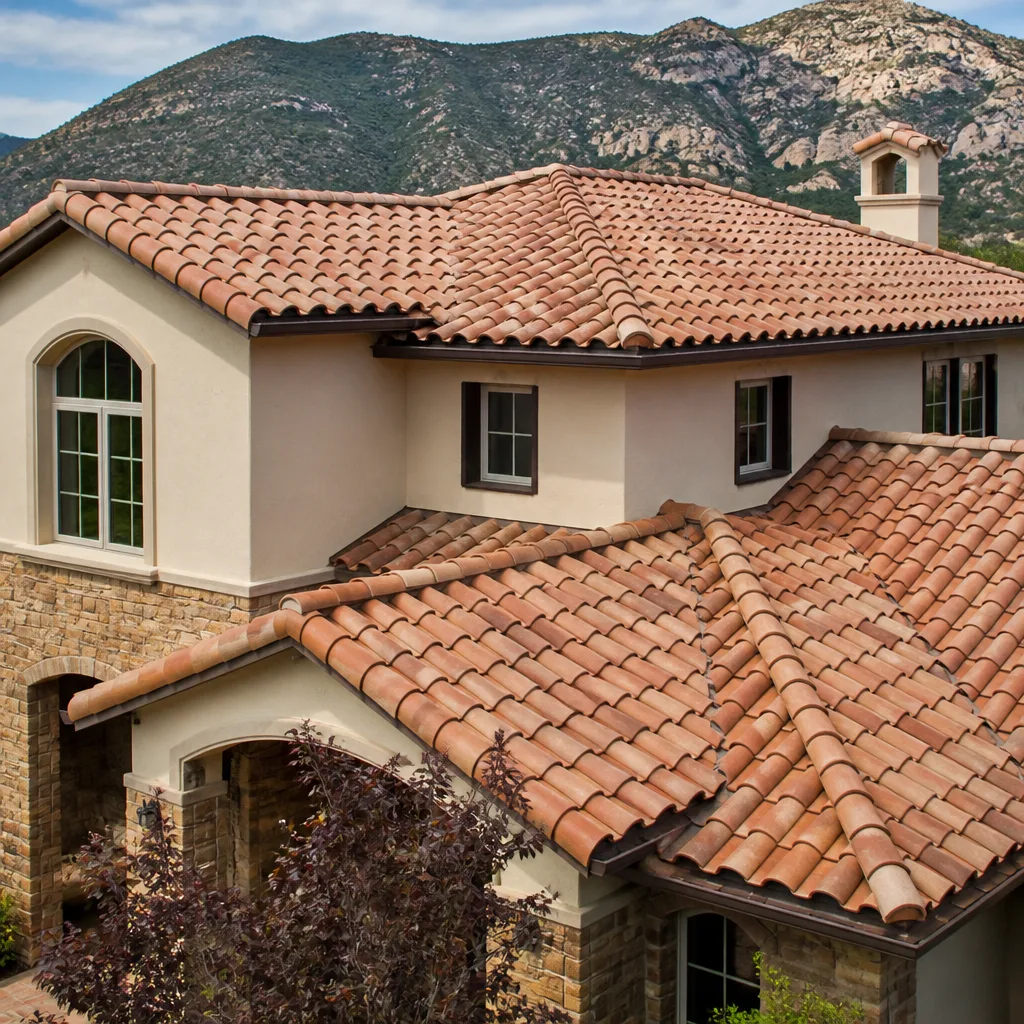 Tile roofing
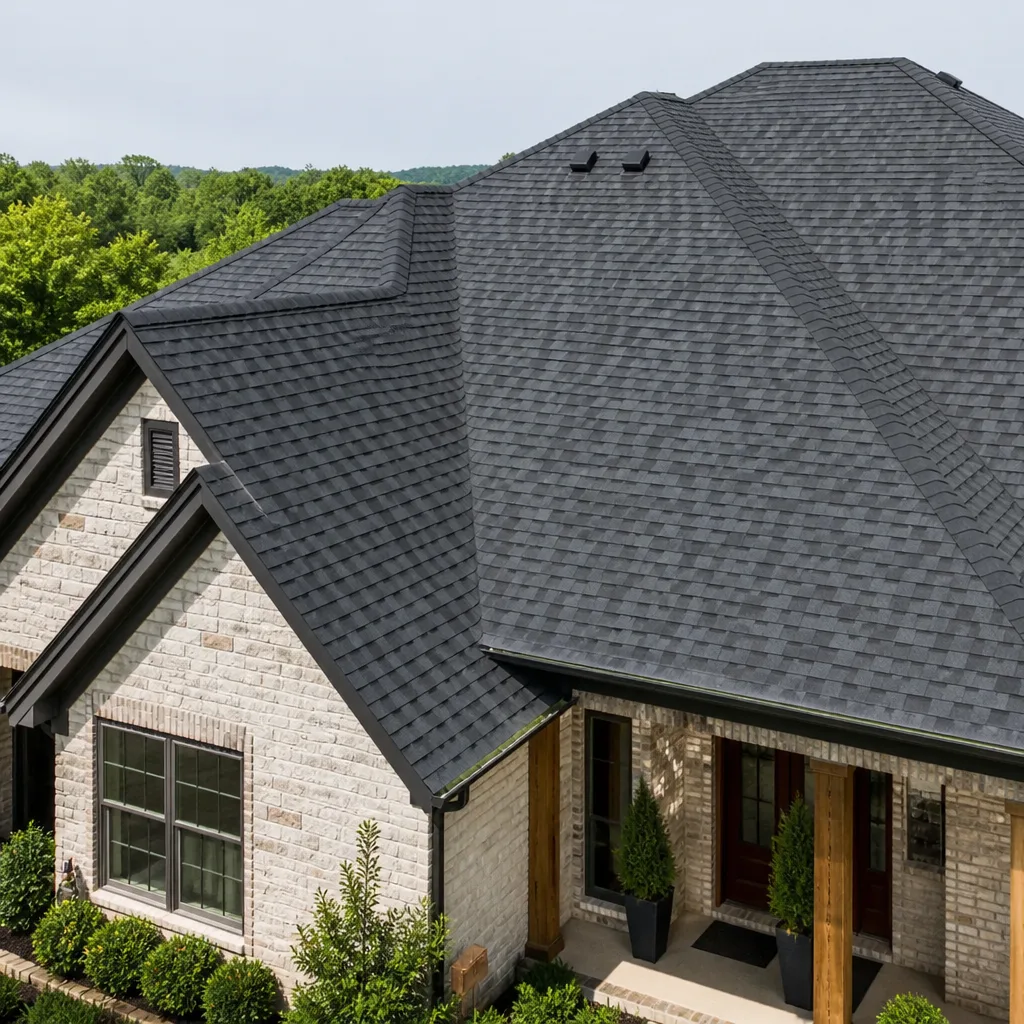 GAF
GAF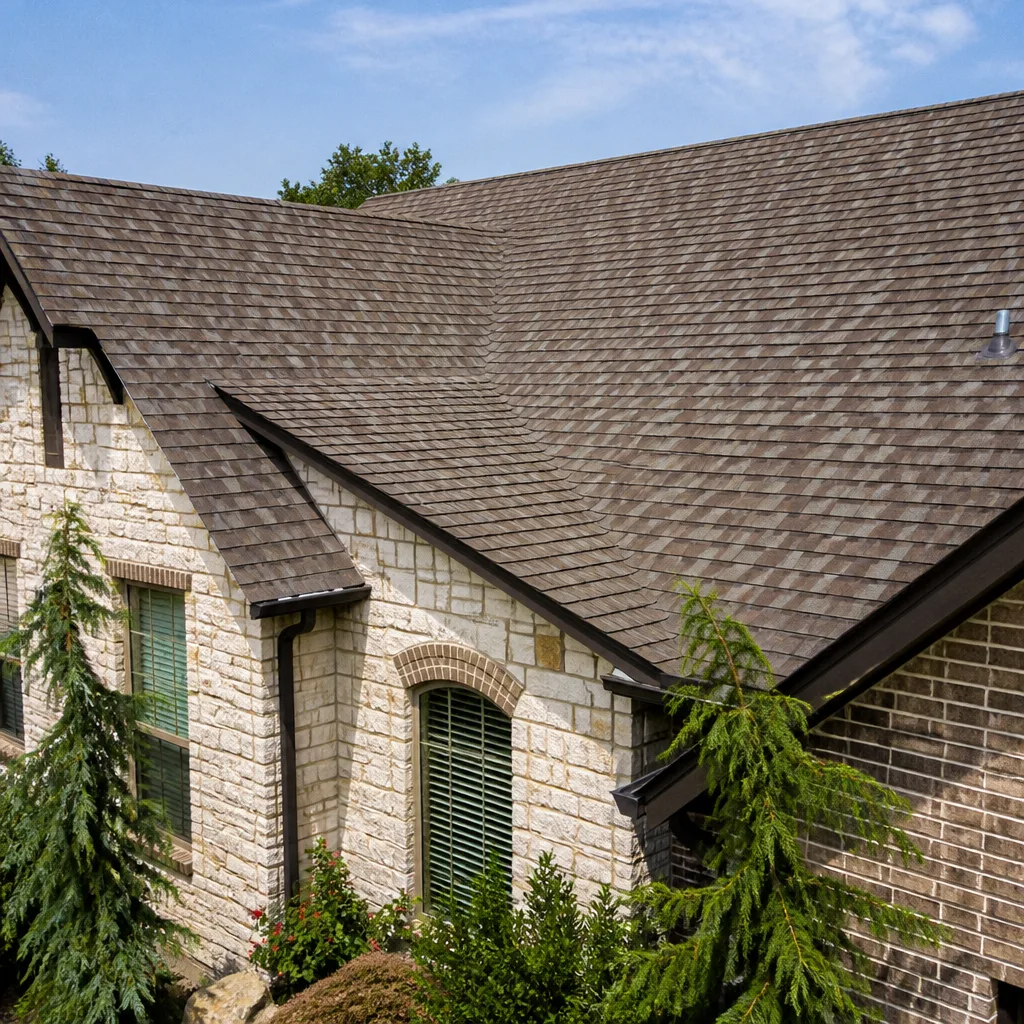 Owens Corning
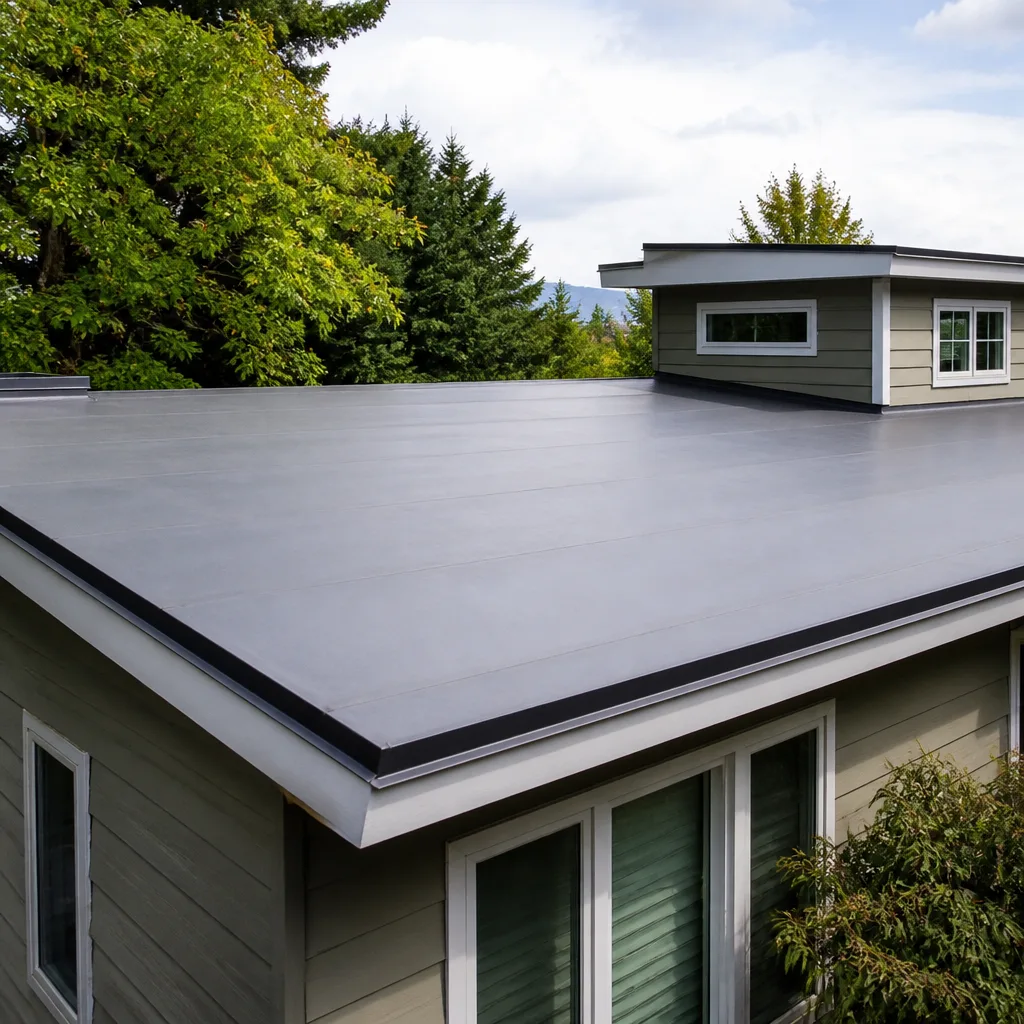 Flat & low-slope
Free roof inspection with deck photos before we talk money - GAF and Owens Corning certified installation
The Complete Guide to Roofing in Fort Worth
Fort Worth sits inside what insurance adjusters call Hail Alley, a stretch of North Texas that absorbs more hail claims per capita than nearly any metro in the country. That single fact changes almost every roofing decision a homeowner here will ever make. In the past decade, the roof over your head in Fort Worth has had to survive hail, straight-line winds, clay-soil foundation shift, and summer attic temperatures that can hit 140 degrees. But here’s what most guides won’t tell you: the expensive mistakes in Fort Worth roofs are rarely about the shingle. They’re about wood decking nobody inspected, a verbal quote that inflated after tear-off, and a contractor who vanished once the check cleared. This guide covers what actually matters when you own, repair, or replace a roof in this city, from hail-impact ratings insurers actually discount to the permit history that can cost or save you thousands.
Styles & brands we work with
Quick Answer
Roofing in Fort Worth is shaped by three forces: hail exposure that makes impact-rated materials worth the upcharge, mixed construction eras that change labor costs on identical square footages, and a contractor market where verbal quotes are still common. A full roof replacement in Fort Worth typically runs $8,500 to $18,000 for a standard single-family home, depending on decking condition and shingle class. The single best move is to get a written line-item price before any work starts, because verbal quotes are where most Fort Worth homeowners get burned. Everything below walks through materials, local code, hail ratings, contractor vetting, and the exact process we use at Crestview Roofing Co Fort Worth, so you can make decisions with the same information the adjuster already has. For DIY vs Professional Roofing: The Fort Worth Homeowner’s Decision Guide, see our dedicated breakdown.
Table of Contents
- How Fort Worth’s Geography Changes Your Roof
- Roofing Materials That Actually Survive Fort Worth Weather
- Hail Ratings and Insurance: The Discount Most Homeowners Miss
- What Roof Replacement and Repair Cost in Fort Worth
- How to Read a Tarrant County Permit History Before You Buy or Replace
- The Relay Visibility Standard: What a Transparent Roofing Project Looks Like
- Common Mistakes to Avoid
- When to Call a Professional
- Frequently Asked Questions
- The Bottom Line
Home base for this guide is Crestview Roofing Co Fort Worth home. If you’re still in research mode, we’ve written separate deep dives on Roof Repair in Fort Worth, Roof Replacement in Fort Worth, and Roof Installation in Fort Worth that break each service down to the studs.
1. How Fort Worth’s Geography Changes Your Roof
Most roofing guides are written like every city is the same: pick a shingle, hire a roofer, done. Fort Worth doesn’t work that way. Hail Alley sits over us like a standing cloud, which means your roof is a depreciating asset with a claim horizon. But the part most guides miss entirely is the dirt underneath the slab.
Fort Worth’s clay-heavy soil expands when wet and contracts when dry. Over a dry summer, the soil can pull away from a foundation enough to shift a slab by a quarter inch or more. That movement telegraphs upward through the frame and into the roof deck. What does that look like on a roof? Rafters that pull slightly apart at the ridge line. Sheathing seams that open up under the shingles. And the failure point we see again and again in older Fort Worth ranch homes: a nail line that pops through the shingle because the deck behind it flexed. Most national guides never mention this because most national writers have never stood in a Fort Worth attic in August looking at a hairline crack working its way across a rafter tail.
Then there’s the split between building eras. Fort Worth is a patchwork of 1970s ranch homes with plank decking and fast-built 2000s subdivisions with OSB (oriented strand board). Those two decking types behave differently under thermal cycling, and that difference shows up in tear-off labor, fastener pull, and even the final invoice. We’ll get to that in the cost section, because it’s not marginal, it’s thousands of dollars on identical square footages.
The third local variable is wind. Fort Worth’s spring storm season delivers straight-line winds that peel shingles off the edges of roofs before hail ever touches down. Code here requires shingles to be nailed to a specific pattern and sealed at the perimeter, but code enforcement only checks the work if a permit is pulled. That’s why the permit history section below matters more than most homeowners expect.
2. Roofing Materials That Actually Survive Fort Worth Weather
We install and repair using materials from GAF, CertainTeed, Owens Corning, IKO, Atlas, Tamko, and Boral. That’s not a brag, it’s a constraint: when you work with multiple manufacturers, you stop being a sales rep for one brand and start matching the material to the house and the claim history. Here’s what actually matters in Fort Worth, by material class.
Asphalt Shingles
The default for roughly 90% of Fort Worth roofs. The choice inside this category is between architectural shingles (layered, dimensional, 30 to 50 year ratings) and three-tab (flat, 15 to 25 year ratings). In Fort Worth, we rarely recommend three-tab anymore. The hail exposure here means a Class 4 impact-rated architectural shingle from Owens Corning or CertainTeed often costs only $400 to $700 more per roof than a Class 3, and it’s the difference between a cosmetic claim denial and a paid replacement after the next big storm. More on that rating system below.
Metal Roofing
Standing-seam metal and stone-coated steel have grown steadily in Fort Worth because they shrug off hail that would shred asphalt. The tradeoff is cost: metal runs roughly 2 to 2.5 times the installed price of architectural shingles. But for a homeowner planning to stay 15 years or more, a Class 4 metal roof can pay for itself through insurance premium reductions and skipped re-roofs. The one caution we give local homeowners: metal amplifies attic heat conduction if the underlayment and ventilation aren’t done right, and Fort Worth’s August attic temps make that a real factor. Boral’s stone-coated steel and certain standing-seam profiles we install carry Class 4 ratings out of the box.
Clay and Concrete Tile
Mostly found in Fort Worth’s Spanish-style and custom builds, not the ranch-home stock. Tile is beautiful and durable, but clay tile under Fort Worth hail can crack in ways that look cosmetic and then leak months later. If you own a tile roof in this city, an annual post-storm inspection is worth the fee. Repair costs on tile run higher than asphalt because matching aged tile is difficult.
Flat and Low-Slope Roofing
Fort Worth has enough mid-century flat-roof builds and commercial-to-residential conversions that low-slope roofing deserves a mention. TPO, EPDM, and torch-down modified bitumen are the standard systems. The local failure point is ponding water after heavy spring rain, and the fix is usually drainage, not membrane. If a roofer quotes you a membrane replacement without addressing standing water, get a second opinion.
3. Hail Ratings and Insurance: The Discount Most Homeowners Miss
Impact resistance is rated by the UL 2218 standard. A steel ball is dropped onto the material from a set height, and the material is graded from Class 1 (least resistant) to Class 4 (most resistant). Here’s the part most Fort Worth homeowners never hear: Class 4 materials are not just a better roof, they’re a documented line-item discount on many Texas homeowners policies. Insurers operating in Hail Alley have been quietly applying premium credits for Class 4 roofs for years, and the discount can reach 10% to 30% of the wind-and-hail portion of your premium, depending on your carrier and exact age of roof.
But there’s a catch we make every Fort Worth homeowner aware of before they spend anything: not every carrier gives the discount, and some require a specific UL 2218 certificate from the install. Ask your agent one sentence: “What premium credit do you apply for a Class 4 impact-rated roof, and what documentation do you need?” If the agent doesn’t know, call another carrier. This one phone call has saved Fort Worth homeowners more money than any other roofing decision we see.
Quick reference for the materials we carry:
- Class 3: Standard architectural shingles from most lines. Better than three-tab, but still shows visible hail damage after a serious storm.
- Class 4: Impact-rated architectural shingles (CertainTeed’s Impact line, GAF’s ArmorShield line, Owens Corning’s Duration Storm Class 4), most standing-seam metal, stone-coated steel from Boral. The rating your Fort Worth insurer most likely rewards.
- Below Class 3: Three-tab and basic shingles. We don’t recommend these for Fort Worth, period. The hail math doesn’t work.
One more local note: Fort Worth is in Tarrant County, and some of the outlying areas straddle county line codes that affect wind-uplift requirements. Your roofer should know which code applies to your specific address. If they can’t answer, that’s an answer.
4. What Roof Replacement and Repair Cost in Fort Worth
Let’s get real numbers on the page, because verbal ballparks are exactly how Fort Worth homeowners get burned. These are ranges for standard single-family homes in this market as of 2025, assuming no catastrophic structural work. Your specific number depends on roof complexity, pitch, decking condition, and material class.
Full Roof Replacement
- Standard architectural shingle replacement (1,500 to 2,200 sq ft roof area): $8,500 to $12,500
- Class 4 impact-rated architectural shingles: $9,000 to $13,500
- Standing-seam metal: $18,000 to $28,000
- Stone-coated steel (Boral or equivalent): $16,000 to $24,000
- Full decking replacement (if existing decking is deteriorated): add $2,500 to $5,000 depending on square footage and whether you have plank or OSB
Common Repairs in Fort Worth
- Hail-damaged ridge cap replacement: $350 to $700
- Missing shingle repair (1 to 10 shingles): $250 to $600
- Flashing repair (chimney, vent, or valley): $300 to $800 per flashing point
- Small leak repair with patching and sealing: $400 to $900
- Gutter and downspout replacement (standard ranch home): $1,200 to $2,500
Here’s the decking detail we mentioned earlier, because it’s a real cost divergence in Fort Worth. A 1970s ranch home with original 1×6 plank decking often has gaps between planks that have widened over decades of thermal cycling. That decking can usually be repaired selectively. But a fast-built 2000s subdivision home with OSB decking that’s absorbed moisture over 20 years can require full-sheet replacement, and that’s a material and labor difference that can hit 20% on an identical roof footprint. This is why a competent Fort Worth roofer always inspects the attic and decking before giving a final number, not after tear-off.
At Crestview Roofing Co Fort Worth, every quote is delivered as a written line-item price before any work starts. The number on the page is the number on the invoice. That’s the standard every Fort Worth roofer should be held to, and it’s the standard this city’s homeowners have learned to demand after too many verbal-quote add-ons.
Our full pricing breakdown lives on the Roof Replacement in Fort Worth page if you want more granular numbers.
5. How to Read a Tarrant County Permit History Before You Buy or Replace
Before you buy a home in Fort Worth or sign a replacement contract, pull the permit history. Tarrant County maintains permit records that tell you exactly what work has been done on the property, when, and whether it passed inspection. This is public information, and it’s the closest thing to a roof’s medical record. Here’s the step-by-step way we walk every client through it.
- Locate the property’s address and block information. Tarrant County Appraisal District (TAD) is the starting point for property records. You can search online by street address.
- Cross-reference with the City of Fort Worth development services permit database. The city tracks roofing, foundation, electrical, and plumbing permits separately from the appraisal district. Look specifically for any “roof” or “re-roof” permits.
- Check the inspection status. A permit without a final inspection is a red flag. It means the work may have been done but never verified. For roofing, that’s a potential leak liability the seller may not even know about.
- Note the year of the last roof permit. In Fort Worth, a 20-year-old asphalt roof is at the end of its service life, and some insurers will refuse to write a new policy on a roof past 20 years regardless of visual condition. If the last roof permit is from 2003, you’re inheriting an insurance problem.
- If there’s no roofing permit at all: That’s not automatically a problem on an older home that predates digital records. But it means you need a physical inspection before purchase, and in Fort Worth’s hail belt, you want that inspection done by someone who knows what hail and clay-soil movement do to a roof deck, not just a visual shingle checker.
We’ve seen plenty of Fort Worth homebuyers negotiate thousands off a purchase price after discovering an unpermitted or expired roof. This guide’s purpose is to save you from the version of that story where you’re on the wrong end.
6. The Relay Visibility Standard: What a Transparent Roofing Project Looks Like
Fort Worth’s roofing market has a transparency problem. The norm is still a verbal quote, a four-hour arrival window, and final documentation that consists of a hand-scrawled invoice. We built our entire company against that norm. Here’s what the Relay Visibility Guarantee looks like applied to a full Fort Worth roofing project, so you know what standard to demand from any contractor you call.
- Written price before any work starts. Not an estimate range. Not a ballpark. A written line-item price, delivered before the first shingle comes off. If a roofer won’t put it in writing, walk away.
- Live trackable arrival time. You get a real arrival time you can track, like a rideshare. No “sometime between 9 and 1.” The technician’s name, photo, and live location are visible before they pull into your driveway.
- Before-and-after photo documentation. Every project gets photographed from the roof surface before work begins and after it’s done. You see what we saw. That’s the standard.
- Digital invoice sent by text. When the job is complete, the invoice goes to your phone. You have a record, right there, with the same number that was on the written quote.
- 365-Day Done Right Promise. Every repair we make in Fort Worth is covered for a full year, in writing, included with every job. If the repair fails within 365 days, we correct it at no charge. That includes a free second visit, no negotiation.
That’s the benchmark we hold ourselves to, and it’s the benchmark we believe every Fort Worth homeowner should hold every roofer to. Dylan Pace built Crestview Roofing Co Fort Worth on this standard in 2000, and it’s why we put it in writing rather than asking you to trust a handshake.
Common Mistakes to Avoid
- Accepting a verbal quote. In Fort Worth, verbal quotes are the number one way homeowners end up paying more than they agreed to. Demand a written line-item price before work begins, every time, no exceptions.
- Skipping the attic inspection. A roofer who never goes into the attic or checks the decking from underneath is guessing. In older Fort Worth ranch homes with plank decking gap issues, that guess can become a $3,000 surprise.
- Choosing three-tab shingles to save money. The hail math in Hail Alley doesn’t work. Three-tab saves $800 today and costs a full replacement after the next serious storm, which in Fort Worth is measured in years, not decades.
- Not asking your insurer about Class 4 discounts. We covered this in the hail ratings section. It’s the single easiest money-saving move in this entire guide, and almost nobody does it.
- Ignoring the permit history. A roof with no permit history is a hidden liability, whether you’re buying or already own. Pull the records before you sign anything.
- Paying in full before work is done. A deposit may be reasonable on a large replacement, but full payment before the job is complete and photographed is a red flag in Fort Worth’s contractor market.
- Hiring a roofer with no local address. Storm chasers appear in Fort Worth after every hail event. If the contractor’s “office” is a rented mailbox and a 1-800 number, you’re taking a risk with a five-figure asset.
When to Call a Professional
Some roofing tasks are DIY-safe: cleaning gutters, checking for obvious granule loss, photographing hail dents after a storm. But any of these scenarios in Fort Worth warrants a professional inspection or repair, not a ladder and a caulk gun. You notice water staining on a ceiling after a Texas thunderstorm. Hail has visibly dented shingles or cracked tiles. Your roof is more than 15 years old and hasn’t been inspected in three years. The flashing around a chimney or vent shows rust or separation. You’re buying or selling a home and the permit history shows no roofing permit in 20 years. And the one most people learn the hard way: you received an insurance claim denial or lowball payout after a hail event. A detailed contractor assessment is often the difference between a denied claim and a paid one. Crestview Roofing Co Fort Worth offers free estimates in Fort Worth. Call (682) 730-3548 and we’ll give you a written price, with no obligation.
Frequently Asked Questions
A full roof replacement in Fort Worth typically runs $8,500 to $18,000 for a standard single-family home, depending on decking condition and shingle class. Class 4 impact-rated materials run slightly higher upfront but often qualify for insurance premium discounts. Get a written line-item price before any work starts – call (682) 730-3548 for a free Fort Worth estimate.
Class 4 impact-rated architectural shingles are the best value in Fort Worth because they balance hail resistance, cost, and insurance discounts. Standing-seam metal and stone-coated steel offer the highest hail resistance but cost roughly double. Three-tab shingles are not recommended for Fort Worth’s hail exposure.
An architectural asphalt shingle roof in Fort Worth typically lasts 15 to 20 years due to hail, wind, and extreme heat cycling, even when the manufacturer rates the shingle for 30 years. Metal roofs last 40 to 50 years. Regular post-storm inspections can extend service life by catching small damage before it becomes a leak. Our Roof Repair Maintenance Checklist for Fort Worth Homeowners has the full routine.
Yes, roof replacements in Fort Worth require a permit through the City of Fort Worth development services. A roofing contractor should handle the permit and final inspection as part of the job. If a roofer suggests skipping the permit to save money, that’s a red flag that can cost you on insurance claims later.
Most Texas homeowners policies cover hail damage, but coverage depends on your deductible, the age of your roof, and whether your policy includes actual cash value or replacement cost coverage. Fort Worth roofs older than 15 years are often depreciated on a claim. A detailed contractor assessment before you file can strengthen your claim.
Ask whether they’re licensed and insured, check that they carry liability insurance and workers’ comp coverage, and demand a written line-item price before any work starts. Our How to Hire a Roofing Contractor in Fort Worth: A Step-by-Step Guide covers exactly what to verify. In Fort Worth, also confirm they’re local with a real address, because storm chasers appear after every hail event. A roof inspection, written quote, and clear guarantee in writing are the baseline qualifications.
The Bottom Line
Fort Worth roofing decisions are local decisions, and the local facts are these: Hail Alley exposure makes impact ratings a real financial variable, not a sales pitch. Clay-soil foundation movement stresses roof decks in ways national guides never cover. The split between plank-decked ranch homes and OSB-decked 2000s builds creates real cost differences on identical square footages. And the contractor market still leans on verbal quotes, which means the single most protective thing you can do is demand a written line-item price before any work begins. That’s the standard Crestview Roofing Co Fort Worth has operated under since 2000, and it’s the standard we’d tell you to demand from any roofer in this city, including us. Browse more guides & resources for deeper dives on every topic above.
Written by Dylan Pace, Owner at Crestview Roofing Co Fort Worth, serving Fort Worth since 2000.
See the difference
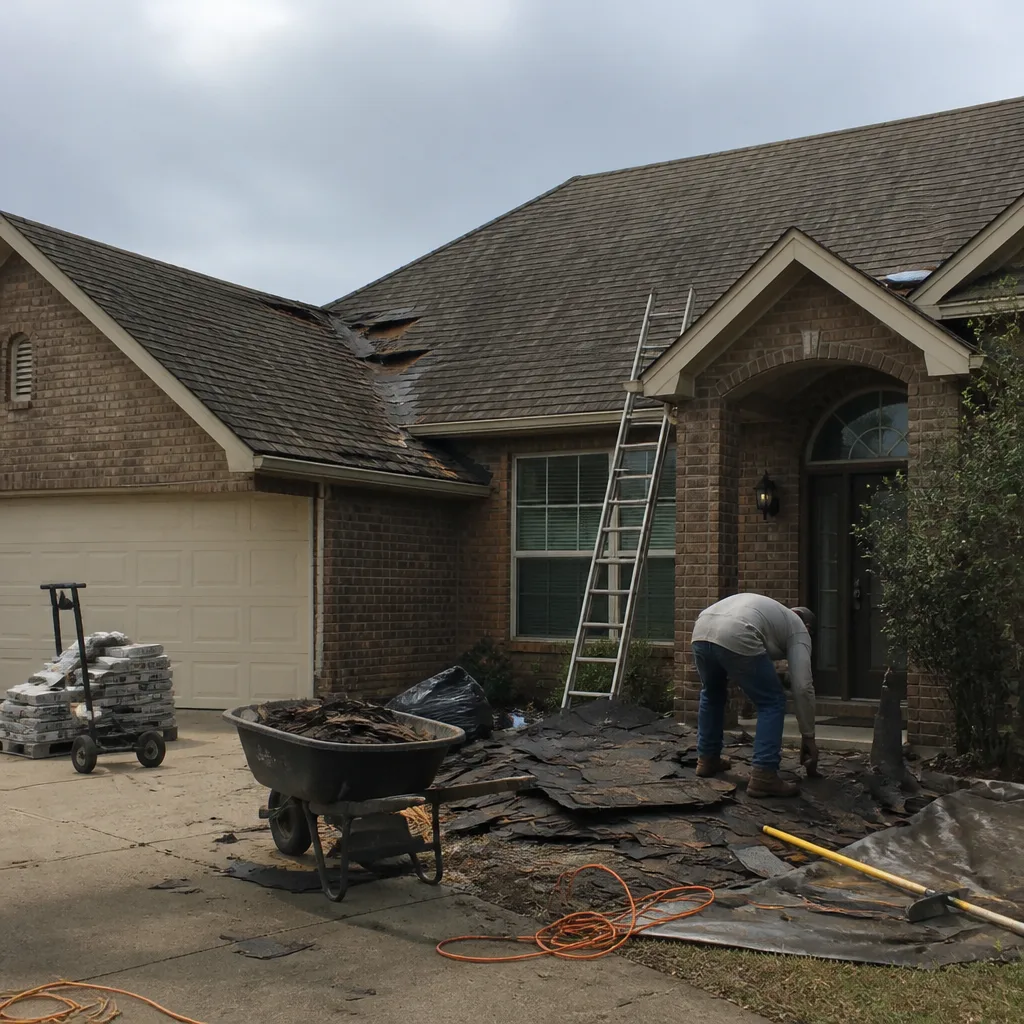 Before
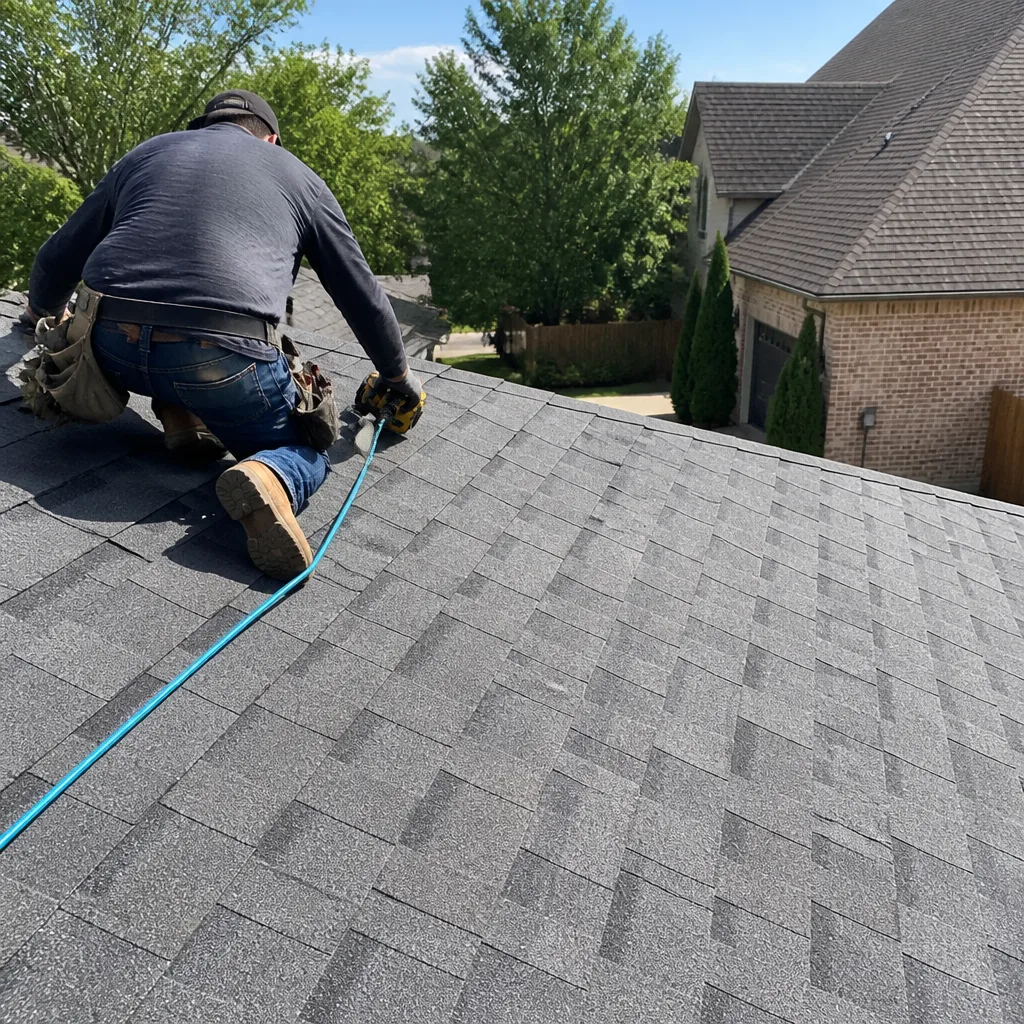 After
After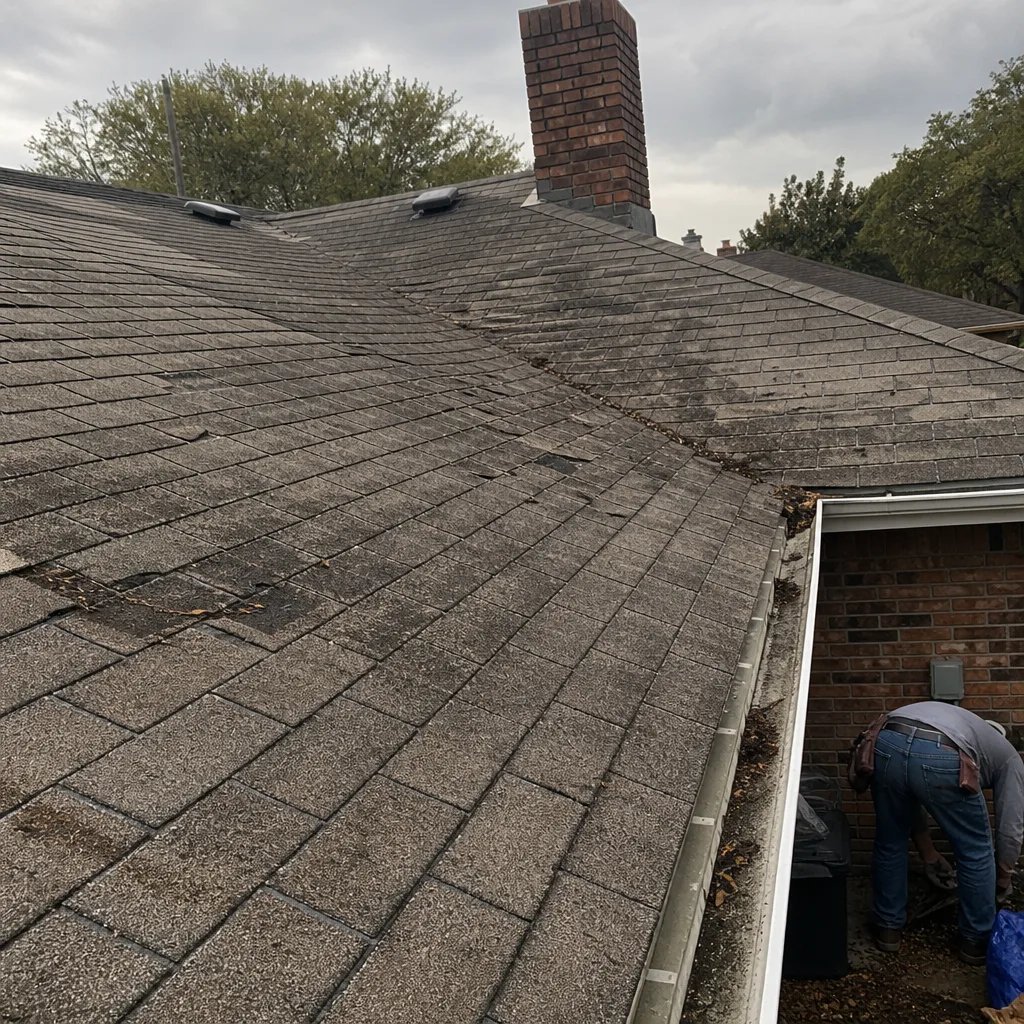 Before
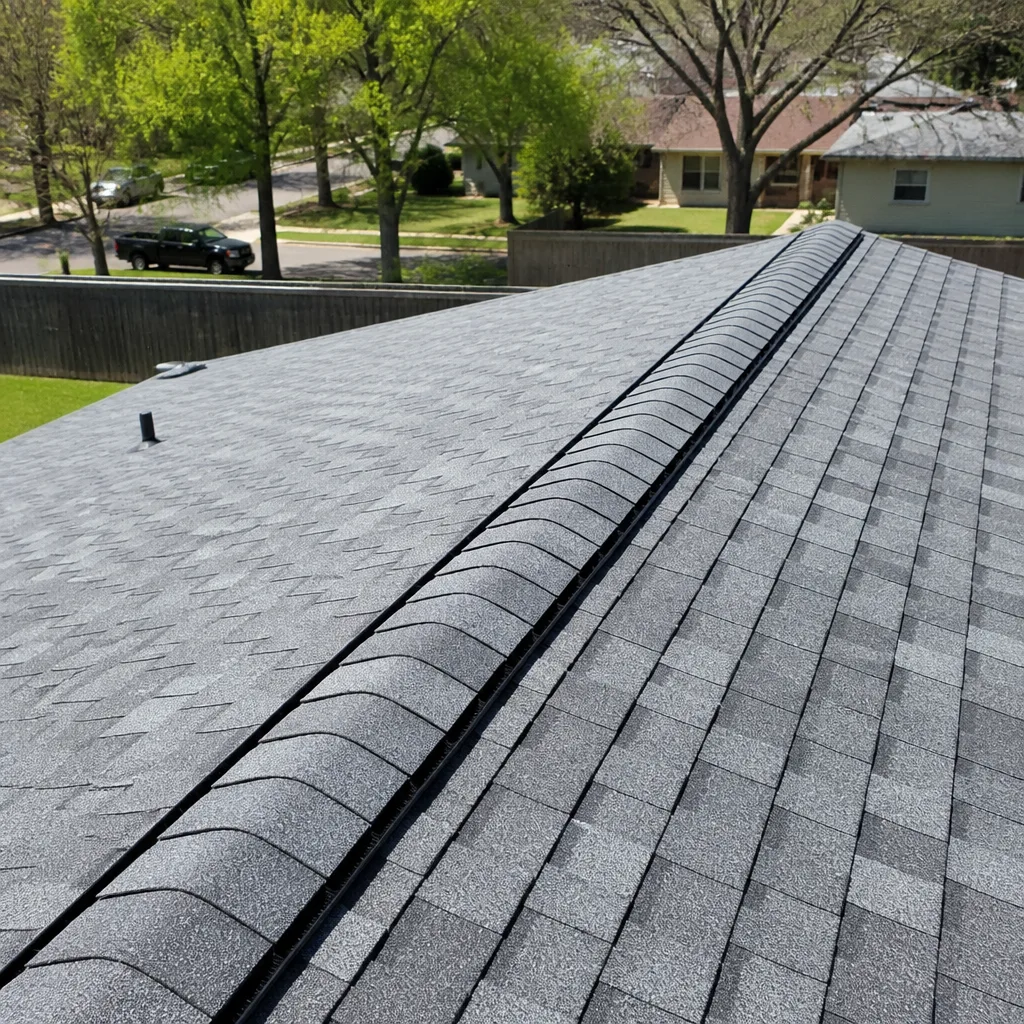 After
After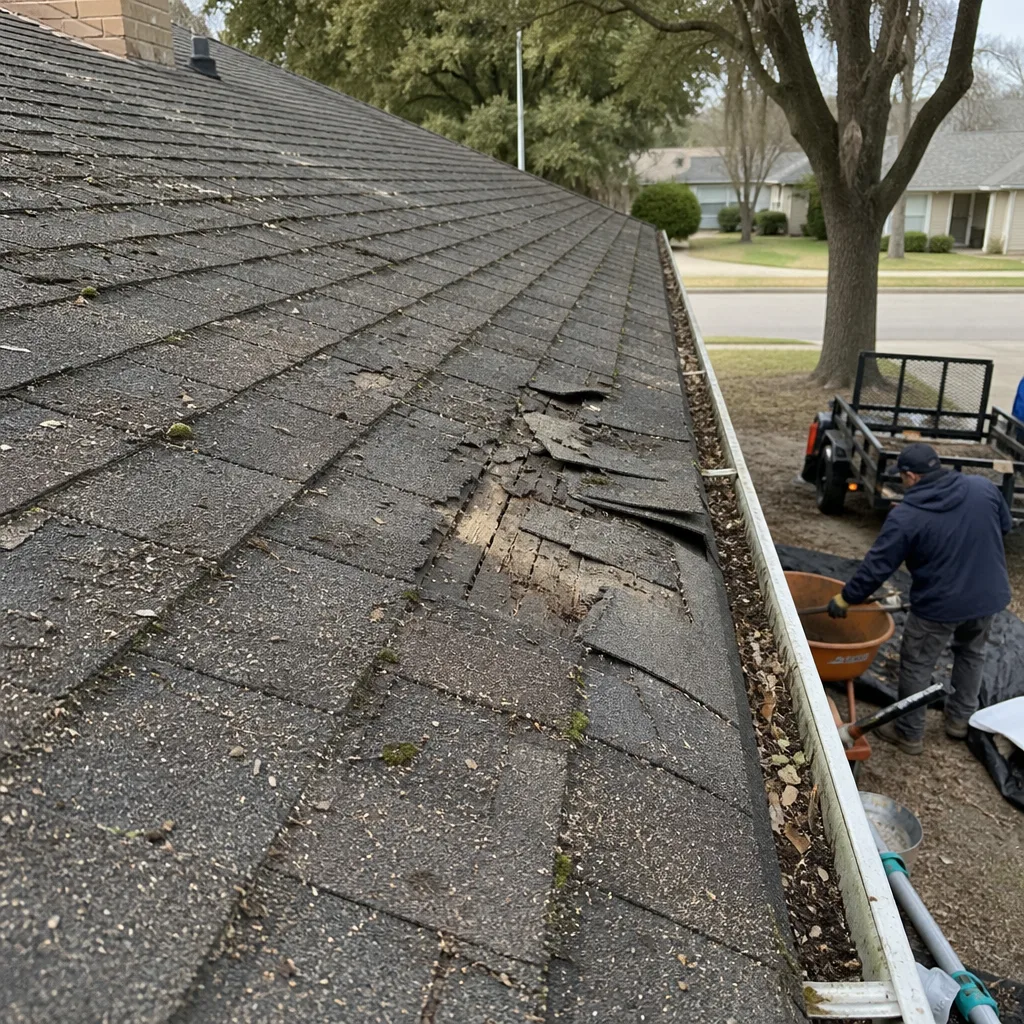 Before
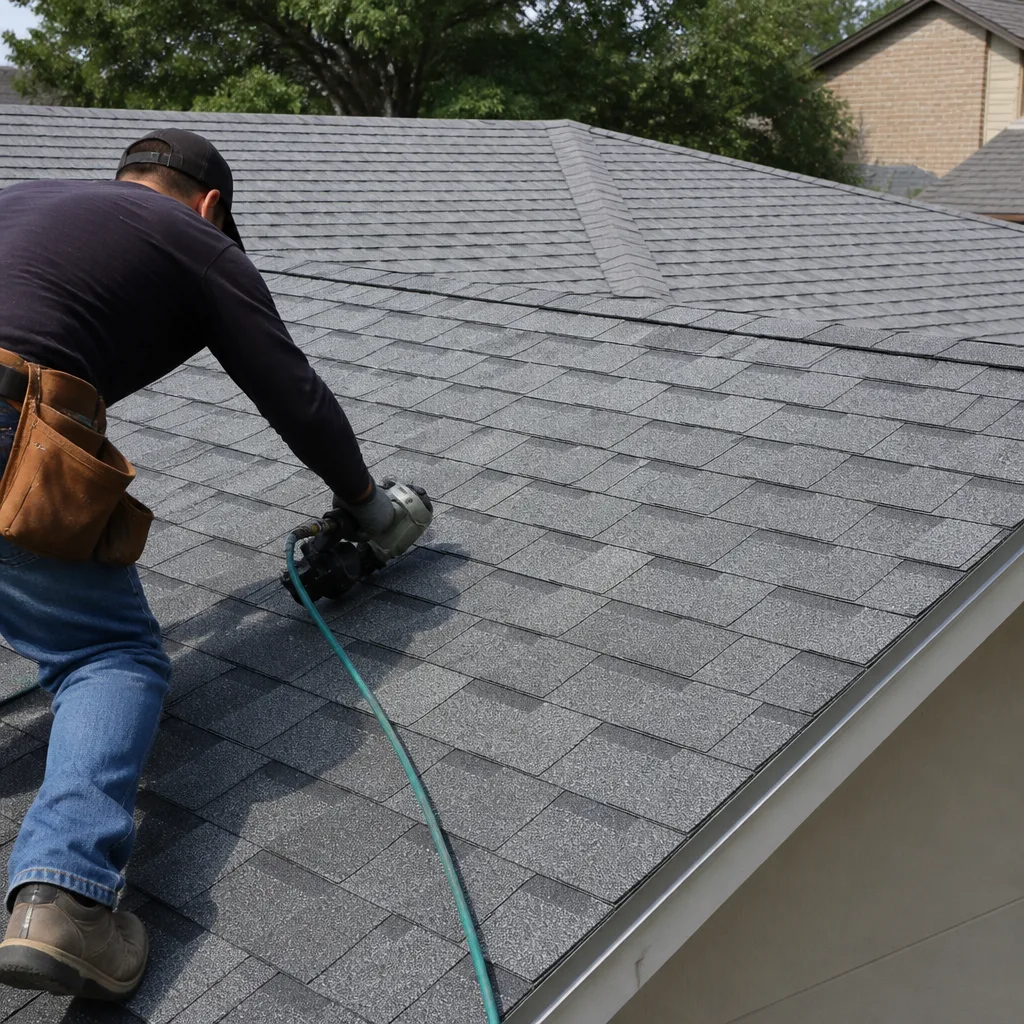 After
After